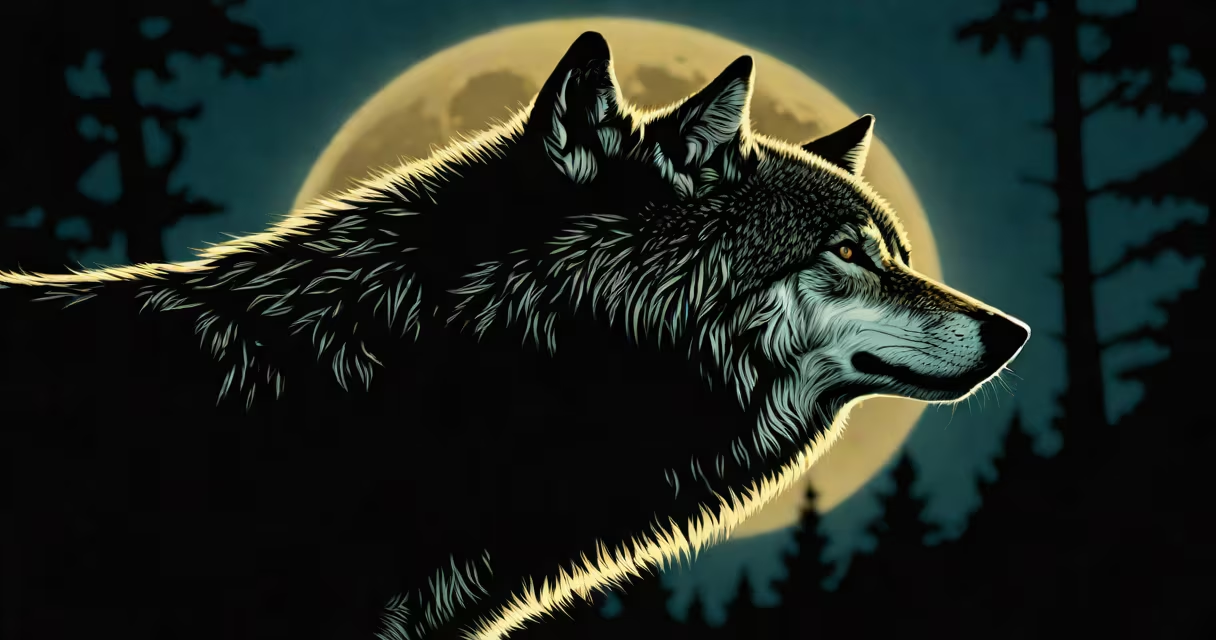
A good spirit animal is a symbolic representation of personal traits, life challenges, or inner wisdom drawn from nature, often perceived through dreams, intuition, or repeated encounters. It serves as a spiritual guide rooted in cultural traditions and individual experience.
Unlike literal animals, a spirit animal isn't a physical being but a metaphorical ally tied to psychological and ancestral patterns. It reflects aspects of identity-courage, resilience, adaptability-that resonate deeply during times of change or decision-making.
According to the National Center for Complementary and Integrative Health (NCCIH), spiritual practices involving animal symbolism are common across Indigenous cultures and have been studied for their role in mental well-being. These traditions emphasize connection to nature as a path to self-understanding.
Spirit animals emerge from a blend of observation, dream imagery, and emotional resonance. They aren't assigned by external authority but revealed through personal experience. A person may feel drawn to a particular animal after seeing it repeatedly in dreams, media, or real life-especially during periods of transition.
The idea stems from animistic worldviews found in Native American, Celtic, and African spiritual systems. In these frameworks, animals embody specific energies. For example, the bear symbolizes introspection and strength; the eagle represents vision and freedom. These associations are not arbitrary-they stem from centuries of ecological observation and storytelling.
Modern psychology acknowledges this phenomenon under the concept of archetypes. Carl Jung described animals as symbols of unconscious forces within the mind. When someone identifies with a lion's boldness or a turtle's patience, they're accessing universal human experiences encoded in myth and memory.
While no single list defines all valid spirit animals, certain species appear frequently due to their symbolic weight and widespread recognition.
| Animal | Common Symbolism | Typical Traits Reflected |
|---|---|---|
| Wolf | Intuition, loyalty, pack unity | Trust in instincts, strong social bonds |
| Eagle | Perspective, clarity, independence | Seeing the big picture, rising above conflict |
| Turtle | Patience, endurance, protection | Steady progress, emotional grounding |
| Owl | Wisdom, mystery, insight | Understanding hidden truths, quiet reflection |
| Deer | Grace, sensitivity, gentleness | Emotional awareness, kindness under pressure |
Not all spirit animals are majestic or useful. A hummingbird, for instance, may signal joy, agility, and the ability to live in the moment-qualities that counterbalance stress and burnout. The value lies not in the animal's size or reputation, but in its relevance to the individual's current state.
One non-obvious point: many people assume their spirit animal must be rare or exotic. This is incorrect. A common squirrel or sparrow can serve as a profound guide. The key is consistency of presence-not rarity. A study published in *Journal of Humanistic Psychology* found that participants who connected with familiar local wildlife reported stronger emotional alignment than those drawn to distant or mythical creatures.
People turn to spirit animals during life shifts-career changes, grief, relationship breakdowns, or personal growth phases. The animal becomes a touchstone for going through uncertainty. For example, someone facing a career move might feel drawn to the hawk, which symbolizes strategic thinking and focus.
Some individuals use spirit animals in meditation or journaling. Writing about a daily encounter with a raven, for instance, can reveal subconscious fears or creative impulses. The act of naming the animal and reflecting on its behavior turns abstract feelings into tangible insights.
There's no formal test or quiz to determine a spirit animal. It's not a personality type or a horoscope. Instead, it's a process of noticing patterns-what appears when you're most vulnerable, curious, or open. If you see a fox three times in one week while deciding whether to move cities, that repetition is meaningful.
Many misunderstand spirit animals as mystical possessions or magical powers. They are not. You don't "summon" a spirit animal or command it to protect you. It doesn't grant invincibility or supernatural abilities. Its power lies in reflection, not intervention.
Another misconception: that only certain animals qualify. A snake, for example, is often mislabeled as negative due to Western fear narratives. But in many Indigenous traditions, the snake represents transformation, healing, and renewal. Its shedding skin mirrors personal rebirth. A person going through therapy might find the snake a fitting symbol of change.
Some confuse spirit animals with totems in religious contexts. Totems are sacred objects or symbols representing clans or families. A spirit animal is personal, not inherited. Your spirit animal isn't your tribe's totem-it's your own inner compass.
In 2021, a woman named Maria was struggling with anxiety after losing her job. She began waking up with images of a red fox in her dreams-quick, alert, moving through snow-covered woods. She didn't know much about foxes, so she researched them. She learned that foxes are known for cleverness, adaptability, and surviving in harsh conditions.
She started journaling about the fox: "What does it do when danger approaches? It doesn't fight-it redirects." That insight helped her reframe her job search not as a battle, but as a series of small adjustments. She applied for roles that matched her skills, even if they weren't perfect. Within two months, she landed a position in environmental policy-a field she'd never considered before.
"The fox wasn't telling me what to do," she later said. "It showed me how to think differently." Her experience illustrates how a spirit animal functions: not as a solution, but as a lens.
When you're unsure, try this: spend ten minutes each morning walking slowly outdoors. Notice any animal that appears-whether seen, heard, or imagined. Record it. After a week, look for patterns. If a crow shows up three times, ask: What does it mean to me? Does it relate to communication, warning, or intelligence?
A good spirit animal isn't chosen-it reveals itself. It's not a label, but a mirror. And when you recognize it, you're not just identifying an animal-you're recognizing a part of yourself.
If you've felt drawn to a creature that keeps appearing in your thoughts or surroundings, consider it a sign. Not a command. Not a prophecy. Just a quiet invitation to pay attention-to see what your soul has already been trying to tell you.