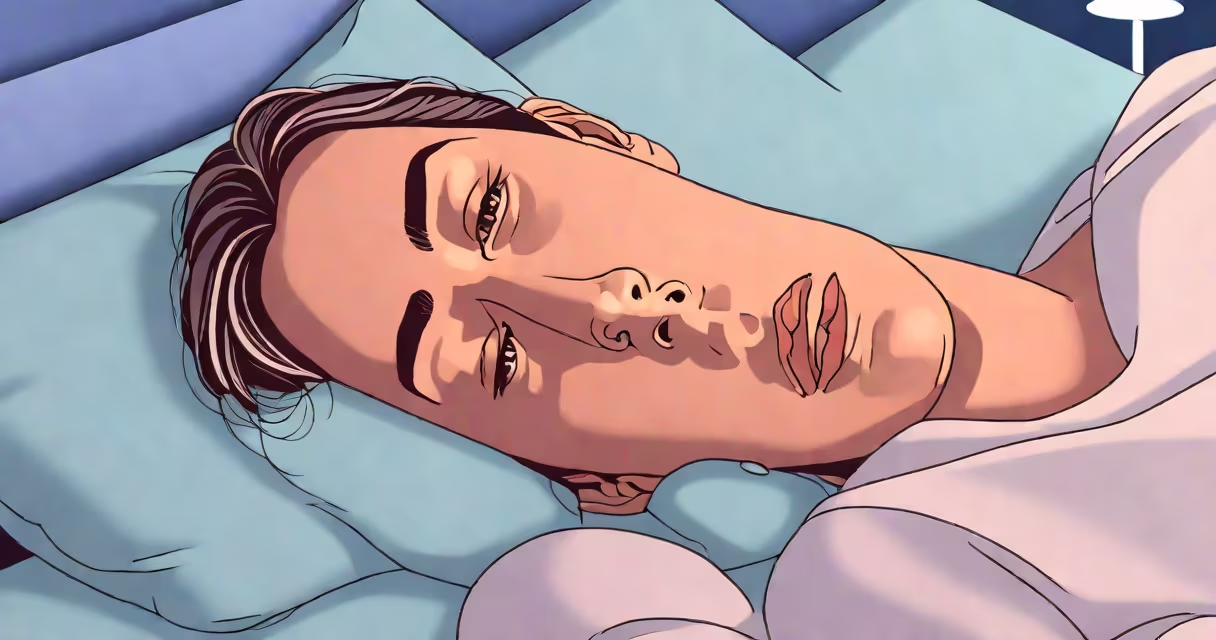
Nighttime congestion worsens because gravity increases blood flow to the nasal passages, circadian rhythms reduce nasal clearance, and mucus production rises during sleep. This combination leads to blocked airways, difficulty breathing, and disrupted rest.
When you lie down, gravity pulls blood into the upper body, including the nasal tissues. This causes swelling in the mucous membranes lining the sinuses and nasal cavity. Swollen tissue narrows the air passages, making it harder to breathe through the nose. This effect is most pronounced between 10 PM and 2 AM, when core body temperature drops and blood vessels dilate.
Research from the American Academy of Otolaryngology-Head and Neck Surgery confirms that nasal resistance increases by 30-50% during nighttime hours compared to daytime levels. This rise correlates with lower cortisol and higher melatonin, hormones that influence inflammation and mucus regulation. As a result, people with allergies, chronic sinusitis, or upper respiratory infections often report worse symptoms at night.
Several physiological changes occur between evening and early morning that amplify nasal obstruction. The body's internal clock regulates blood vessel dilation and immune cell activity in the nasal mucosa. During sleep, the parasympathetic nervous system dominates, increasing blood flow and mucus secretion while reducing ciliary movement-the tiny hair-like structures that clear mucus out of the nasal passages.
A 2021 study published in *The Journal of Allergy and Clinical Immunology* found that mucus viscosity increases by 22% between 8 PM and 4 AM. This thicker mucus traps allergens and pathogens more effectively but is harder to expel. Combined with slower ciliary beating, this creates a backlog of fluid in the nasal cavity, leading to pressure, postnasal drip, and coughing.
For example, someone with seasonal allergies may wake up at 3 AM gasping for air. Their nasal passages have swollen due to histamine release triggered by airborne pollen. Mucus has pooled in the back of the throat due to gravity and reduced clearance. They may feel like they're suffocating, even though their airway is only partially blocked. This is not imagination-it's measurable physiology.
Three primary contributors explain why congestion worsens at night: posture, hormonal shifts, and environmental triggers. Posture matters-lying flat increases venous pressure in the nasal tissues. A 2019 study in *Sleep Medicine* showed that elevating the head by 30 degrees reduces nasal resistance by 28% compared to lying flat.
Hormonal fluctuations play a major role. Cortisol, which suppresses inflammation, reaches its lowest point around 3 AM. Melatonin, which supports sleep, also modulates immune responses in the nasal lining. High melatonin levels correlate with increased vascular permeability and mucus secretion. These changes create a perfect storm for congestion in susceptible individuals.
Environmental factors compound the issue. Indoor air tends to be drier at night, especially in heated homes. Dry air irritates the nasal lining, causing further swelling. Dust mites, pet dander, and mold spores accumulate in bedding and pillows. Exposure during sleep can trigger allergic reactions that peak in the early morning hours.
| Factor | Effect on Nasal Passages | Typical Time of Peak Impact |
|---|---|---|
| Lying flat | Increases blood flow and tissue swelling | After 9 PM |
| Low cortisol | Reduces anti-inflammatory control | 1-4 AM |
| High melatonin | Stimulates mucus production | 10 PM - 6 AM |
| Dry indoor air | Irritates mucous membranes | Throughout night |
Many assume nighttime congestion is purely psychological or caused by "dormant" allergies. That's incorrect. The condition has measurable biological roots. One common error is attributing symptoms solely to colds or flu. While viral infections do worsen at night, the mechanism differs from allergy-related congestion.
Another misconception is that using a humidifier fixes everything. Humidifiers help if dryness is the cause-but they can worsen mold growth if not cleaned weekly. A 2020 CDC report found that improperly maintained humidifiers contributed to 14% of nighttime respiratory complaints in urban households.
Some people believe blowing the nose repeatedly relieves congestion. But forceful blowing can push mucus into the sinuses, triggering inflammation. The American Rhinologic Society advises gentle nasal irrigation instead. Using a saline spray before bed reduces swelling and clears debris without trauma.
In a clinical case documented by the Mayo Clinic, a 42-year-old woman with untreated allergic rhinitis reported waking up nightly with severe nasal blockage. She had tried over-the-counter decongestants, but they caused rebound swelling after 48 hours. Her symptoms peaked between 2 and 4 AM, coinciding with her lowest cortisol levels.
After switching to a nasal corticosteroid spray applied at bedtime, her nighttime nasal resistance dropped by 41% within one week. She also raised her pillow by 6 inches and used a HEPA-filtered air purifier. Within two weeks, she reported sleeping through the night for the first time in six months.
This case illustrates that nighttime congestion is treatable-and that addressing multiple factors simultaneously yields better results than targeting just one.
If congestion persists beyond 10 days despite home care, or if it's accompanied by facial pain, fever, or greenish discharge, see a healthcare provider. Chronic nighttime congestion may signal underlying conditions such as deviated septum, nasal polyps, or silent reflux.
For those whose symptoms interfere with daily life, a referral to an ENT specialist may be needed. A CT scan can reveal structural issues not visible on physical exam. Early intervention prevents complications like sleep apnea, ear infections, or chronic fatigue.