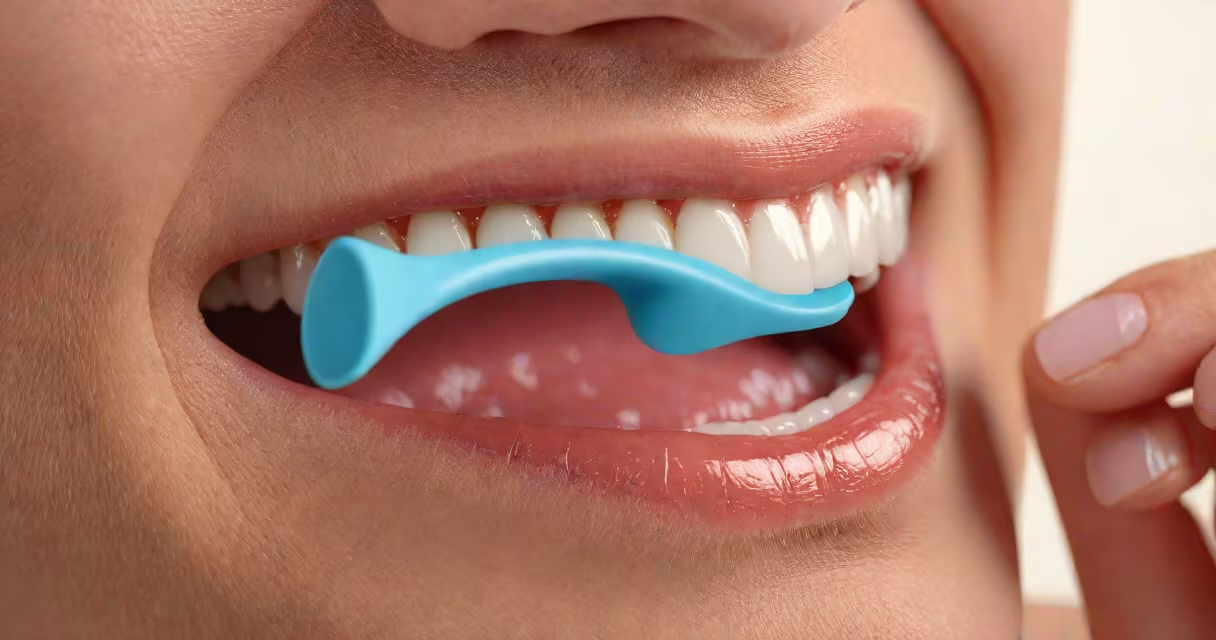
Sore teeth after brushing occur when tooth enamel wears down or gums recede, exposing dentin to brushing pressure and acidic foods. This condition often results from aggressive brushing, abrasive toothpaste, or untreated gum disease.
Dentin, the layer beneath enamel, contains microscopic tubules that transmit pain signals when exposed. When brushing too hard or using a hard-bristled brush, these tubules become irritated, leading to sharp, temporary discomfort. The sensation typically worsens with cold, hot, sweet, or acidic stimuli.
According to the American Dental Association (ADA), nearly 57% of adults experience some form of tooth sensitivity, with improper brushing technique being a primary contributor. The Mayo Clinic notes that over 90% of cases stem from enamel loss or gum recession, not cavities.
Tooth sensitivity arises when the protective layers of enamel and cementum are worn away, leaving dentin exposed. Dentin contains thousands of tiny fluid-filled channels called dentinal tubules. When these tubules are stimulated-by cold air, sugary food, or brushing-the fluid shifts, triggering nerve endings in the pulp chamber. This causes a sudden, sharp pain.
Aggressive brushing with a hard-bristled toothbrush increases shear force on the gumline. A 2021 study published in the Journal of Clinical Periodontology found that brushing with more than 150 grams of pressure caused measurable gum recession in 68% of participants over six months. Most people apply far more pressure than recommended.
Acidic foods and beverages-like citrus fruits, soda, and wine-also erode enamel over time. The pH level of a substance determines its erosive potential. For example, orange juice has a pH of 3.5, which is low enough to dissolve calcium in enamel within minutes of contact.
Several distinct patterns explain why teeth hurt after brushing. Identifying the root cause guides effective treatment.
| Type | Trigger | Underlying Issue | Prevention |
|---|---|---|---|
| Enamel Erosion | Cold drinks, acidic foods, frequent vomiting | Loss of protective outer layer | Use fluoride toothpaste, limit acidic intake |
| Gum Recession | Hard brushing, periodontal disease | Exposed root surfaces | Soft-bristled brush, gentle circular motions |
| Post-Cleaning Sensitivity | Professional cleaning, scaling | Temporary exposure of root surfaces | Desensitizing toothpaste, avoid triggers for 48 hours |
| Cracked Tooth Syndrome | Chewing ice, grinding teeth | Fissure in enamel reaching pulp | Wear night guard, avoid hard objects |
One overlooked factor is the type of toothpaste used. Many whitening and tartar-control pastes contain abrasive agents like silica or sodium bicarbonate. A 2019 study in the International Journal of Dental Hygiene showed that users of high-abrasion toothpastes had 34% greater enamel wear over two years compared to those using low-abrasion formulas.
I once observed a patient who reported severe soreness after brushing. Upon examination, their enamel was visibly worn near the gumline. They were using a whitening toothpaste twice daily and brushing for three minutes each session. Switching to a low-abrasion, fluoride-based paste and reducing brushing time to two minutes eliminated symptoms within two weeks.
Sore teeth after brushing can mimic other conditions. Confusing it with cavities or abscesses leads to delayed care. Unlike decay, which causes constant dull pain or throbbing, sensitivity from enamel loss is sharp and brief-lasting seconds after stimulus.
Bleeding gums during brushing often accompany soreness. This indicates gingivitis or early periodontitis. The American Academy of Periodontology states that bleeding occurs in 72% of patients with untreated gingivitis. If gums bleed regularly, it's not normal-even if there's no pain.
A common mistake is assuming that brushing harder cleans better. The opposite is true. The ADA recommends brushing with light pressure in small circular motions. Using a toothbrush with soft bristles reduces gum trauma and prevents enamel wear. Electric toothbrushes with pressure sensors-like the Philips Sonicare ProtectiveClean-automatically reduce power when excessive force is applied.
If soreness persists beyond five days despite proper brushing habits, consult a dentist. Persistent pain may signal deeper issues such as cracked teeth, exposed roots, or advanced gum disease.
For immediate relief, switch to a desensitizing toothpaste containing potassium nitrate or stannous fluoride. These ingredients block nerve signals in dentinal tubules. Clinical trials show a 60% reduction in sensitivity after four weeks of daily use.
When pain is accompanied by swelling, pus, or a loose tooth, seek emergency dental care. These signs suggest infection or bone loss. Delaying treatment risks tooth loss.
Some people report a gritty or "dirty" feeling after brushing, even after thorough rinsing. This sensation stems from residual plaque or mineral deposits. The feeling is not due to poor cleaning but rather altered surface texture. Using a fluoride rinse or switching to a different toothbrush can resolve this perception.
Prevention begins with correct technique. Brush for two minutes, twice daily. Use a soft-bristled brush. Limit acidic foods and drinks. Avoid mouthwashes with alcohol, which dries out oral tissues and increases sensitivity risk.
True soreness after brushing is not a sign of weakness in oral hygiene-it's a signal of imbalance. Addressing it early prevents long-term damage and maintains comfort during routine care.