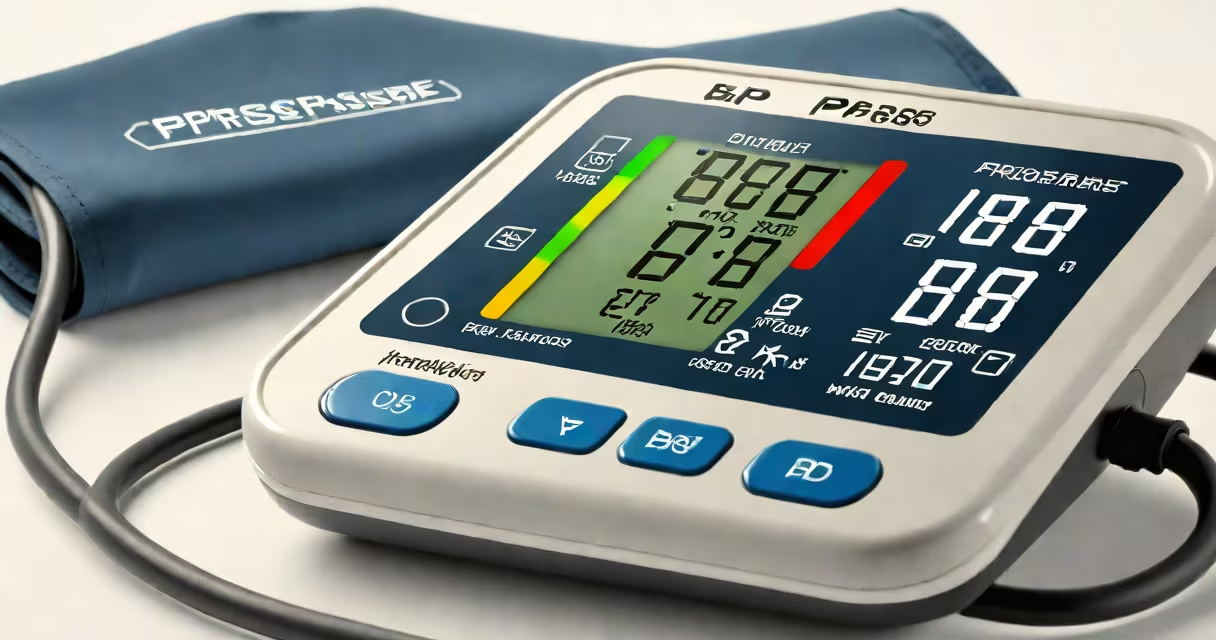
Your blood pressure should ideally be below 120/80 mm Hg. This range is considered normal for most adults and aligns with updated recommendations from the American Heart Association and the American College of Cardiology.
Blood pressure measures the force of blood pushing against artery walls during heartbeats (systolic) and between beats (diastolic). The first number (systolic) reflects pressure when the heart contracts. The second number (diastolic) reflects pressure when the heart rests. A reading of 120/80 mm Hg means 120 mm Hg systolic and 80 mm Hg diastolic.
Readings consistently above 130/80 mm Hg indicate hypertension, a major risk factor for stroke, heart attack, and kidney disease. The American Heart Association defines elevated blood pressure as 120-129/<80 mm Hg, and stage 1 hypertension as 130–139/80–89 mm Hg. Stage 2 hypertension begins at 140/90 mm Hg or higher.
Healthcare providers measure blood pressure using a sphygmomanometer, either manually with a stethoscope or electronically. Home monitoring devices offer consistent tracking and help detect white coat hypertension-elevated readings in clinics due to anxiety.
For accurate results, sit quietly for five minutes before measurement. Place the cuff on a bare upper arm, level with the heart. Avoid caffeine, exercise, or smoking 30 minutes prior. Take two readings at least one minute apart and average them.
A single high reading doesn't diagnose hypertension. Consistent elevations over multiple visits confirm the condition. The American College of Cardiology recommends ambulatory blood pressure monitoring (ABPM) for confirmation, especially when clinic readings fluctuate.
While 120/80 mm Hg is the benchmark, optimal targets vary based on age, comorbidities, and cardiovascular risk. For people aged 65 and older, the ACC/AHA guideline suggests aiming for less than 130/80 mm Hg, though individualization is key.
People with diabetes or chronic kidney disease should maintain blood pressure below 130/80 mm Hg. The SPRINT trial showed that targeting 120 mm Hg systolic reduced heart attacks, strokes, and death compared to 140 mm Hg, even in older adults.
| Blood Pressure Category | Systolic (mm Hg) | Diastolic (mm Hg) |
|---|---|---|
| Normal | <120 | <80 |
| Elevated | 120-129 | <80 |
| Stage 1 Hypertension | 130-139 | 80-89 |
| Stage 2 Hypertension | ≥140 | ≥90 |
Non-clinical factors such as stress, dehydration, or certain medications can temporarily raise readings. However, persistent elevation requires medical evaluation and often lifestyle changes or medication.
Many assume that a single high reading means they have hypertension. That's incorrect. Diagnosis requires consistent elevated values over time. Some patients skip home monitoring, relying solely on clinic visits, which can miss masked hypertension-normal readings in the doctor's office but high at home.
Another misconception is that low blood pressure is always safe. While rare, hypotension (below 90/60 mm Hg) can cause dizziness, fainting, or organ damage if prolonged. People on blood pressure medications may experience this, especially if doses are too high.
A lesser-known fact: blood pressure naturally rises with age due to arterial stiffening. The average systolic pressure increases by about 1 mm Hg per year after age 40. This physiological change underscores why age-specific targets exist and why routine screening matters.
Consider a 52-year-old woman who checks her blood pressure at home. Her readings over three days are:
These averages fall into stage 1 hypertension. She schedules a follow-up with her primary care provider. Over the next month, she reduces sodium intake, walks 30 minutes daily, and cuts back on alcohol. After six weeks, her home readings stabilize at 124/78 mm Hg-within normal range.
This case shows that lifestyle intervention can reverse early hypertension. The American Heart Association notes that reducing salt intake by 1,000 mg/day can lower systolic pressure by 5-6 mm Hg.
If your blood pressure exceeds 180/120 mm Hg, seek immediate care. This is a hypertensive crisis, potentially leading to stroke, heart failure, or organ damage. Symptoms include severe headache, chest pain, vision changes, or difficulty breathing.
Even without symptoms, regular monitoring is essential. The CDC reports that nearly half of U.S. adults have hypertension, yet only about 25% have it under control. Routine screening every 1-2 years for adults over 18 is recommended.
For those managing hypertension, adherence to prescribed medication is critical. Skipping doses or stopping abruptly can trigger rebound spikes. Always consult your provider before adjusting treatment.
Understanding what is my bp supposed to be involves knowing both the ideal numbers and the context behind them. It's not just about hitting a number-it's about sustained health and preventing long-term complications.