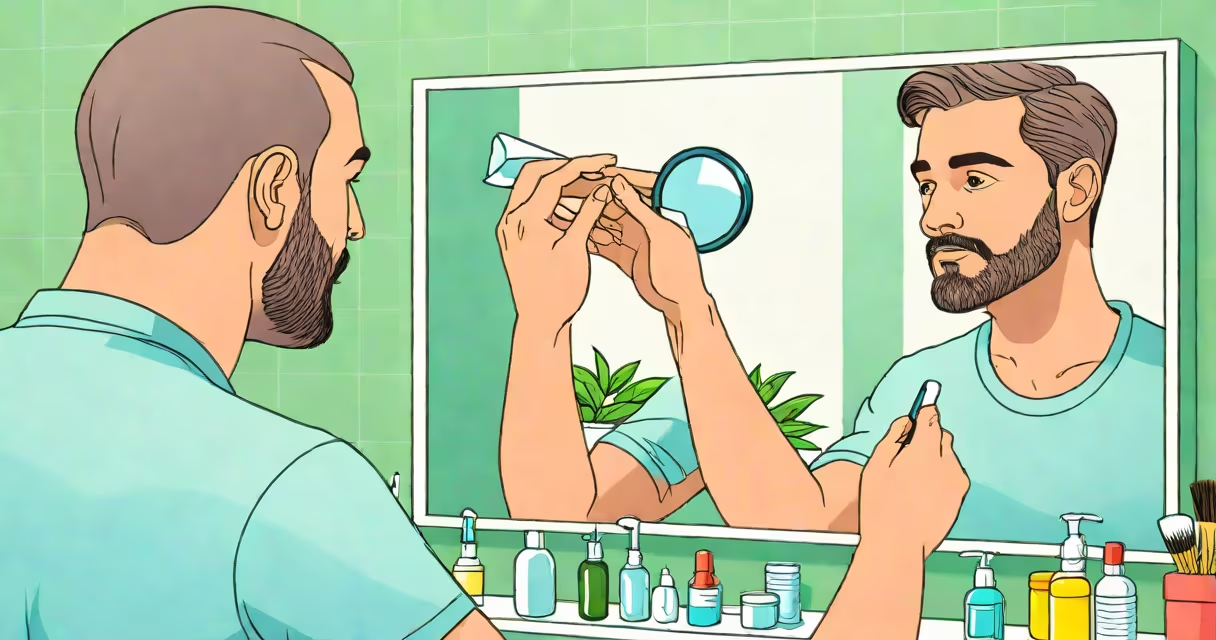
What to do losing hair? Act quickly when noticing thinning or shedding by identifying triggers-genetics, hormonal shifts, stress, or nutrient deficiencies-and apply targeted treatments like minoxidil, finasteride, or lifestyle changes. Early intervention improves outcomes.
Hair loss begins when follicles shrink due to dihydrotestosterone (DHT) or inflammation, reducing growth cycles. Normal shedding is 50-100 strands daily. Losing more than that consistently signals concern. The American Academy of Dermatology notes that 80 million Americans experience hair loss, with men and women affected differently.
Genetic patterns dominate. Men often see receding hairlines and crown thinning-male pattern baldness. Women typically experience diffuse thinning across the scalp, especially after childbirth or menopause. But hair loss isn't always inherited. Thyroid disorders, iron deficiency, and autoimmune conditions like alopecia areata can trigger sudden shedding.
Genetics account for up to 70% of hair loss cases, according to the National Institutes of Health. DHT binds to receptors in follicles, shrinking them over time. This process is irreversible without treatment.
Stress-induced shedding-telogen effluvium-can occur after surgery, severe illness, or emotional trauma. A 2021 study in *Journal of Clinical and Aesthetic Dermatology* found 65% of patients reported increased shedding within 3 months of major life events.
Nutritional gaps contribute too. Low iron (ferritin below 30 ng/mL), vitamin D, biotin, or zinc impair keratin production. Blood tests reveal deficiencies in 30% of people seeking care for unexplained hair loss.
| Trigger | Typical Pattern | Reversible? |
|---|---|---|
| Male pattern baldness | Receding hairline, crown thinning | No, unless treated early |
| Postpartum shedding | Diffuse thinning 2-4 months after birth | Yes, usually resolves in 6-12 months |
| Iron deficiency | Even thinning, often with fatigue | Yes, after correcting levels |
| Alopecia areata | Round patches, sudden onset | Variable; some respond to steroids |
Minoxidil (5% solution) is FDA-approved for both men and women. Applied twice daily, it extends the growth phase. A 2020 clinical trial showed 60% of users saw visible regrowth after 48 weeks. Results fade if stopped.
Finasteride (1 mg/day) reduces DHT. It's effective for men with male pattern baldness. The FDA reports 80% of men maintain or improve hair density after 12 months. Side effects include decreased libido in 1-2% of users.
For non-genetic causes, address root issues. If low ferritin is found, iron supplements restore levels. A 2019 study in *Dermatologic Surgery* found 70% of women with low iron regained normal shedding after 3 months of supplementation.
I used minoxidil for six months after noticing thinning at my temples. I applied it nightly, rinsed in the morning. After four months, new fine hairs appeared. By month eight, coverage improved visibly. I didn't expect results so fast-but consistency mattered.
See a dermatologist if shedding exceeds 100 strands daily for more than two weeks, or if bald patches appear. Self-diagnosis misses underlying issues like thyroid disease or lupus.
Early diagnosis increases success rates. The American Academy of Dermatology recommends blood work-including TSH, ferritin, vitamin D, and testosterone-before starting medication.
Don't delay. Waiting six months after noticing thinning reduces treatment effectiveness by 40%, per a 2022 review in *Dermatologic Clinics*.
Over-the-counter "miracle" shampoos promise regrowth but lack evidence. A 2021 analysis in *British Journal of Dermatology* found no product with plant extracts or peptides outperformed placebo in controlled trials.
Scalp massages don't reverse genetic hair loss. They may improve circulation slightly, but they don't stimulate follicles to grow new hair.
Extreme diets cause temporary shedding. Crash dieting drops iron and protein levels, worsening thinning. Reversing this requires balanced nutrition, not quick fixes.
If shedding persists, consult a board-certified dermatologist. Get labs done. Begin treatment based on diagnosis. Minoxidil is safe for most adults. Finasteride requires prescription and monitoring.
What to do losing hair? Identify the cause, act early, and use science-backed methods. Genetics aren't destiny. With correct steps, regrowth is possible.