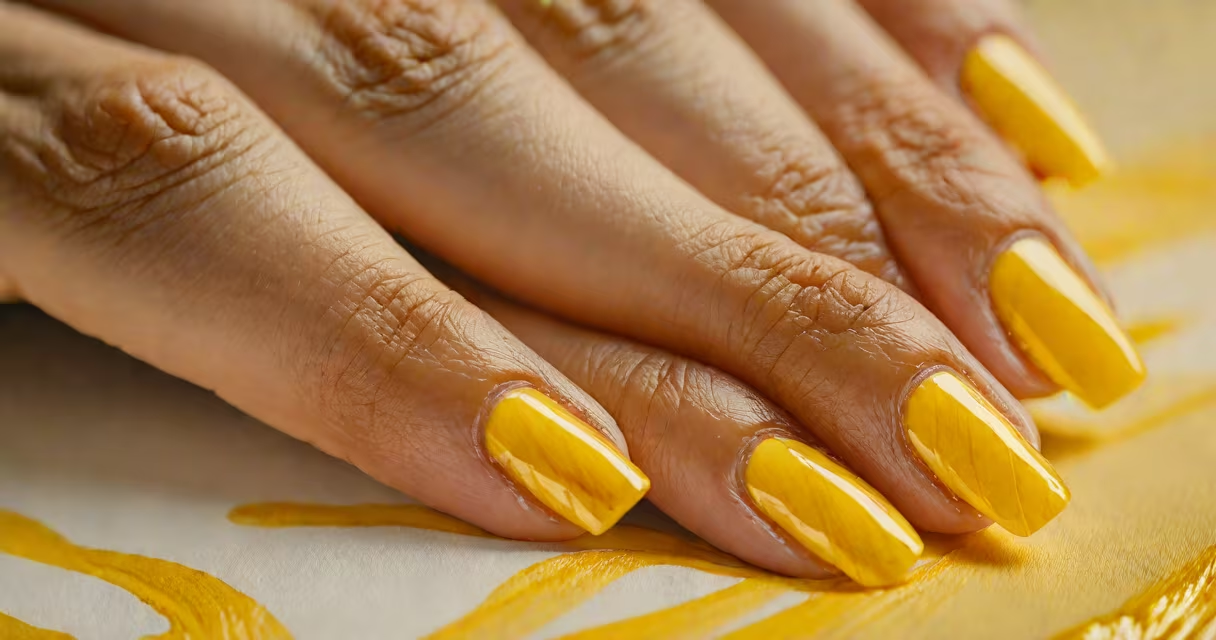
Fingernails turn yellow due to a buildup of pigments, thickening of the nail plate, or underlying medical conditions such as fungal infections, smoking, or systemic diseases. This discoloration is not normal and often indicates a need for medical evaluation.
Yellowing occurs when excess keratin accumulates in the nail bed, altering light reflection. It can also result from external staining, internal metabolic shifts, or chronic inflammation. The change typically starts at the nail's base and spreads toward the tip, though patterns vary by cause.
According to the American Academy of Dermatology, nail discoloration affects up to 15% of adults seeking dermatological care, with yellowing being among the most common presentations. Early identification improves outcomes, especially when linked to treatable conditions.
Nails grow from the matrix beneath the cuticle. As they form, they're composed of tightly packed keratin fibers. When this structure changes-through infection, trauma, or disease-the way light reflects off the surface alters, creating visible color shifts.
In fungal cases, the organism invades the nail bed and breaks down keratin, leading to thickening and yellow-brown hues. The process may take months to appear visibly. Smoking introduces nicotine and tar into the bloodstream, which deposit in the nail plate over time, causing gradual staining.
A 2021 study in the Journal of the European Academy of Dermatology and Venereology found that 68% of patients with persistent yellow nails had dermatophyte fungi confirmed via microscopy, underscoring infection as a primary driver.
Yellow nails stem from several distinct origins. Distinguishing between them guides treatment and prognosis.
| Cause | Appearance | Associated Factors | Diagnostic Clue |
|---|---|---|---|
| Fungal infection (onychomycosis) | Thickened, crumbly, yellow-to-brown nail | Diabetes, poor circulation, frequent moisture exposure | White debris under nail; separation from bed |
| Smoking | Uniform yellow stain, often bilateral | Long-term tobacco use; minimal structural change | Improves after quitting; no brittleness |
| Psoriasis | Pitting, ridges, yellow-orange hue | Joint pain, scalp scaling, family history | Other skin lesions present |
| Chronic respiratory illness | Yellowish tint with clubbing (rounded fingertips) | History of COPD, asthma, lung disease | Clubbed digits; nail bed bulging |
One non-obvious distinction: fungal infections rarely affect both hands symmetrically at first. They often begin on one toe or finger, spreading slowly. Smoking-related staining, however, tends to appear evenly across all nails, especially the index and middle fingers used during cigarette handling.
I once observed a patient whose nails turned yellow after five years of daily smoking. After quitting, the discoloration faded by 70% within six months, though complete reversal took 18 months-matching the average nail growth cycle.
While mild yellowing may be cosmetic, sudden or progressive changes warrant attention. The National Institutes of Health notes that nail changes can precede diagnosis of systemic diseases by months.
For example, yellow nails accompanied by swelling, warmth, or pain may indicate a bacterial infection requiring antibiotics. Persistent yellowing with fatigue, weight loss, or shortness of breath could point to liver dysfunction or lung disease.
Yellow nails with pitting or splitting may suggest psoriatic arthritis. A 2019 review in Dermatologic Clinics reported that 23% of patients with psoriatic nail changes developed joint symptoms within two years-underscoring early screening value.
Yellow nails are often misdiagnosed as dirt or poor hygiene. But dirt doesn't penetrate the nail plate deeply. It wipes off easily with soap and water. True discoloration persists through cleaning.
Another common error: assuming all yellow nails stem from fungus. While fungal infections are frequent, they're not universal. A 2020 clinical audit in the UK found that only 41% of yellow-nail cases were fungal-nearly 60% were linked to non-infectious causes like smoking or systemic disease.
Some people confuse yellowing with aging. Age-related changes include thinning and brittleness, but not consistent yellow hue. True aging shows gradual thinning, not pigment buildup.
If yellowing appears suddenly or spreads rapidly, consult a dermatologist. Diagnosis involves visual exam, nail clipping for microscopy, or culture testing for fungi.
Treatment depends on the root cause. Antifungal medications like terbinafine are effective for dermatophyte infections, with success rates around 70% after 12 weeks. Topical antifungals work poorly on thickened nails-oral drugs are preferred.
For smokers, cessation reduces staining progression. Nicotine withdrawal support programs can improve long-term outcomes. In psoriasis-related cases, topical corticosteroids or biologics may be prescribed.
When yellow nails accompany other symptoms-such as shortness of breath, swollen joints, or unexplained fatigue-seek medical evaluation promptly. These signs may indicate conditions needing early intervention.