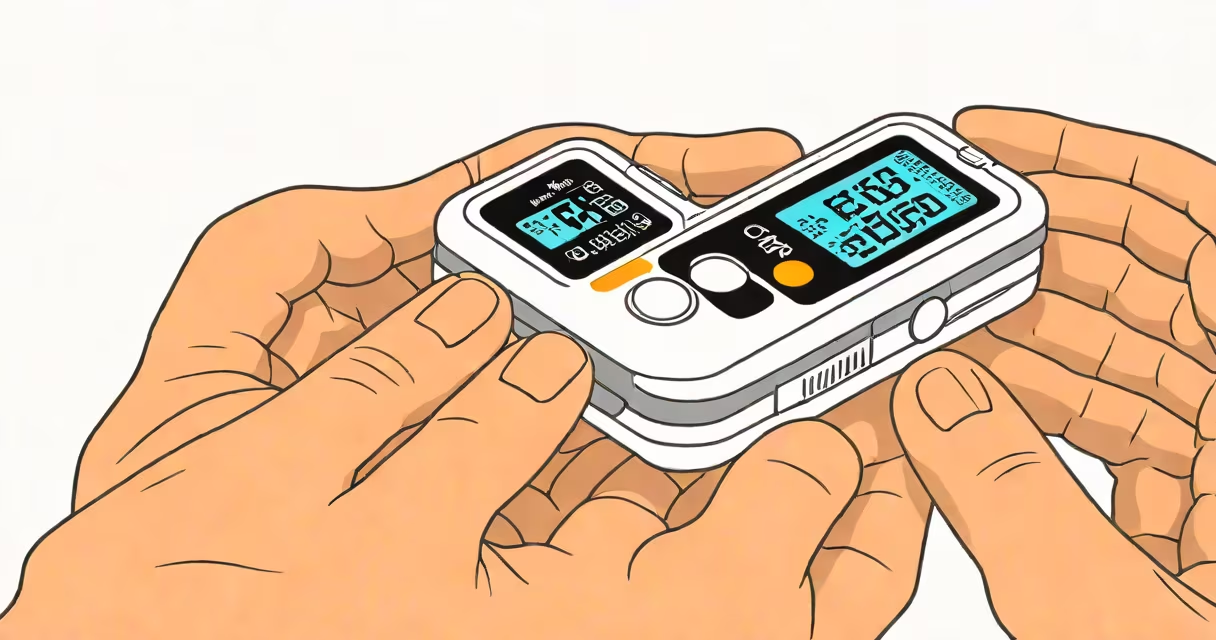
A normal oxygen level with COPD is between 88% and 92% when at rest and during light activity. Levels below 88% indicate hypoxemia and may require supplemental oxygen therapy. This range balances sufficient oxygen delivery with avoiding oxygen toxicity.
Oxygen saturation, measured as SpO2 using a pulse oximeter, reflects how much oxygen is bound to hemoglobin in red blood cells. For people with chronic obstructive pulmonary disease (COPD), maintaining SpO2 within this narrow window prevents tissue damage while minimizing risks linked to high oxygen exposure.
The American Lung Association states that sustained SpO2 below 88% increases the risk of complications such as pulmonary hypertension and right-sided heart failure. Conversely, levels above 94% in COPD patients may suppress the hypoxic drive to breathe, especially in those with hypercapnia (elevated carbon dioxide).
Pulse oximeters are small, non-invasive devices worn on the finger or earlobe. They emit light through the skin and measure how much light is absorbed by oxygenated versus deoxygenated hemoglobin. Results appear as a percentage-SpO2-within seconds.
For accurate readings, ensure the device is properly positioned, the finger is warm, and movement is minimal. A reading taken during sleep or after exercise may differ from resting values due to increased metabolic demand.
Home monitoring is recommended for stable COPD patients with baseline SpO2 below 90%. The Global Initiative for Chronic Obstructive Lung Disease (GOLD) guidelines advise checking SpO2 during daily activities and at night to detect desaturation patterns.
Not all COPD patients have the same ideal oxygen target. The goal depends on severity, presence of cor pulmonale, and arterial blood gas results.
| COPD Severity | Target SpO2 Range | Source |
|---|---|---|
| Mild (GOLD 1) | 94%-98% | GOLD 2023 Report |
| Moderate (GOLD 2) | 90%-94% | GOLD 2023 Report |
| Severe (GOLD 3) | 88%-92% | GOLD 2023 Report |
| Very Severe (GOLD 4) | 88%-92% | GOLD 2023 Report |
Patients with chronic respiratory failure or hypercapnia often require lower targets. A study published in *Respiratory Care* found that aiming for SpO2 88%-92% reduced hospitalizations compared to higher targets in long-term oxygen therapy (LTOT) recipients.
When oxygen levels drop below 80%, the condition is classified as severe hypoxemia. This level correlates with increased mortality risk. According to the National Heart, Lung, and Blood Institute, SpO2 below 80% requires immediate medical evaluation and likely hospitalization.
Many patients assume "higher is better" for oxygen. This belief can lead to over-oxygenation, which increases the risk of carbon dioxide retention and respiratory acidosis in COPD patients with impaired CO₂ clearance.
One common error is adjusting oxygen flow rates based on symptoms alone. A patient may feel less short of breath at 6 L/min but still have SpO2 above 94%, which could suppress their breathing drive. Objective measurement is essential.
I once observed a patient with advanced COPD who reported improved energy after increasing oxygen from 2 L/min to 4 L/min. His SpO2 rose from 90% to 96%, but his arterial blood gas showed rising PaCO₂. Reducing oxygen to 2 L/min normalized CO₂ levels and stabilized his mental status.
Consult a healthcare provider if SpO2 consistently falls below 88% during rest or drops below 85% during walking. These thresholds signal the need for formal assessment, including arterial blood gas testing.
Emergency care is required if SpO2 drops below 80% or if the patient shows signs of confusion, cyanosis (blue lips or fingernails), or extreme fatigue. These are indicators of acute respiratory failure.
For patients on home oxygen therapy, regular follow-up is critical. The U.S. Department of Veterans Affairs notes that nearly 40% of COPD patients on LTOT experience inadequate oxygen delivery due to improper device settings or poor adherence.
For persistent SpO2 below 80%, seek urgent medical intervention. This level indicates life-threatening hypoxia requiring intensive support.
Understanding your target oxygen level with COPD is not about achieving maximum saturation-it's about maintaining balance. Staying within the 88%-92% range during rest and activity reduces complications and improves survival. Regular monitoring and clinical guidance are essential for long-term stability.