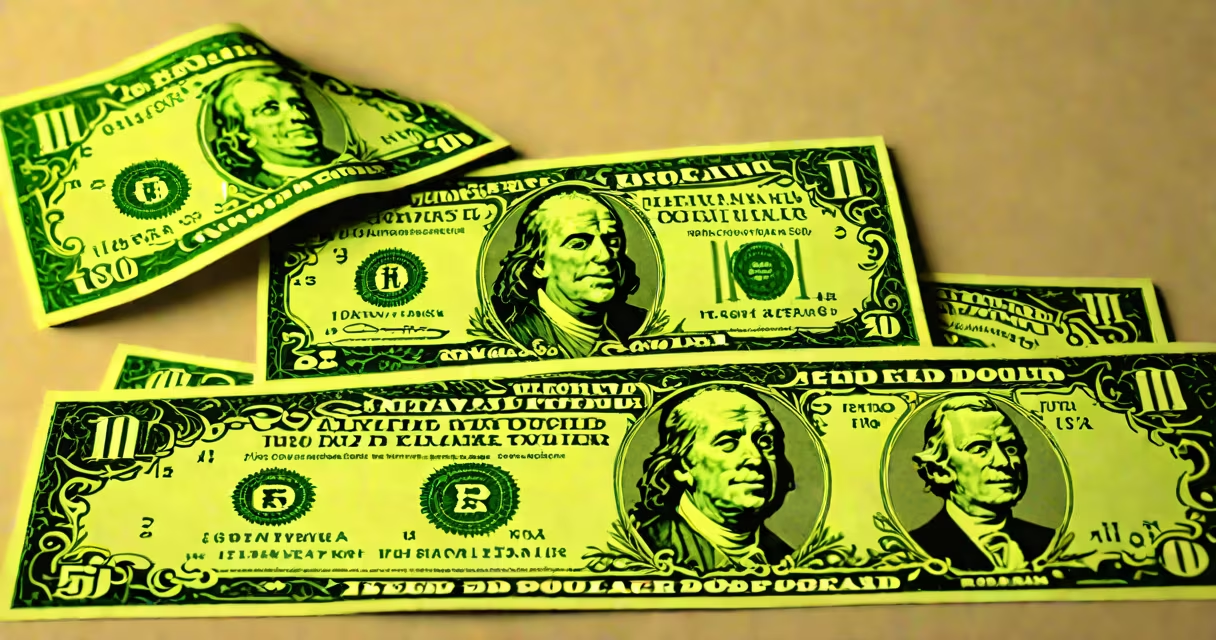
The dollar equivalent of a pound refers to the current exchange rate between the British pound sterling (GBP) and the United States dollar (USD). As of mid-2024, 1 GBP typically equals around $1.25 USD, though this value changes throughout the day due to global financial markets.
Exchange rates are determined by supply and demand in the foreign exchange (forex) market. Major economic indicators such as inflation, interest rates, trade balances, and political stability influence how much one currency is worth relative to another. For example, when the U.S. Federal Reserve raises interest rates, the dollar often strengthens against the pound because higher yields attract foreign capital.
Real-time rates are available through financial institutions, central banks, and dedicated currency platforms. The European Central Bank publishes daily reference rates, while services like XE.com and OANDA provide live updates. These rates are updated continuously during business hours in New York, London, and Tokyo.
Exchange rates are set by the forex market, where currencies are traded 24 hours a day across major financial centers. The rate between the pound and dollar is quoted as USD/GBP or GBP/USD. In most cases, the latter format is used: 1 GBP = X USD.
For example, if the current rate is 1.2567, then one British pound buys 1.2567 U.S. dollars. This rate reflects the immediate value at which traders are willing to buy or sell the pair. It's not a fixed number-it moves constantly based on news, economic reports, and investor sentiment.
Central banks do not directly control the rate, but their policies affect it. The Bank of England sets monetary policy for the UK, including interest rates. The U.S. Federal Reserve manages U.S. interest rates. When the Fed raises rates, the dollar tends to rise in value. When the BoE cuts rates, the pound may weaken.
There are several types of exchange rates used in practice:
| Type | Description | Use Case |
|---|---|---|
| Spot Rate | Immediate exchange rate for delivery within two business days. | Travelers exchanging cash at airports. |
| Forward Rate | Agreed-upon rate for a future date, used in hedging. | UK exporters locking in a rate for future sales to U.S. clients. |
| Mid-Market Rate | The average of buy and sell prices, excluding fees. | Financial analysts comparing cross-currency values. |
Many online tools quote the mid-market rate, but actual transactions often involve a markup. Banks and money transfer services charge fees or offer less favorable rates to generate profit. A traveler exchanging £100 at a bank might receive only $122.50 instead of $125.67-the difference is the service fee and margin.
The dollar equivalent of a pound appears in international trade, travel, investment, and remittances. Businesses importing goods from the UK to the U.S. use the rate to calculate costs and profits. Tourists planning trips to London rely on it to budget for expenses.
Investors track the rate when buying stocks listed in foreign currencies. For example, a U.S.-based investor purchasing shares in HSBC (traded in GBP) must convert their USD into pounds. If the pound weakens, the cost of the stock increases in dollar terms.
A real-world example: In January 2024, a U.S. company ordered £50,000 worth of machinery from a UK supplier. At a rate of 1.24, the cost was $62,000. By March, the pound dropped to 1.18, increasing the cost to $59,000 in USD terms. The company saved $3,000 due to currency movement, but this also depends on timing and hedging strategies.
Many assume the dollar equivalent of a pound is stable or predictable. It is not. The rate can swing by 2% in a single day due to geopolitical events or unexpected economic data. In February 2023, the pound fell sharply after the UK government announced a fiscal plan that raised inflation concerns. The rate dropped from 1.23 to 1.17 in 48 hours.
Another mistake is confusing nominal value with purchasing power. The dollar equivalent shows exchange rate, not cost of living. A meal costing £10 in London may be cheaper than a similar meal priced at $12 in New York, even if the exchange rate suggests the pound is stronger.
Also, people often think they're getting a fair deal when using airport exchange kiosks. These locations frequently offer poor rates and high fees. On average, travelers lose 5-10% on conversions at airports compared to using a credit card with no foreign transaction fee.
I once spent a week in Edinburgh using a debit card linked to a U.S. bank account. The card charged a 1% foreign transaction fee and applied the interbank rate. During that trip, I exchanged $300 for £240 at a local branch. The official rate was 1.25, but the bank applied a 1.5% markup. I ended up paying $303.60 for the same amount of pounds-a loss of $3.60 due to hidden fees.
The dollar equivalent of a pound is not the same as the "value" of the pound. Value depends on context-economic strength, inflation, or consumer confidence. The pound has historically been stronger than the dollar for purchasing power in the UK, but its exchange rate fluctuates.
The term "dollar equivalent" applies only to the USD. Other currencies have different equivalents. For example, 1 GBP equals about 1.12 euros, not $1.25. Confusing these leads to miscalculations in international budgets.
As of June 2024, the average daily exchange rate for GBP/USD ranged between 1.23 and 1.27, according to the Federal Reserve Economic Data (FRED) and the Bank of England's published rates. These sources confirm that exchange rates are changing and subject to change without notice.
Understanding the dollar equivalent of a pound helps avoid financial surprises. investing in overseas assets, knowing the current rate and associated fees is essential. Always check the latest rate before making a transaction.