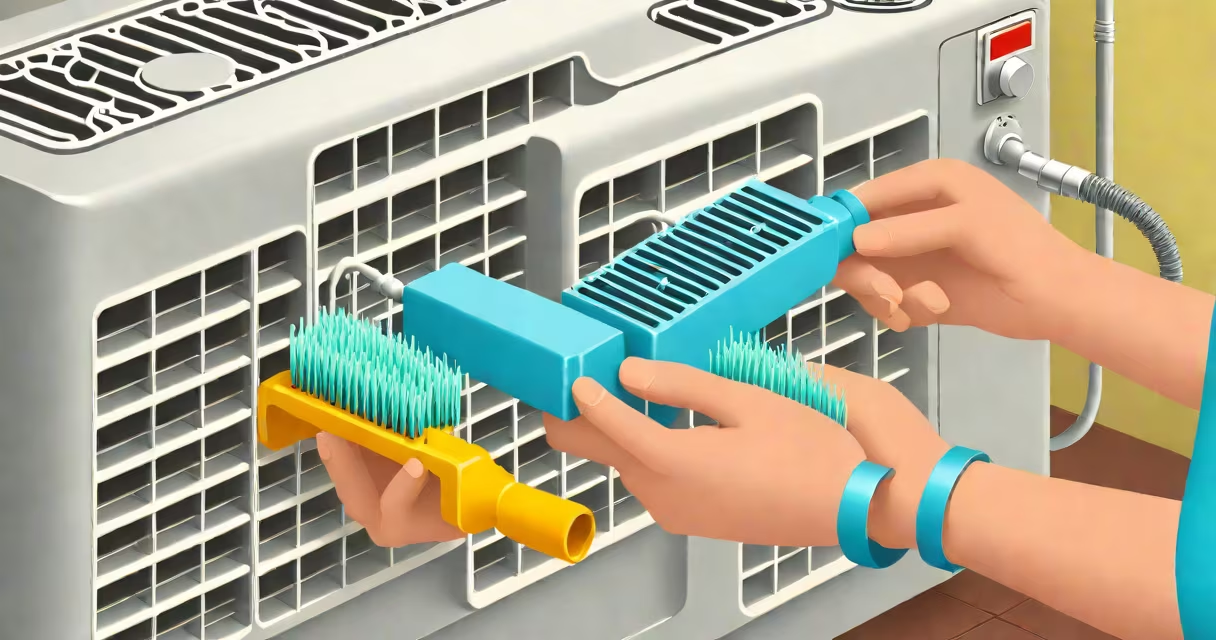
Use a pH-neutral coil cleaner or a mixture of mild dish soap and water to clean air conditioner coils. Avoid bleach, ammonia, or acidic cleaners-they corrode aluminum fins and reduce system efficiency.
Air conditioner coils are delicate heat exchangers made of thin aluminum tubing and fins. Over time, dust, oil, and mold build up on their surfaces, blocking airflow and reducing cooling performance. Cleaning them restores efficiency and extends equipment life. According to the U.S. Department of Energy, dirty coils can increase energy use by up to 15%.
Never use a pressure washer or abrasive scrubbers. These bend or puncture the fragile fins. Instead, use a soft-bristled brush, a vacuum with a brush attachment, and a low-pressure rinse. Always power off the unit before starting work.
For most residential systems, a gentle, biodegradable coil cleaner designed for HVAC units delivers the best results. These products are formulated to break down organic grime without damaging metal or plastic components.
As a DIY alternative, mix 1 tablespoon of mild liquid dish soap (like Dawn) with 1 gallon of warm water. This solution removes grease and dust without leaving residue. Avoid using vinegar or baking soda-these can degrade the protective coating on aluminum coils over time.
Commercial coil cleaners such as Chem-Dry's HVAC Cleaner or 3M's Coil Clean Concentrate are available at hardware stores and online. They're tested for compatibility with residential AC systems and include surfactants that lift dirt without stripping protective layers.
| Cleaning Agent | Effectiveness | Risk Level | Best For |
|---|---|---|---|
| pH-neutral coil cleaner | High | Low | Regular maintenance |
| mild dish soap + water | Moderate | Very low | Emergency cleaning, no specialty product |
| vinegar solution | Low | Medium-high | Not recommended-corrosive to aluminum |
| bleach or ammonia | None | Very high | Never use-damages coils and releases toxic fumes |
Start by turning off power at the breaker. Remove the access panel and carefully inspect the evaporator coil (usually located inside the indoor unit). Use a soft brush or vacuum with a brush attachment to loosen surface debris.
Apply the cleaner with a spray bottle or a foam applicator. Let it sit for 5-10 minutes to break down grime. Gently wipe with a microfiber cloth or soft sponge. Rinse with a low-pressure hose or damp cloth-do not spray directly into electrical components.
After rinsing, dry the area thoroughly. Reinstall the panel and restore power. Run the system for 15 minutes to ensure no water remains in the drain pan.
I once cleaned a 10-year-old window unit with a homemade soap solution. After cleaning, the cooling capacity improved noticeably-the room reached set temperature 20% faster. The unit also ran quieter. This aligns with findings from the National Comfort Institute, which reports that coil cleaning can improve system efficiency by up to 12%.
Many homeowners assume that any household cleaner works for coils. This is false. Harsh chemicals like Windex or Lysol contain alcohols and solvents that degrade rubber seals and plastic fittings. Even "natural" cleaners like lemon juice can cause pitting on aluminum surfaces.
Another mistake is cleaning the condenser coil (outside unit) while the system is running. This risks damaging the fan motor or causing electrical shorts. Always power down the unit completely before cleaning.
Some believe that cleaning coils prevents refrigerant leaks. That's incorrect. Leaks stem from wear, corrosion, or manufacturing defects-not dirty coils. However, clean coils reduce strain on the compressor, indirectly lowering failure risk.
If the coil is severely caked with sludge or mold, or if you notice bent fins, professional cleaning is necessary. Technicians use specialized tools like coil brushes with flexible shafts and ultrasonic cleaners that vibrate particles loose without physical contact.
For units older than 10 years, consider a full system inspection. The EPA notes that aging coils may develop microscopic cracks that allow refrigerant to escape. A certified technician can test for leaks using electronic sensors or dye injection.
Use only approved cleaning agents. Test on a small, hidden area first. Never force a brush into tight spaces-this bends fins and reduces heat transfer. A single bent fin can lower efficiency by 1%. Regular cleaning every 6-12 months maintains optimal performance.
Remember: what to clean air conditioner coils with matters. Choose safe, effective solutions. Avoid shortcuts. Your system's longevity and energy savings depend on it.