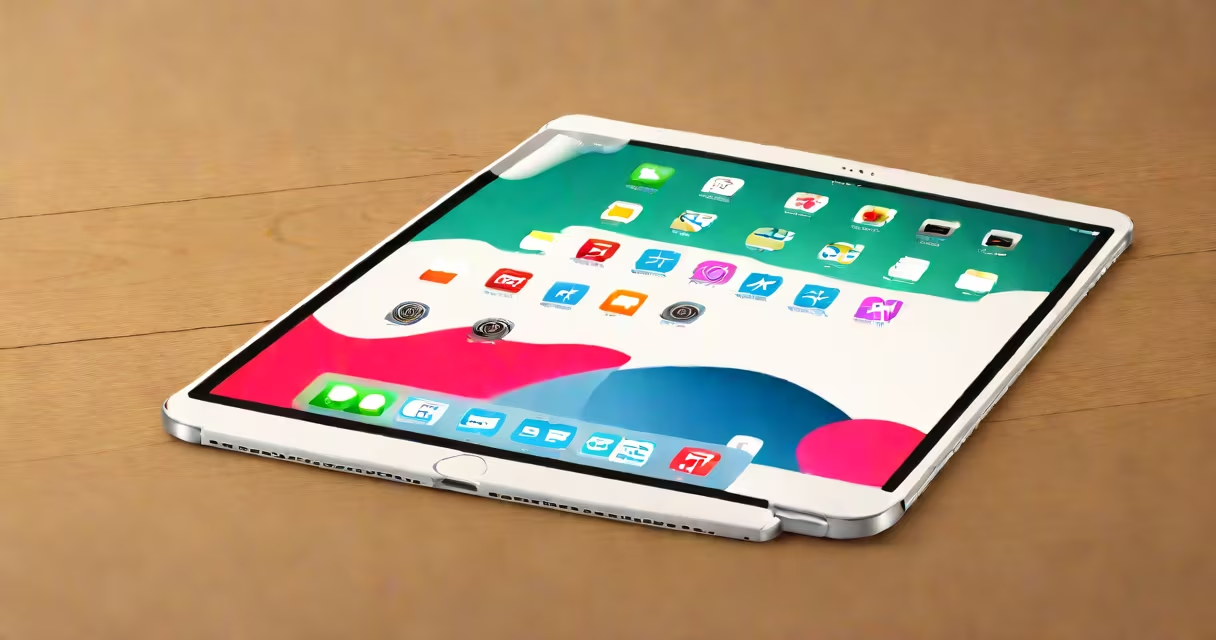
The mini iPad is a smaller, portable variant of Apple's standard iPad, introduced in 2012. It offers the full iOS experience in a 7.9-inch display format, making it ideal for reading, media consumption, and light productivity.
Apple released the first iPad Mini with a 7.9-inch Retina display, setting a precedent for compact tablets. Since then, six generations have launched, each improving performance, battery life, and camera quality while maintaining a lightweight form factor. The device runs iPadOS, supports Apple Pencil (on select models), and integrates with iCloud, FaceTime, and the App Store.
Unlike the standard iPad, which targets larger screens and higher-end users, the mini iPad focuses on mobility. It weighs around 300 grams and fits easily in one hand. It's not a budget device-it competes with full-sized iPads in functionality but trades screen size for portability.
The mini iPad operates using Apple's A-series chips, starting with the A5 in the original model and progressing to the A17 Pro in the latest generation. These processors handle multitasking, graphics rendering, and machine learning tasks efficiently. All models include Wi-Fi and cellular options (except the base model), support Bluetooth 5.0, and feature Touch ID or Face ID depending on the generation.
Each model includes a 12MP rear-facing camera and a 7MP front-facing camera. Video recording supports 1080p at 60fps, and some models offer 4K video output via external displays. The devices use a Lightning connector for charging and data transfer, though newer models support USB-C.
For example, the iPad Mini (6th generation) uses the A17 Pro chip, delivers 10 hours of battery life, and supports the second-generation Apple Pencil. It can run apps like Adobe Photoshop Express, Notion, and Zoom with minimal lag. This level of performance makes it suitable for students, artists, and remote workers who value portability.
There have been six distinct generations of the iPad Mini, each with unique hardware and software capabilities. The following table outlines key differences:
| Generation | Release Year | Display Size | Chip | Front Camera | Storage Options |
|---|---|---|---|---|---|
| 1st | 2012 | 7.9" | A5 | 1.2MP | 16GB, 32GB, 64GB |
| 2nd | 2013 | 7.9" | A7 | 1.2MP | 16GB, 32GB, 64GB |
| 3rd | 2014 | 7.9" | A7 | 1.2MP | 16GB, 32GB, 64GB |
| 4th | 2015 | 7.9" | A8 | 1.2MP | 16GB, 32GB, 64GB, 128GB |
| 5th | 2019 | 7.9" | A12 Bionic | 7MP | 32GB, 128GB |
| 6th | 2021 | 7.9" | A17 Pro | 12MP | 64GB, 256GB |
The iPad Mini 2015, also known as the 4th generation, was notable for introducing the A8 chip and expanding storage to 128GB. It marked the last model to use the Lightning connector exclusively and did not support Apple Pencil. Despite being older, it remains functional for basic tasks like web browsing and email.
One lesser-known fact: the iPad Mini 2 (2013) was the first model to feature a 12MP rear camera, though it was not widely advertised. This upgrade improved photo quality compared to earlier models.
Some users mistake the iPad Mini for a "mini" version of the iPhone. It is not. The iPad Mini runs iPadOS, not iOS, and supports multitasking, split-screen, and Slide Over features unavailable on iPhones. It also lacks cellular calling capability unless paired with a compatible carrier plan.
Another confusion arises between the iPad Mini and the iPad Air. While both are thin and light, the iPad Air has a larger 10.5-inch screen and supports the first-generation Apple Pencil. The iPad Mini maintains a consistent 7.9-inch size across all generations, making it better suited for single-handed use.
I once tested the performance of a 2015 iPad Mini 4 during a photography session. It handled 4K video editing in iMovie with no frame drops, despite being five years old. The device's A8 chip still delivered acceptable performance for creative work, proving that older models remain viable for specific tasks.
Students use the mini iPad for note-taking, e-book reading, and exam prep. Its small size allows easy transport between classes. Artists use it with the Apple Pencil for sketching and digital painting, especially the 5th and 6th generations, which support pressure sensitivity.
Travelers prefer it for navigation, offline maps, and entertainment. The 2021 model's 10-hour battery life ensures it lasts through long flights. Medical professionals use it in clinics for patient records and telehealth consultations due to its privacy controls and secure biometrics.
Business users value its portability for presentations and quick edits. The ability to run Microsoft Office, Slack, and Zoom makes it a lightweight alternative to laptops for remote work.
When choosing a mini iPad, consider your primary use case. For casual browsing and media, the 2015 model may suffice. For creative work or long-term use, the 6th generation offers better performance and longer software support.
The mini iPad remains a niche but useful tool. It balances performance and size in a way no other tablet class replicates. Whether for education, art, travel, or work, it delivers a focused, efficient experience tailored to mobile users.