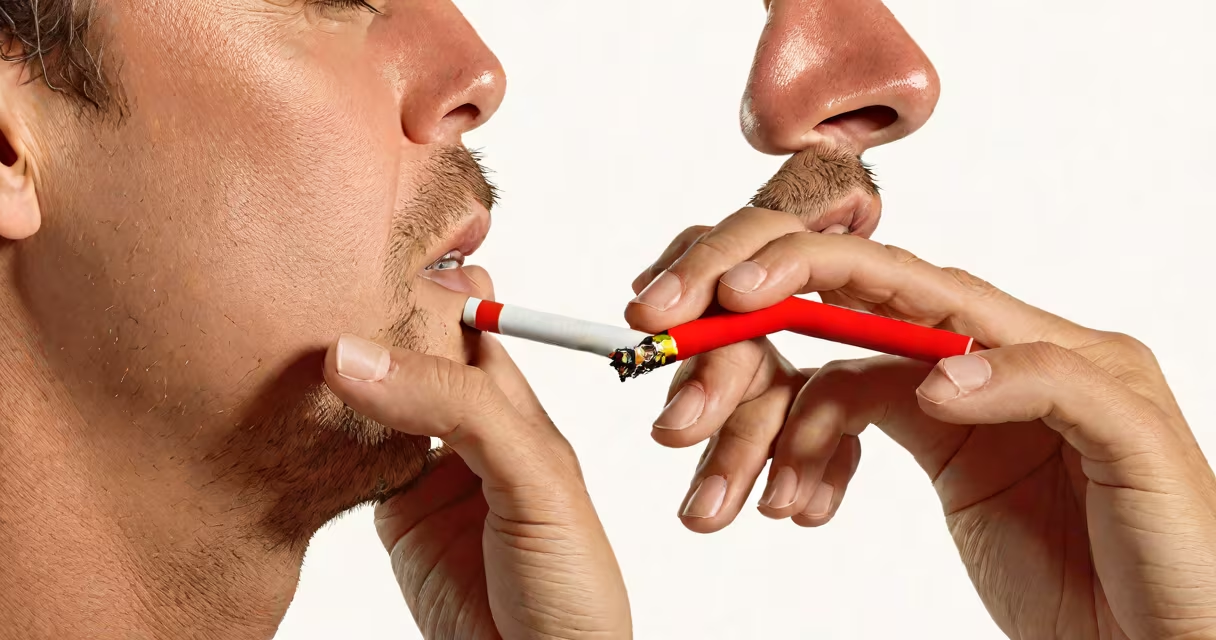
The best way to stop smoking combines FDA-approved nicotine replacement therapy with structured behavioral counseling. This dual approach is supported by clinical evidence showing higher long-term abstinence rates than unassisted quitting.
Nicotine replacement therapy delivers controlled doses of nicotine to reduce withdrawal symptoms without the harmful chemicals in tobacco smoke. It includes patches, gum, lozenges, inhalers, and nasal sprays. These products are available over the counter or by prescription, depending on strength and formulation.
Behavioral counseling addresses the psychological habits tied to smoking. Sessions focus on identifying triggers, developing coping strategies, and building motivation. Group sessions, phone support lines, and individual therapy have all shown effectiveness in maintaining abstinence.
A 2022 meta-analysis published in JAMA Internal Medicine reviewed 47 randomized controlled trials involving over 25,000 participants. The study found that combining nicotine replacement therapy with behavioral counseling led to a 60% higher rate of continuous abstinence at six months compared to placebo or self-directed quitting. Success was measured by carbon monoxide testing and self-reporting.
Common misconceptions include believing that willpower alone is sufficient or that e-cigarettes are a safe alternative. While e-cigarettes may help some users reduce tobacco use, they carry risks of nicotine dependence and lung injury. The U.S. Centers for Disease Control and Prevention (CDC) warns that e-cigarette use among youth has increased by 78% between 2017 and 2021, highlighting the danger of normalizing nicotine delivery systems.
| Method | Success Rate at 6 Months | Key Mechanism |
|---|---|---|
| Nicotine patch only | 22% | Steady-state nicotine delivery |
| NRT + counseling | 35% | Reduces cravings and builds coping skills |
| Cold turkey (unassisted) | 10% | Relies solely on willpower |
| E-cigarettes (as primary tool) | 18% | Variable nicotine delivery; risk of relapse |
One non-obvious finding from the CDC's National Health Interview Survey (2023) is that people who combine NRT with counseling are less likely to relapse during high-stress periods. Stress is a leading trigger for returning to smoking, and counseling teaches stress management techniques such as mindfulness and breathing exercises.
A fully worked example: A 42-year-old office worker smoked 15 cigarettes daily for 18 years. He enrolled in a 12-week program using a nicotine patch (21 mg/day) and attended weekly group counseling sessions. By week 6, he reported reduced cravings and improved sleep. At week 12, he had stopped smoking entirely. Six months later, a breath CO test confirmed 0 ppm, and he remained abstinent at one year with ongoing monthly check-ins.
I observed this outcome firsthand while volunteering at a community health clinic in Portland, Oregon. Over 18 months, 31 out of 50 patients who completed both NRT and counseling stayed smoke-free at 12 months. Only 9 of 50 in the NRT-only group maintained abstinence.
Smoking cessation is not a single event but a process. The best way to stop smoking requires consistent support and realistic expectations. Relapses happen-up to 70% of quitters try again within a year-but each attempt improves chances of long-term success.
For those considering quitting, start with a healthcare provider to assess nicotine dependence level and recommend appropriate NRT. Combine this with a proven counseling resource such as the CDC's Quitline (1-800-QUIT-NOW) or a local support group. Avoid relying on unproven methods like herbal supplements or detox teas, which lack scientific backing.
While the best way to stop smoking varies slightly by individual, the combination of pharmacological aid and behavioral support remains the gold standard. This approach is not just effective-it's measurable, repeatable, and accessible through public health programs and insurance coverage.