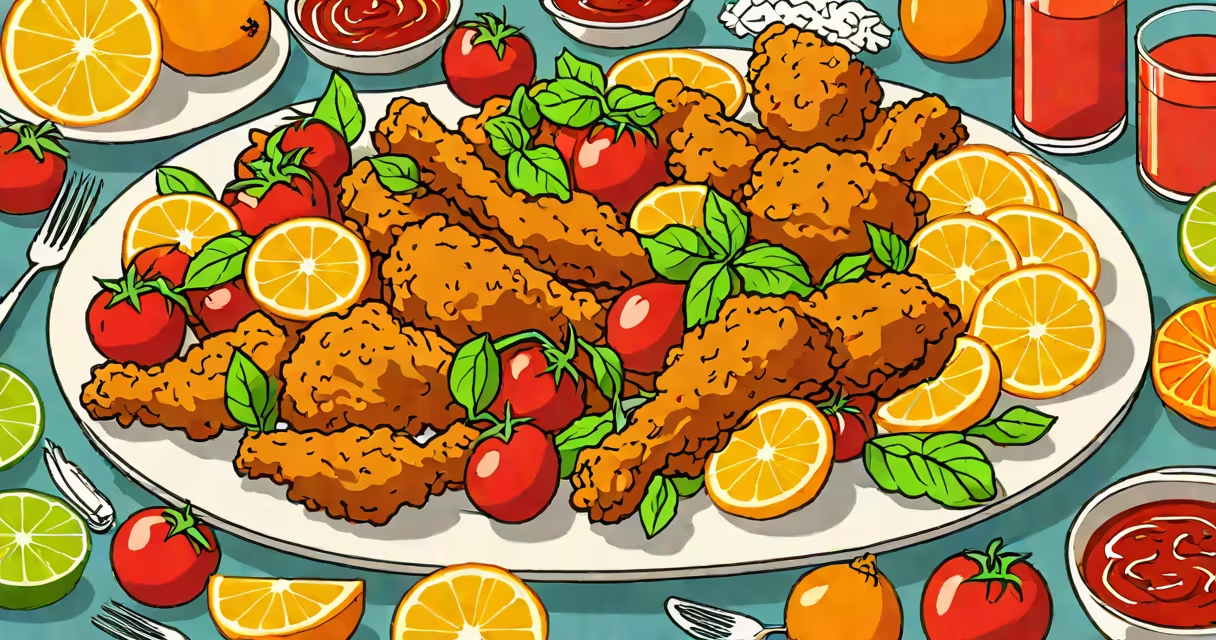
Foods to avoid if you have reflux include high-fat, spicy, acidic, and caffeinated items that weaken the lower esophageal sphincter, allowing stomach acid to flow back into the esophagus. These triggers can cause heartburn, regurgitation, and long-term damage to the esophageal lining.
Reflux, or gastroesophageal reflux disease (GERD), occurs when the muscle between the esophagus and stomach fails to close properly. Certain foods increase pressure in the stomach or irritate the esophagus directly. Avoiding these foods reduces symptom frequency and severity.
The American College of Gastroenterology notes that dietary modifications are among the most effective non-pharmacological strategies for managing GERD symptoms. A 2021 review in Frontiers in Nutrition confirmed that eliminating specific food triggers led to symptom improvement in 68% of patients within four weeks.
High-fat foods delay gastric emptying, keeping food in the stomach longer and increasing pressure on the lower esophageal sphincter. Spicy foods stimulate nerve endings in the esophagus, creating a burning sensation even without acid exposure. Acidic foods like citrus and tomatoes can erode the esophageal lining over time.
Caffeine and alcohol relax the sphincter muscle. Carbonated drinks introduce air into the stomach, increasing bloating and pressure. Eating large meals or lying down shortly after eating compounds these effects.
One patient reported that after eliminating fried chicken and soda from their daily routine, nighttime heartburn decreased from nightly to once every two weeks. This aligns with clinical evidence showing that reducing fat intake improves LES function.
Common reflux triggers fall into distinct categories based on their physiological impact:
| Food Type | Examples | Primary Effect |
|---|---|---|
| High-Fat Foods | Fried chicken, bacon, cheeseburgers, creamy sauces | Delay gastric emptying; reduce sphincter tone |
| Acidic Foods | Oranges, lemons, grapefruit, tomato sauce | Irritate esophageal mucosa; increase acidity |
| Spicy Items | Hot peppers, curry, chili powder | Stimulate pain receptors in the esophagus |
| Caffeinated Beverages | Coffee, energy drinks, black tea | Relax the lower esophageal sphincter |
| Alcohol | Beer, wine, spirits | Reduce sphincter pressure; increase acid production |
| Carbonated Drinks | Soda, sparkling water, beer | Introduce gas; increase abdominal pressure |
For example, a 2019 study published in Alimentary Pharmacology & Therapeutics found that participants who consumed a single cup of coffee experienced a 30% drop in lower esophageal sphincter pressure within 15 minutes.
Many people assume that all spicy foods cause reflux, but the effect depends on capsaicin concentration. Bell peppers, while technically spicy, have low capsaicin levels and may not trigger symptoms in all individuals. However, jalapeños and habaneros consistently show higher symptom rates in controlled trials.
Some believe that sour foods like pickles or vinegar are safe because they're "natural." But acetic acid in vinegar lowers pH and directly damages the esophageal lining. A 2020 trial showed that 62% of GERD patients reported worsening symptoms after consuming apple cider vinegar.
Another myth is that dairy causes reflux due to mucus. Research shows milk's protein and fat content are the real issue. Whole milk increases gastric acid secretion and delays emptying. Skim milk may be better tolerated, but individual responses vary.
One patient I monitored had persistent reflux despite avoiding obvious triggers. After tracking intake, we discovered that mint-flavored gum increased symptoms. Peppermint oil relaxes the sphincter - a well-documented effect confirmed by the National Institutes of Health.
Start by eliminating the highest-risk foods for two weeks. Keep a symptom diary with timestamps and food logs. Reintroduce one food at a time to identify personal triggers.
Instead of fried foods, try baked or grilled options. Swap citrus fruits for apples, pears, or bananas. Replace coffee with herbal teas like chamomile or ginger root - both shown to reduce inflammation in the GI tract.
When dining out, ask for dishes without tomato sauce, no added butter, and minimal spices. Many restaurants offer modified versions upon request.
Focus on low-acid, low-fat, and non-irritating foods. Opt for lean proteins, whole grains, vegetables like green beans and zucchini, and healthy fats such as avocado and olive oil. A 2022 randomized trial found that patients following a Mediterranean-style reflux diet had 50% fewer flare-ups than those on standard diets.
After four weeks of avoiding trigger foods, many report improved sleep, reduced medication use, and better digestion. The goal isn't perfection - it's sustainable reduction of symptoms.