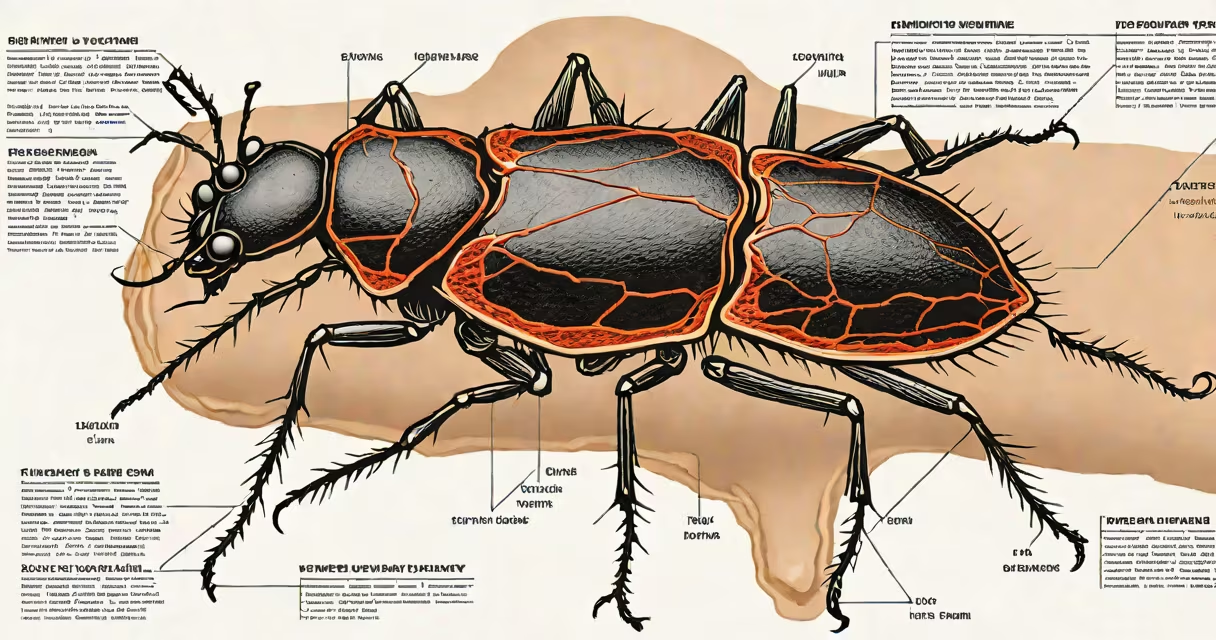
Chagas disease, caused by the parasite Trypanosoma cruzi, often begins with subtle or absent symptoms, but can progress to severe heart and digestive system damage. Early signs include fever, swelling at the infection site (Romaña's sign), and fatigue. In later stages, it manifests as cardiomyopathy, arrhythmias, and megacolon.
The initial phase of Chagas disease typically lasts weeks to months. During this time, the parasite circulates in the blood. Most people show no symptoms or only mild ones-fever, swollen lymph nodes, muscle pain, or fatigue. A distinctive sign, Romaña's sign, appears in about 10% of cases: unilateral eyelid swelling and redness following a bite from an infected triatomine bug, also known as a "kissing bug." This occurs because the parasite enters through the eye area after the insect defecates near the bite.
Without treatment, the infection moves into the chronic phase, which can last decades. This stage is where Chagas disease becomes visibly dangerous. The parasite damages nerves and tissues in the heart and gastrointestinal tract. By the time symptoms emerge, irreversible damage may have occurred. The disease is endemic in Latin America but increasingly diagnosed in the U.S., especially among immigrants from affected regions.
Chagas disease doesn't present with a single visible rash or lesion. Instead, its appearance depends on organ involvement. The most common visual indicators come from cardiac and digestive complications.
Cardiac manifestations include irregular heartbeat, chest pain, and fluid buildup in the lungs. Over time, patients develop dilated cardiomyopathy-enlarged heart chambers due to weakened muscle. On imaging, the heart may appear enlarged. Electrocardiograms often show conduction abnormalities, such as right bundle branch block. These changes aren't visible externally but lead to palpitations, dizziness, and fainting.
Digestive symptoms include megacolon (enlarged colon) and megaesophagus (enlarged esophagus). Megacolon causes chronic constipation, abdominal bloating, and bowel obstruction. Patients may report passing large, infrequent stools. Megaesophagus leads to difficulty swallowing, regurgitation, and weight loss. These conditions result from nerve damage in the gut wall, impairing peristalsis-the wave-like motion that pushes food through the digestive tract.
| Stage | Typical Symptoms | Visible Signs | Onset |
|---|---|---|---|
| Acute | Fever, fatigue, swollen lymph nodes | Romaña's sign (eye swelling), localized swelling at bite site | Days to weeks after exposure |
| Chronic indeterminate | Often asymptomatic | None | Years after infection |
| Chronic symptomatic | Heart failure, arrhythmia, megacolon, megaesophagus | Abdominal distension, weight loss, dysphagia | Decades after infection |
A non-obvious fact: Romaña's sign is not always present. Some patients develop swelling around the mouth or ear, depending on where the bug bites. The sign is named after physician Carlos Chagas, who first described it in 1909. It's not a rash-it's a localized inflammatory response to parasite entry.
Chagas disease is frequently mistaken for other tropical infections. Its early symptoms resemble dengue, Zika, or malaria-fever, headache, muscle pain. But unlike those viruses, Chagas is not transmitted by mosquitoes. It spreads via feces of triatomine bugs, which bite at night and defecate near the wound. Scratching the bite can introduce the parasite into the bloodstream.
Another confusion arises with skin conditions. Some assume Chagas causes rashes or lesions. It does not. Any skin changes are due to secondary infections or allergic reactions, not the parasite itself. The only consistent skin-related sign is Romaña's sign, which appears in less than half of acute cases.
Many assume Chagas is rare in the U.S. That's incorrect. The CDC estimates 300,000 people in the U.S. have Chagas disease, mostly from Central and South America. Most remain undiagnosed until symptoms appear years later. The lack of routine screening means many cases go unnoticed until heart failure develops.
In 2018, a 47-year-old woman from Guatemala presented to a clinic in Texas with fatigue, shortness of breath, and episodes of fainting. She had no history of heart disease. An electrocardiogram showed left bundle branch block and ventricular tachycardia. Echocardiography revealed an enlarged left ventricle with reduced ejection fraction-classic signs of Chagas-induced cardiomyopathy.
She reported living in a rural village with mud-walled homes. She recalled being bitten by a small, black bug that looked like a cockroach. Blood tests confirmed anti-Trypanosoma cruzi antibodies. She was treated with benznidazole, though the drug's effectiveness declines in chronic stages. Her condition stabilized with medication and lifestyle changes.
This case illustrates how Chagas disease can mimic heart failure. Without travel history or awareness of vector exposure, diagnosis is delayed. The patient had no visible rash or swelling-just progressive cardiac decline.
If you've lived in or traveled to Latin America, especially rural areas with poor housing, and develop unexplained fatigue, heart palpitations, or digestive issues, consider Chagas disease. Diagnosis relies on blood tests detecting antibodies to Trypanosoma cruzi. Two serological tests are required for confirmation-ELISA and IFA or immunoblot.
For chronic cases, imaging is essential. Echocardiograms assess heart function. Barium swallow studies diagnose megaesophagus. Colonoscopy reveals megacolon. These tools show structural changes not visible on the surface.
Early detection prevents progression. The CDC recommends testing for people born in or who have lived in endemic regions for more than six months. Treatment with benznidazole or nifurtimox is most effective during the acute phase. In chronic cases, treatment focuses on managing complications.