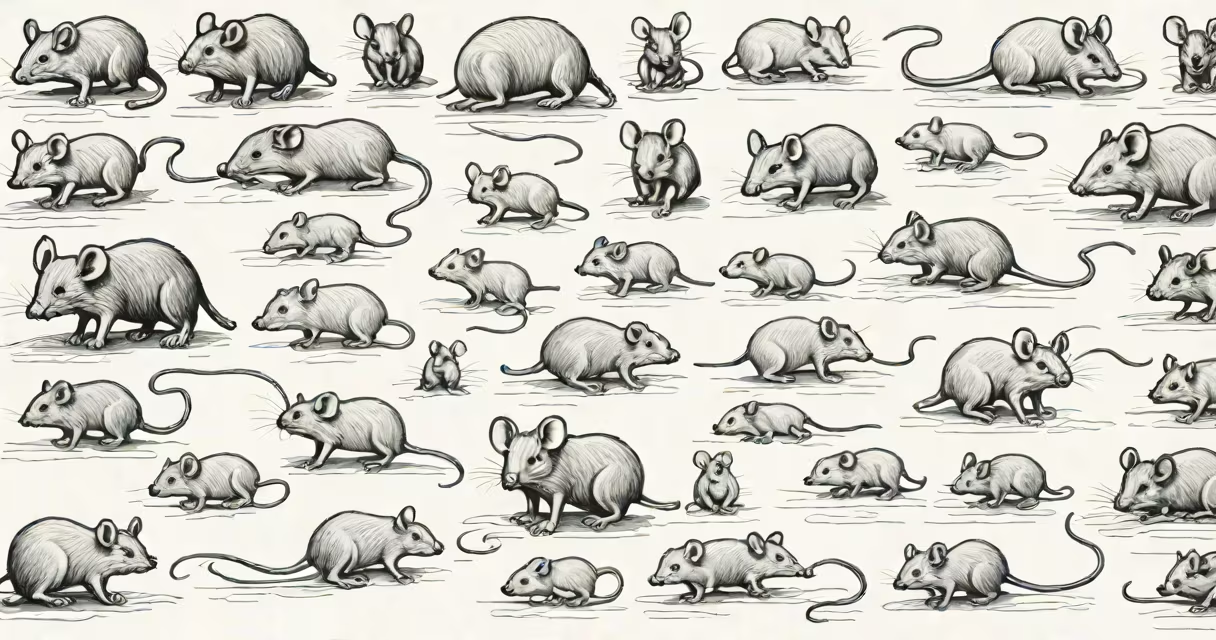
Plural irregular nouns are words that form their plural through internal changes, vowel shifts, or complete root transformations-not by adding -s or -es. These forms do not follow standard English pluralization rules and must be memorized individually.
Unlike regular plurals such as "cat" → "cats" or "box" → "boxes," irregular plurals change in ways that cannot be predicted from spelling or pronunciation. Examples include "man" → "men," "tooth" → "teeth," and "mouse" → "mice."
These forms persist due to historical roots in Old English and Germanic language patterns. Over time, many regular plural formations were lost, leaving behind a set of exceptions that remain in modern usage.
Irregular plurals arise from sound changes, vowel shifts, or morphological remnants of older language stages. They often result from phonetic evolution rather than rule-based addition.
For example, "foot" becomes "feet" through a vowel change known as i-mutation-a historical process where the root vowel alters under stress or inflection. This pattern appears in several Germanic languages and explains why "foot" → "feet" mirrors "goose" → "geese."
Other forms stem from internal restructuring. "Child" becomes "children" via the Old English suffix -en, which was once productive in forming plurals. Though largely obsolete today, this ending survives in a few high-frequency words.
Plural irregular nouns fall into distinct categories based on their formation method. Understanding these groups helps identify patterns and avoid errors.
| Type | Examples | Formation Pattern |
|---|---|---|
| Vowel Change (Ablaut) | tooth - teeth, foot - feet, man - men | Internal vowel shift (e.g., o → ee) |
| Old Suffix Retention | child - children, ox - oxen | Survival of -en plural from Old English |
| Complete Root Change | mouse - mice, louse - lice | Entire word replacement, no predictable pattern |
| Same Singular and Plural | sheep - sheep, deer - deer, fish - fish | Zero plural; no form change regardless of quantity |
Some forms, like "fish," may take -es in formal or scientific contexts (e.g., "three fish species" vs. "five fish"), but in everyday speech, the plural remains unchanged.
A non-obvious distinction: "data" is plural in Latin but treated as singular in modern English. While "datum" is the singular, "data" functions as a mass noun in most contexts: "The data shows a trend" - not "The data show."
Errors often occur when speakers apply regular plural rules to irregular forms. Saying "mouses" instead of "mice" or "foots" instead of "feet" is incorrect in standard English.
Even native speakers misapply these forms. For example, "I saw two foots on the ground" violates standard usage. Correct: "I saw two feet on the ground."
Another frequent mistake is treating collective nouns as plural. "The deer are grazing" is correct because "deer" is both singular and plural. But saying "The deer are eating their fawns" implies multiple deer, which is acceptable only if more than one animal is involved.
Consider this sentence: "The mice gnawed through the wires, causing the lights to flicker." Here, "mice" is the correct plural of "mouse"-not "mouses" or "micees."
Another example: "She bought five pairs of shoes, but only three of them fit." "Shoes" is the plural of "shoe"-a regular plural-but the confusion arises when people assume all plurals follow the -s rule. Not so.
When writing or editing, always verify irregular forms. A quick check against a dictionary or grammar reference prevents errors. Merriam-Webster notes that "mice" and "feet" have been used consistently since the 14th century with no variation in form.
During a recent proofreading session, I corrected a manuscript where "children" was mistakenly written as "childs" in a list of school enrollment numbers. The error was caught during copyediting, highlighting how easily these forms slip through without attention.
Understanding irregular plurals supports mastery of related grammar areas. For instance, irregular plural possessive nouns-like "the children's toys" or "the mice's nests"-require correct apostrophe placement and plural form recognition.
When discussing subject-verb agreement, irregular plurals affect verb choice. "The sheep are in the field" uses a plural verb because "sheep" is plural here. But "The sheep is grazing" treats "sheep" as a single entity-both valid depending on context.
Final note: while some irregular plurals are rare (e.g., "criterion" → "criteria"), others are extremely common. Mastering the most frequent forms-such as "person" → "people," "ox" → "oxen," and "man" → "men"-is essential for clear communication.
Examples of plural irregular nouns are not random-they reflect centuries of linguistic development. Knowing them improves accuracy, clarity, and fluency in both spoken and written English.