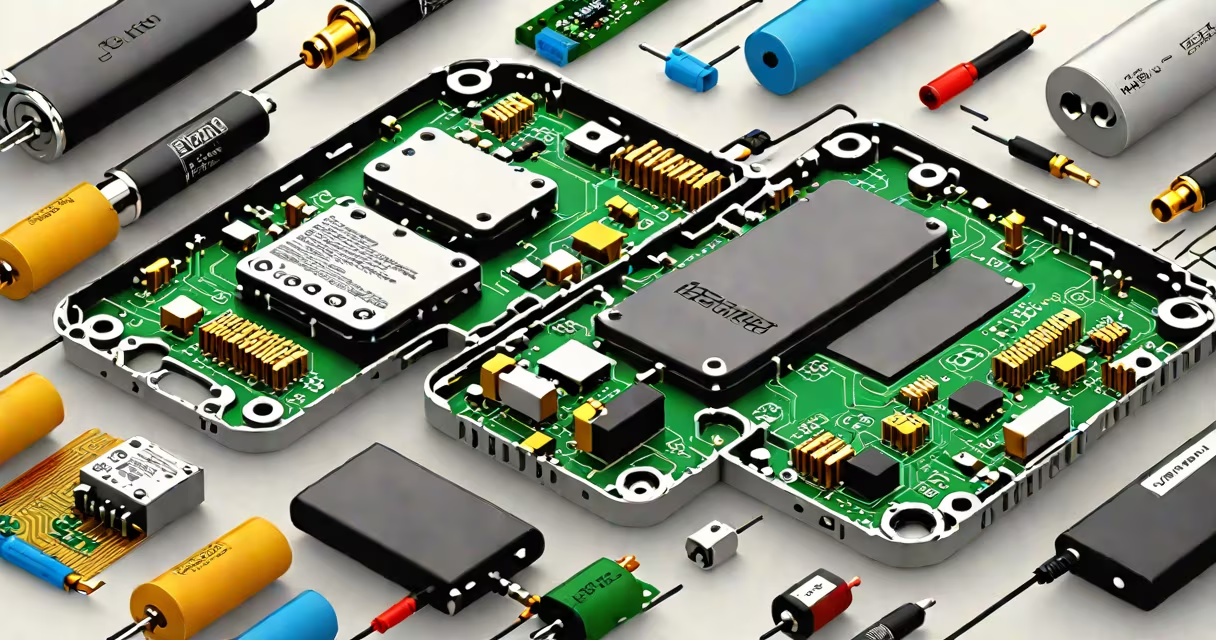
Lithium-ion batteries are rechargeable electrochemical cells that store energy in lightweight, high-capacity formats. They power everything from consumer electronics to electric vehicles due to their high energy density, low self-discharge, and long cycle life.
These batteries are not a single component but a system built around lithium compounds. Their core function is to deliver steady electrical current through controlled chemical reactions between lithium ions and electrode materials. This makes them ideal for applications requiring consistent performance over time.
Common devices using lithium-ion batteries include smartphones, laptops, tablets, smartwatches, power tools, e-bikes, and electric cars. The technology is also embedded in medical devices like insulin pumps and portable defibrillators. Even some home security systems and wireless headphones rely on them.
Lithium-ion batteries operate through the movement of lithium ions between two electrodes-an anode and a cathode-through an electrolyte. During discharge, lithium ions travel from the anode to the cathode, generating electricity. Charging reverses this flow, moving ions back to the anode.
The anode is typically made of graphite, which hosts lithium ions during charging. The cathode uses lithium-containing compounds such as lithium cobalt oxide (LiCoO₂), lithium iron phosphate (LiFePO₄), or lithium nickel manganese cobalt oxide (NMC). The electrolyte-a lithium salt dissolved in organic solvents-facilitates ion transport while blocking electron flow to prevent short circuits.
A separator prevents physical contact between the electrodes while allowing ion passage. A battery management system (BMS) monitors voltage, temperature, and charge levels to ensure safe operation. Without this control layer, overheating or thermal runaway could occur.
Not all lithium-based batteries are lithium-ion. Some are lithium-polymer (LiPo), which differ in form factor and safety profile. However, both types share similar chemistry and are often grouped under the same category in consumer contexts.
| Device Category | Examples | Typical Battery Capacity | Common Cathode Material |
|---|---|---|---|
| Smartphones | iPhone, Samsung Galaxy | 3,000-5,000 mAh | LiCoO₂, NMC |
| Laptops | MacBook, Dell XPS | 4,000-9,000 mAh | NMC, LiMn₂O₄ |
| Electric Vehicles | Tesla Model 3, Ford Mustang Mach-E | 60-100 kWh | NMC, NCA, LFP |
| Power Tools | Makita drill, DeWalt impact driver | 2,000-5,000 mAh | LiCoO₂, NMC |
| E-Bikes & Scooters | Segway Ninebot, Xiaomi Electric Bike | 500-2,000 Wh | LiFePO₄, NMC |
Each device type selects cathode materials based on trade-offs between energy density, cost, safety, and longevity. For example, lithium iron phosphate (LiFePO₄) offers better thermal stability and longer cycle life but lower energy density than cobalt-based chemistries.
Lithium-ion batteries are not limited to handheld devices. They appear in industrial settings such as backup power systems for data centers, grid-scale energy storage, and emergency lighting systems. Some solar-powered streetlights use them to store daytime energy for nighttime use.
Even everyday household items like cordless vacuum cleaners, robotic lawn mowers, and digital photo frames often run on lithium-ion packs. These batteries allow compact designs with extended runtime compared to older NiMH or alkaline options.
A lesser-known but critical application is in aerospace. NASA's Mars rovers, including Perseverance, use lithium-ion batteries to power instruments during the Martian night when solar panels are inactive. The batteries endure extreme cold and low light conditions, demonstrating their resilience beyond Earth.
Many assume all "lithium batteries" are interchangeable. That's false. While lithium-ion batteries dominate consumer electronics, other types exist-like primary lithium cells used in remote controls or smoke detectors. These are non-rechargeable and have different chemistry.
Another misconception is that lithium-ion batteries degrade quickly. In reality, they retain 80% of capacity after 500 charge cycles on average, according to the U.S. Department of Energy. Proper usage-avoiding full discharges and extreme temperatures-can extend lifespan.
There's also confusion between lithium-ion and lithium-metal batteries. Lithium-metal batteries are experimental and not widely available. They offer higher energy density but pose greater fire risks. Lithium-ion remains the standard for mass-market products due to safety and maturity.
Take the iPhone 14 Pro. Its battery holds 3,200 mAh and operates at 3.8 volts. The cell uses a lithium-cobalt oxide cathode and graphite anode. During a typical day, it delivers ~10 hours of screen-on time and supports fast charging up to 20 watts.
When the phone reaches 20% charge, the BMS triggers a warning. At 0%, the device shuts down to protect the battery from deep discharge damage. Over time, the battery's maximum capacity drops-after 1,000 cycles, it may hold only 70% of original capacity.
This behavior reflects design choices: prioritizing safety and longevity over peak performance. Apple's battery health feature tracks degradation and adjusts charging patterns to reduce wear.
Understanding what contains lithium-ion batteries helps users manage device longevity, safety, and disposal. Improper handling-such as puncturing, exposing to heat, or using damaged chargers-can trigger thermal events. Always follow manufacturer guidelines.
As demand grows for clean energy and portable power, lithium-ion batteries remain central to modern life. Their presence spans personal gadgets, transportation, infrastructure, and space exploration-all driven by precise chemistry and engineered safety.