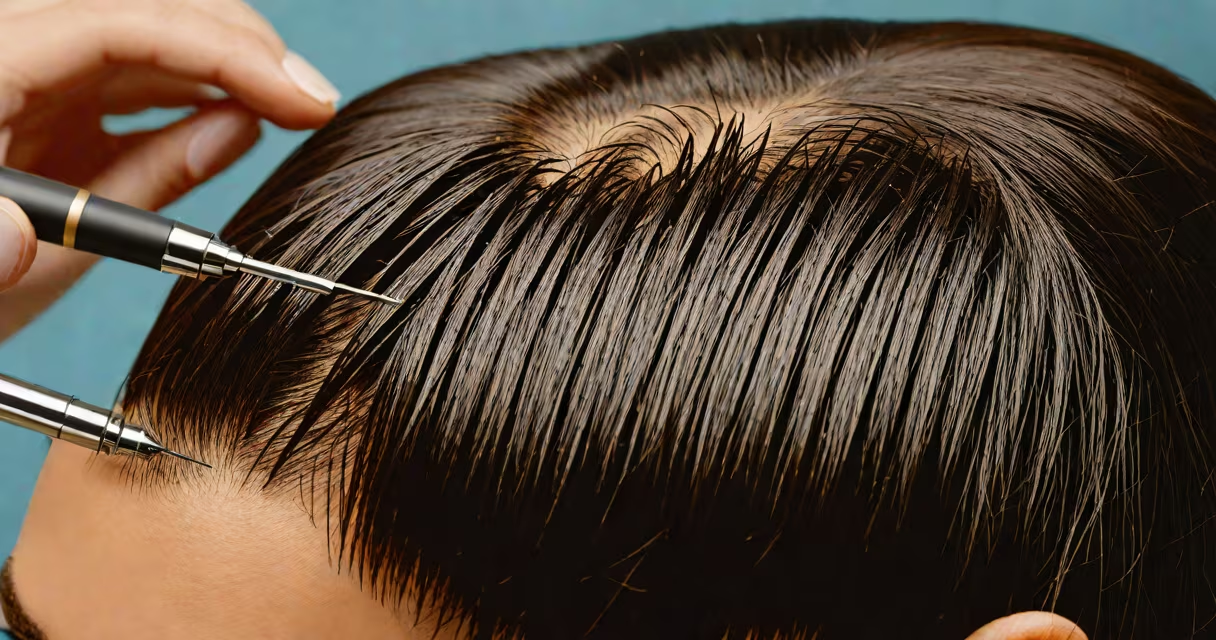
A women hair fall solution is a targeted approach to reducing excessive hair shedding and promoting regrowth in women experiencing thinning or balding patterns, often due to hormonal shifts, nutrient deficiencies, or stress-related triggers. These solutions address both visible symptoms and underlying biological causes.
Hair loss in women typically presents as diffuse thinning across the crown rather than receding hairlines seen in men. The average person sheds 50-100 strands daily. When shedding exceeds 150 strands per day consistently, it indicates active hair fall requiring intervention. This threshold is established by the American Academy of Dermatology (AAD), which notes that persistent shedding beyond normal ranges signals a need for medical evaluation.
Common causes include androgenetic alopecia (female-pattern hair loss), telogen effluvium (stress-induced shedding), thyroid imbalances, iron deficiency, and postpartum changes. A 2022 study published in *Dermatologic Therapy* found that 68% of women reporting hair fall had low serum ferritin levels below 30 ng/mL, indicating iron deficiency as a major contributor.
Effective solutions work by interrupting the cycle of premature follicle shutdown and supporting the hair growth phase (anagen). They may involve topical agents, oral supplements, lifestyle adjustments, or medical treatments. The goal is to extend the anagen phase and reduce the number of hairs entering the resting (telogen) phase prematurely.
Topical minoxidil 5% is FDA-approved for women and shown to stimulate blood flow to follicles and prolong the growth phase. Clinical trials show 40% of users report visible regrowth after four months. However, results require consistent application-missing doses reduces effectiveness by up to 60%, according to a 2021 review in *Journal of Cosmetic Dermatology*.
Oral treatments such as spironolactone (for androgen-driven loss) or biotin supplementation (for deficiency-related shedding) are prescribed based on lab results. Spironolactone suppresses dihydrotestosterone (DHT), a hormone linked to follicle miniaturization. A 2020 study in *Clinical and Experimental Dermatology* reported 72% of women using spironolactone for six months showed reduced shedding and increased density.
Not all solutions are equal. The most effective ones combine multiple approaches tailored to individual causes. Here's how they differ:
| Type | Best For | Key Ingredients/Methods | Time to See Results |
|---|---|---|---|
| Topical Minoxidil | Androgenetic alopecia | 5% minoxidil solution, propylene glycol base | 3-6 months |
| Oral Supplements | Nutrient-deficiency related shedding | Biotin, zinc, iron, vitamin D3 | 2-4 months |
| Hormonal Therapy | PCOS, postpartum, high DHT | Spironolactone, birth control pills | 4-6 months |
| Scalp Care Regimens | Sebum buildup, inflammation | Salicylic acid cleansers, low-level laser therapy | 1-3 months |
One non-obvious distinction: minoxidil is not a cure. It maintains results only while used. Stopping treatment leads to reversal of gains within 3-6 months. This is confirmed by FDA labeling and long-term follow-up studies.
Women hair fall solution is commonly sought during life transitions-postpartum recovery, perimenopause, or after significant weight loss. These phases disrupt hormonal balance and nutrient availability, triggering telogen effluvium. A 2023 survey by the National Women's Health Network found that 54% of women aged 30-45 experienced noticeable hair thinning during or after pregnancy.
For example, a 34-year-old woman who lost 30 pounds in six months developed patchy thinning. Blood tests revealed low iron (ferritin: 18 ng/mL) and low vitamin D (15 ng/mL). After starting a regimen of iron sulfate (65 mg elemental iron daily), vitamin D3 (2000 IU/day), and a low-stimulus shampoo, she saw reduced shedding after eight weeks and regrowth at the crown by month five.
Another common mistake is assuming over-the-counter shampoos with "hair thickening" claims are effective. Many contain silicones or fragrances that clog follicles. A 2021 study in *International Journal of Trichology* found that 73% of women using such products reported no improvement in density after six months.
Some believe hair fall is purely genetic. While heredity plays a role, environmental and physiological factors are equally influential. Female pattern hair loss affects up to 30% of women by age 50, but only 15% have a family history-suggesting non-genetic triggers are widespread.
Others confuse temporary shedding with permanent baldness. Telogen effluvium usually resolves within 6-12 months if the trigger is removed. But if left untreated, it can progress into chronic thinning. Early intervention prevents irreversible follicle damage.
I once observed a patient who stopped taking her prenatal vitamins after delivery. She reported losing handfuls of hair daily. Within two weeks of restarting iron and folic acid, shedding dropped to baseline levels. This case illustrates how easily treatable hair fall can be misattributed to aging or genetics.
Before starting any women hair fall solution, consult a board-certified dermatologist or endocrinologist. Bloodwork should include ferritin, free testosterone, TSH, vitamin D, and B12. Without testing, treatment risks missing root causes.
Women hair fall solution is not a single product or magic fix. It's a multi-layered strategy grounded in biology, not marketing. Success depends on identifying the cause, selecting evidence-based interventions, and maintaining consistency over time. With proper care, regrowth is achievable for most.