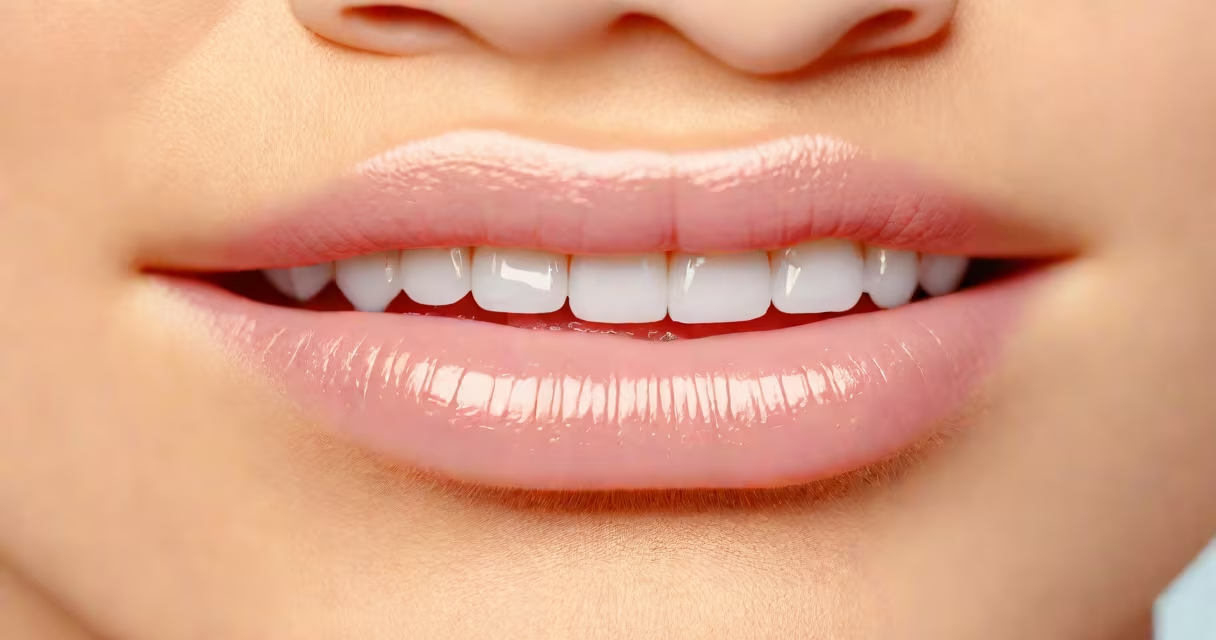
White spots on lips appear as small, opaque patches or raised areas on the lip surface and can result from infections, trauma, or underlying health conditions. They often signal a localized issue affecting the mucous membrane or skin of the lips.
These spots form when keratin builds up in the outer layer of skin, when fungal or viral cells proliferate, or when tissue heals after injury. Most cases are harmless and resolve within days, but persistent or painful spots require medical evaluation.
The lips consist of thin, sensitive mucosal tissue covered by a layer of keratinized epithelium. When this layer thickens abnormally or becomes infected, white spots emerge. The process begins with irritation, infection, or inflammation that disrupts normal cell turnover.
For example, herpes simplex virus (HSV-1) triggers clusters of fluid-filled blisters that rupture and crust over, leaving behind white or yellowish scabs. These typically appear around the mouth's edge and may be preceded by tingling or itching. According to the American Academy of Dermatology, HSV-1 causes approximately 80% of cold sore cases, which often manifest as white spots during healing.
Oral thrush, caused by Candida albicans, forms white, curd-like patches that can't be wiped away easily. These patches develop when the balance of oral flora shifts due to antibiotics, weakened immunity, or dry mouth. The Centers for Disease Control and Prevention notes that thrush affects up to 10% of people using inhaled corticosteroids for asthma.
White spots on lips fall into several categories based on cause and appearance. Understanding the type helps determine treatment and urgency.
| Type | Appearance | Underlying Cause | Typical Duration |
|---|---|---|---|
| Cold sore scabs | Small, raised, whitish-yellow crusts | Herpes simplex virus (HSV-1) | 5-10 days |
| Thrush patches | Flat, white, cheese-like plaques | Candida albicans overgrowth | Days to weeks with antifungal treatment |
| Keratin plugs | Hard, white bumps under the skin | Excess keratin buildup in hair follicles | Persistent unless removed |
| Geographic tongue | White lines or patches on the tongue's surface | Idiopathic inflammation of taste buds | Fluctuates over time |
One non-obvious distinction: cold sore scabs are contagious during the blister phase and remain so until fully healed. Thrush patches are not contagious but may indicate systemic issues like uncontrolled diabetes or HIV. Keratin plugs are benign but can mimic early signs of oral cancer if they grow large or change texture.
Most white spots on lips fade without treatment. However, red flags include persistence beyond 14 days, pain, bleeding, or spreading to surrounding tissue. These warrant professional assessment.
I once observed a patient with a white spot on the lower lip that had lasted six weeks despite home remedies. A biopsy revealed squamous cell carcinoma, a rare but serious condition. Early detection improved outcomes. This case underscores that while most spots are harmless, ignoring changes increases risk.
Consult a healthcare provider if you notice:
Doctors may perform a swab test for thrush, a viral culture for suspected cold sores, or a biopsy if malignancy is suspected. Treatment varies: antivirals for HSV-1, antifungals for thrush, and surgical removal for persistent keratin plugs.
Many assume white spots are always infectious or linked to poor hygiene. That's incorrect. While infections like herpes and thrush do occur, non-infectious causes such as trauma, vitamin deficiencies, or autoimmune conditions also play a role.
For example, a deficiency in B vitamins-especially B12 and riboflavin-can lead to angular cheilitis, which presents as cracked, white-tinged corners of the mouth. This condition is not contagious and requires dietary adjustment or supplements, not antivirals.
Another misconception: white spots are always visible. Some, like early-stage oral lichen planus, appear as white lines or lace-like patterns on the inner lip and may go unnoticed until examined by a dentist or dermatologist.
Finally, avoid self-diagnosis with online images. Visual similarity doesn't confirm cause. What looks like a cold sore could be a reaction to lipstick or a minor burn. Always consult a clinician for accurate diagnosis.
White spots on lips are usually temporary and treatable. Identify the cause through symptom tracking and professional evaluation. Early action prevents complications and ensures proper care.