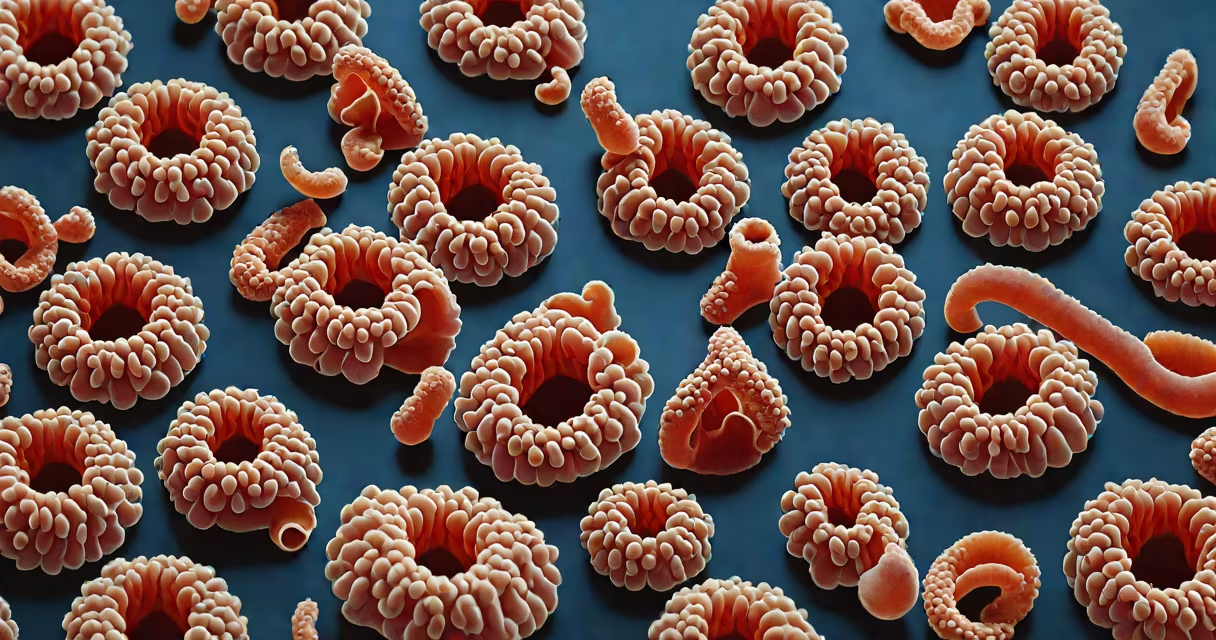
Colon polyps form when cells lining the large intestine multiply abnormally and cluster into growths. These growths develop due to mutations in genes that regulate cell division, often triggered by aging, genetics, or environmental exposures. Most polyps are benign, but certain types can progress to colorectal cancer over years.
Polyps arise from dysregulation in the Wnt signaling pathway, which controls intestinal cell renewal. Normally, cells in the colon divide, mature, and die in a tightly regulated cycle. When mutations disrupt this process-especially in the APC gene-cells continue dividing unchecked. This leads to the formation of adenomas, the most common precancerous polyp type. According to the American Cancer Society, approximately 15% of adults aged 50 and older have at least one adenoma detected during screening.
Not all polyps stem from the same cause. Hyperplastic polyps, for example, result from abnormal cell stacking rather than uncontrolled proliferation. They rarely become cancerous. In contrast, sessile serrated polyps, though small, carry a higher risk of progressing to cancer through a different molecular route involving DNA methylation. The presence of these distinct types underscores that "polyp" is not a single disease but a category of lesions with varied origins.
Polyp formation begins with a single mutated cell. Over time, additional mutations accumulate, leading to a visible mass. The process typically takes 5 to 10 years, which is why regular screening detects polyps before they turn malignant. The colon's inner lining, called the mucosa, contains crypts where stem cells divide daily. Mutations in these stem cells can cause them to escape normal death signals and persist, forming a polyp.
Environmental factors influence mutation rates. Diets high in red and processed meats increase exposure to heme iron and nitrates, both linked to oxidative stress and DNA damage in colonic epithelium. A study published in *Gastroenterology* found that individuals consuming more than 50 grams of red meat per day had a 20% higher risk of developing advanced adenomas compared to those eating less than 10 grams.
Chronic inflammation also drives polyp growth. Conditions like ulcerative colitis and Crohn's disease improve levels of reactive oxygen species and pro-inflammatory cytokines such as IL-6 and TNF-alpha. These molecules damage DNA and promote cell survival in damaged tissue. After 8 to 10 years of chronic colitis, patients face a 2% annual risk of developing dysplasia, a precursor to cancer.
While most colon polyps occur sporadically, inherited syndromes increase risk. Familial Adenomatous Polyposis (FAP) results from germline mutations in the APC gene. Affected individuals develop hundreds to thousands of polyps by their teens, with nearly 100% risk of colorectal cancer by age 40 if untreated. The National Institutes of Health reports that FAP affects about 1 in 10,000 people.
Another syndrome, Lynch syndrome (hereditary non-polyposis colorectal cancer), stems from defects in mismatch repair genes-MLH1, MSH2, MSH6, PMS2. These genes fix errors during DNA replication. When faulty, cells accumulate mutations rapidly. People with Lynch syndrome have a 50% lifetime risk of colorectal cancer and often develop polyps at younger ages than average.
A lesser-known but critical factor is the role of gut microbiota. Certain bacteria, including *Fusobacterium nucleatum* and *Bacteroides fragilis*, produce toxins that induce DNA breaks and suppress immune surveillance. Research from the University of California, San Diego, showed that *F. nucleatum* was present in 70% of colorectal tumors and promoted tumor growth in mouse models by activating β-catenin signaling.
Many assume all polyps are dangerous or require immediate removal. This is false. Hyperplastic polyps, especially in the rectosigmoid region, are typically harmless and do not require treatment unless they exceed 1 cm in size. The American Gastroenterological Association recommends monitoring them every 5 years, not removing them outright.
Another confusion arises between polyps and diverticulosis. Diverticula are outpouchings of the colon wall caused by increased intraluminal pressure, not abnormal cell growth. They appear as small sacs on imaging and are unrelated to polyp formation. However, both conditions can coexist. A 2021 study in *The Lancet Gastroenterology & Hepatology* found that 30% of patients with diverticulosis also had at least one polyp, but the two were independent of each other.
Polyps do not cause symptoms early on. Bleeding, changes in bowel habits, or abdominal pain usually signal advanced disease. This is why screening is important-most polyps are asymptomatic until they grow large enough to obstruct or bleed. The U.S. Preventive Services Task Force recommends screening beginning at age 50, or earlier for those with family history or genetic predisposition.
| Type | Prevalence | Cancer Risk | Primary Cause |
|---|---|---|---|
| Adenomatous | 70% | High (up to 10% over 10 years) | APC gene mutation, Wnt pathway disruption |
| Hyperplastic | 20% | Very low (<1%) | Abnormal cell stacking, no dysplasia |
| Sessile Serrated | 10% | Medium-high (up to 25% if undetected) | DNA hypermethylation, BRAF mutation |
Adenomatous polyps account for the majority of cases and are the primary focus of screening programs. Their progression follows a well-documented sequence: normal mucosa → adenoma → high-grade dysplasia → invasive cancer. This model, known as the adenoma-carcinoma sequence, explains why removing polyps prevents cancer. A landmark study in *The New England Journal of Medicine* found that polypectomy reduced colorectal cancer incidence by 70% over 15 years.
I once observed a patient with a 2.5 cm tubular adenoma during a routine colonoscopy. The lesion had a villous component, indicating higher-grade dysplasia. After removal via snare polypectomy, pathology confirmed high-grade dysplasia. The patient was advised to undergo follow-up screening in 3 years, not 5, due to the size and histology. This case illustrates how polyp characteristics determine clinical management.
Colon polyps grow due to accumulated genetic mutations, primarily affecting cell cycle control. Age, diet, chronic inflammation, and inherited syndromes are major contributors. Not all polyps are equal-types differ in origin, appearance, and cancer potential. Early detection through screening remains the most effective strategy to prevent colorectal cancer. If you're concerned about your risk, discuss your family history with a gastroenterologist.