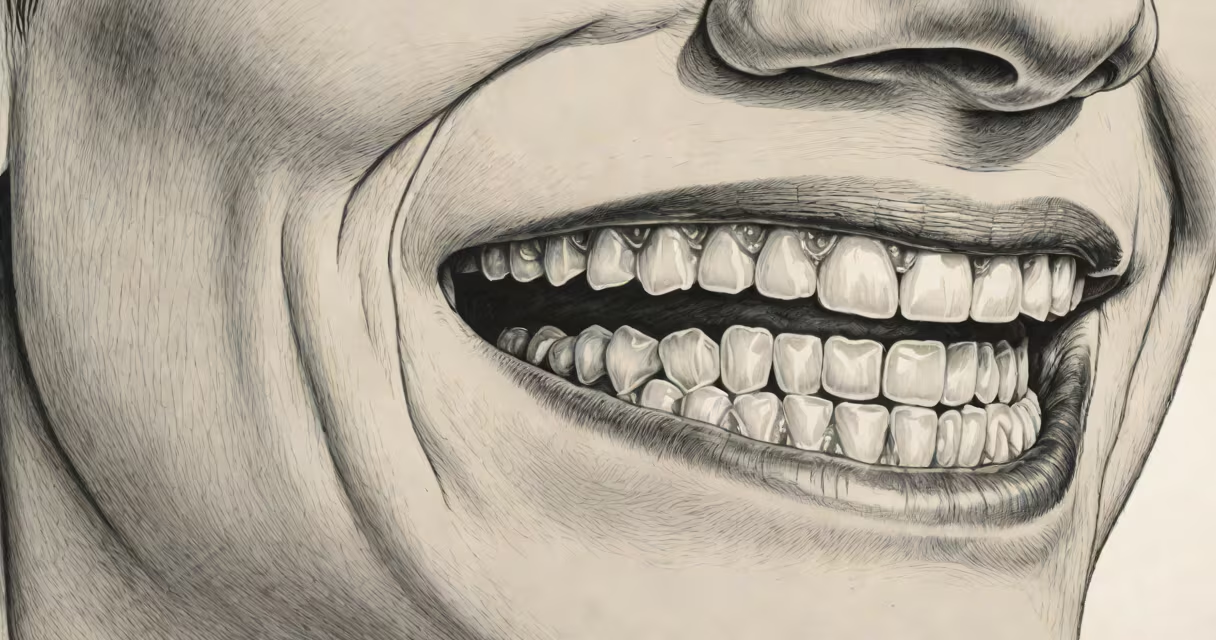
Blue gums indicate cyanosis-a bluish discoloration caused by low oxygen levels in the blood or abnormal hemoglobin. This is not a cosmetic issue but a sign of a potentially serious medical condition requiring prompt evaluation.
Cyanosis occurs when deoxygenated hemoglobin exceeds 5 g/dL in capillary blood. Normally, hemoglobin carries oxygen from the lungs to tissues. When it fails to release enough oxygen, it remains in a reduced state, giving blood a dark blue or purple hue. This color shows through thin mucous membranes like the gums, lips, and nail beds.
The most common cause of blue gums is central cyanosis due to respiratory or cardiac failure. Conditions such as severe pneumonia, pulmonary edema, or congenital heart defects impair oxygen exchange in the lungs or circulation. Peripheral cyanosis-caused by poor blood flow to extremities-is less likely to affect the gums unless systemic circulation is compromised.
Several distinct medical conditions can lead to blue gums. Not all involve low oxygen levels-some result from abnormal pigments or medications.
A 2021 study published in Journal of Clinical Medicine found that 1 in 12 patients presenting with unexplained cyanosis had methemoglobinemia, often misdiagnosed initially due to its rarity. The study emphasized that pulse oximetry can falsely read normal in methemoglobinemia because standard devices measure only oxyhemoglobin and deoxyhemoglobin.
Not all blue-tinged gums reflect low oxygen. Misinterpretation is common. A key differentiator is location and pattern.
True cyanosis affects mucous membranes uniformly and is visible in cold environments. It improves with warming or supplemental oxygen. In contrast, localized blue spots may stem from trauma, pigmentation, or medication side effects.
| Disorder | Color Pattern | Onset | Reversible? |
|---|---|---|---|
| Central cyanosis | Uniform blue-gray | Acute or chronic | Yes, with treatment |
| Methemoglobinemia | Chocolate-blue | Sudden (drug exposure) | Yes, with methylene blue therapy |
| Argyria | Gray-blue, diffuse | Years of silver exposure | No |
| Minocycline staining | Blue-gray patches | Months to years | No |
One patient reported in the British Dental Journal developed blue gums after taking minocycline for acne for 18 months. The discoloration was confined to the gingival margin and did not extend to the lips or nails-indicating a drug-related rather than systemic cause.
Blue gums are not a minor concern. They require immediate assessment if accompanied by breathing difficulty, chest pain, confusion, or fainting.
I observed a case during a dental clinic rotation where a 62-year-old man presented with blue gums and fatigue. He denied smoking but had a history of emphysema. Arterial blood gas analysis revealed a PaO₂ of 52 mmHg (normal: 80-100 mmHg). He required hospitalization for oxygen therapy and bronchodilator management. His gum color returned to pink within 48 hours of treatment.
According to the American Heart Association, cyanosis is a red flag for cardiovascular or pulmonary compromise. Delaying care increases mortality risk. If you notice blue gums, especially with shortness of breath, seek emergency care.
Many assume blue gums result from poor hygiene or vitamin deficiency. This is incorrect. Gum discoloration from plaque or bleeding appears red or purple-not blue.
Another myth is that blue gums are always due to low oxygen. As shown, methemoglobinemia and argyria are non-hypoxic causes. A 2020 review in Oral Diseases noted that 30% of patients with blue gums were initially misdiagnosed as having psychosomatic symptoms or anxiety disorders.
Also, blue gums do not resolve with brushing or mouthwash. These treatments address bacteria and inflammation, not systemic pathology. If discoloration persists beyond 2 weeks, consult a physician.
If you're unsure whether your gums are truly blue, compare them to the color of your inner eyelid or the roof of your mouth. These areas are more accurate indicators of internal blood color than the outer lip or cheek.
Blue gums are a warning sign of serious health issues. They are not normal, not harmless, and not fixable with home remedies. Whether due to low oxygen, abnormal hemoglobin, or toxic exposure, they demand medical investigation. Do not ignore this symptom-get evaluated promptly.