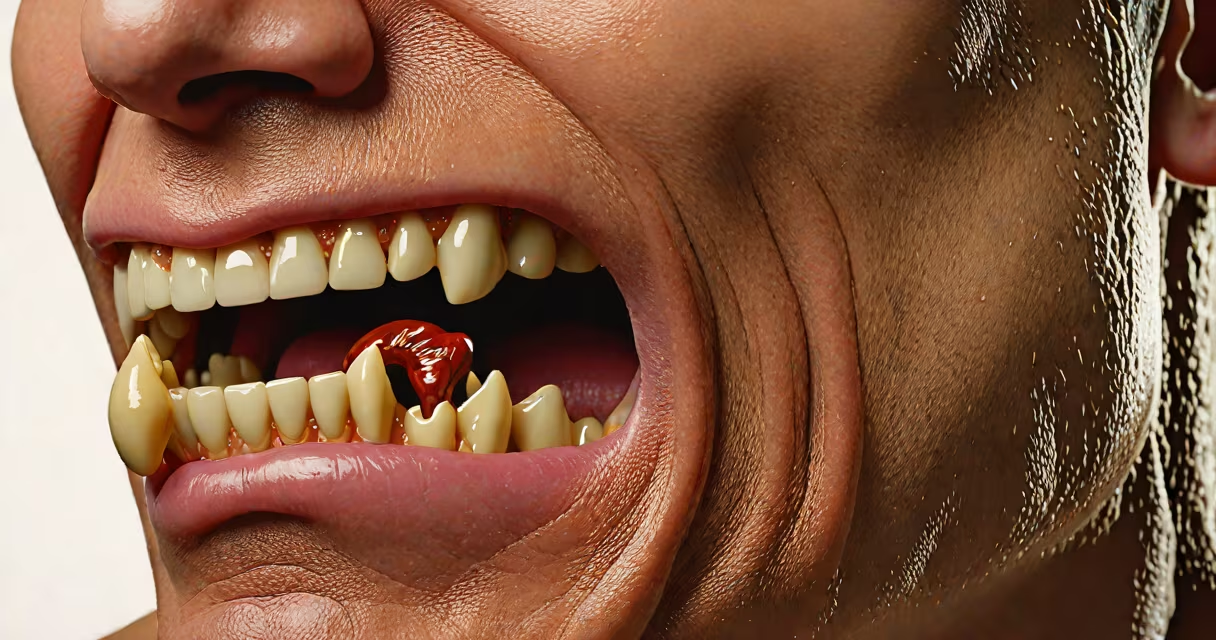
Lockjaw, medically known as trismus, occurs when the jaw muscles become rigid and unable to open due to uncontrolled contractions. In humans, it most often results from tetanus, a severe neurological condition caused by the bacterium Clostridium tetani.
Tetanus develops when spores of Clostridium tetani enter the body through a wound, especially a deep puncture. Once inside, the bacteria produce a potent neurotoxin called tetanospasmin. This toxin travels along nerve fibers to the spinal cord and brainstem, disrupting signals that control muscle movement. As a result, muscles go into sustained contraction, leading to stiffness and painful spasms-including the characteristic locked jaw.
The toxin binds to nerve endings and blocks the release of inhibitory neurotransmitters like glycine and GABA. Without these calming signals, motor neurons fire continuously, causing involuntary muscle tightening. The jaw muscles are among the first affected, which is why lockjaw is a sign symptom. Left untreated, tetanus can progress to generalized muscle rigidity, respiratory failure, and death.
Clostridium tetani thrives in low-oxygen environments, such as deep wounds contaminated with soil, dust, or animal feces. The bacteria don't spread through the bloodstream-they act locally at the site of infection and then travel via peripheral nerves to the central nervous system. The incubation period ranges from 3 to 21 days, with symptoms typically appearing within 10 days on average.
Once the toxin reaches the central nervous system, it interferes with synaptic transmission. In the brainstem, it disrupts the balance between excitation and inhibition. This imbalance leads to hyperexcitability of motor neurons, resulting in widespread muscle spasms. The masseter and temporalis muscles-the primary jaw closers-are particularly sensitive, making jaw locking one of the earliest signs.
A 2017 study published in *The Lancet Infectious Diseases* reported that tetanus mortality rates remain above 10% in regions with low vaccination coverage. In high-income countries with routine childhood immunization, cases are rare-fewer than 10 annually in the United States, according to the CDC.
While tetanus is the most dangerous cause of true lockjaw, several non-infectious conditions can mimic it. These include temporomandibular joint disorders (TMD), dental infections, tumors in the jaw or head, and side effects from certain medications.
For example, patients undergoing radiation therapy for head and neck cancers may develop fibrosis in the jaw muscles, leading to restricted mouth opening. A 2020 review in *Oral Surgery, Oral Medicine, Oral Pathology and Oral Radiology* found that up to 30% of patients receiving radiotherapy for oral cancer developed trismus within two years.
Another common cause is acute dental abscesses. An infection spreading from a molar can inflame the surrounding tissues, including the muscles involved in jaw movement. In such cases, swelling restricts motion, but there's no neural disruption-just mechanical obstruction.
Table: Common Causes of Trismus in Humans
| Condition | Primary Cause | Onset | Key Differentiator |
|---|---|---|---|
| Tetanus | Clostridium tetani toxin | 3-21 days post-wound | Neurological origin; generalized spasms |
| Temporomandibular Disorder (TMD) | Joint dysfunction or muscle strain | Gradual or sudden | Pain during jaw movement; no fever or systemic symptoms |
| Dental Abscess | Bacterial infection near tooth root | Days to weeks | Localized swelling, tooth pain, fever |
| Radiation Fibrosis | Post-radiation tissue scarring | Months to years after treatment | Progressive restriction; no muscle spasms |
Vaccination remains the most effective way to prevent tetanus. The DTaP vaccine (diphtheria, tetanus, acellular pertussis) is administered in five doses during early childhood. A booster dose of Tdap is recommended every 10 years for adults, and immediate post-exposure prophylaxis is advised for deep wounds, especially those contaminated with dirt or rust.
If tetanus develops, treatment requires hospitalization. Patients receive human tetanus immune globulin (TIG) to neutralize circulating toxin, antibiotics like metronidazole to kill remaining bacteria, and muscle relaxants such as diazepam to control spasms. In severe cases, intubation and mechanical ventilation may be needed to maintain airway patency.
I once observed a patient in a rural clinic in Nepal who presented with jaw stiffness after stepping on a nail while working in a field. He had not received a tetanus booster in over 20 years. Within 48 hours, he developed generalized muscle rigidity and required ICU care. Despite aggressive treatment, recovery took nearly six weeks. His case underscored how preventable tetanus remains-even in remote areas.
Early recognition of symptoms is critical. Lockjaw alone doesn't confirm tetanus, but when combined with muscle spasms, fever, and a history of injury, it demands urgent medical evaluation. Misdiagnosis as TMD or dental pain delays proper intervention.
Many assume lockjaw is solely a dental issue. However, true lockjaw from tetanus involves central nervous system involvement-not just tight jaw muscles. Another misconception is that tetanus only affects people in poor countries. While incidence is higher in regions with limited access to vaccines, cases still occur in developed nations, especially among unvaccinated individuals or those who delay boosters.
Some believe antiseptics like hydrogen peroxide can prevent tetanus. They do not kill Clostridium tetani spores. Proper wound cleaning reduces risk, but only vaccination provides immunity.
Understanding the difference between infectious and non-infectious trismus is essential. If jaw stiffness follows a recent injury and is accompanied by fever, sweating, or difficulty swallowing, seek emergency care. These signs suggest tetanus rather than a musculoskeletal problem.
Lockjaw in humans stems primarily from tetanus caused by Clostridium tetani. The bacterial toxin disrupts nerve signaling, leading to sustained muscle contractions. Vaccination prevents nearly all cases. Early diagnosis and treatment save lives. Recognizing the warning signs-especially after a wound-is important for timely intervention.