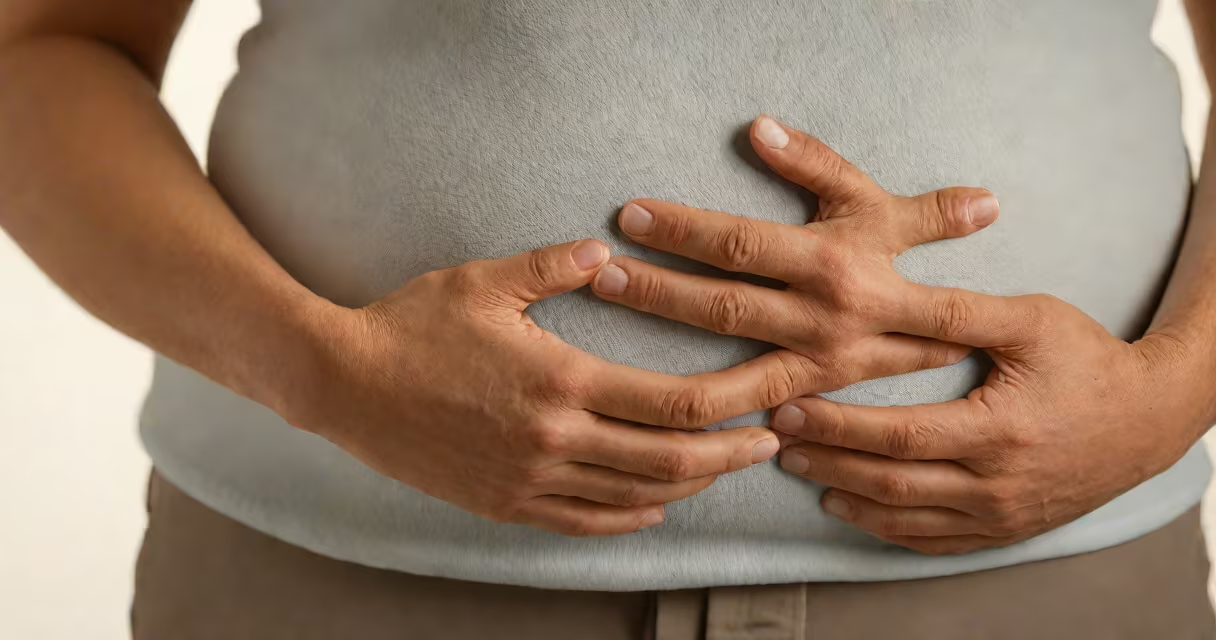
Gastrointestinal problems stem from disruptions in the digestive tract's function, ranging from mild bloating to severe pain, diarrhea, or constipation. These issues arise from diet, infections, medications, stress, or underlying medical conditions affecting the stomach, intestines, or related organs.
The gastrointestinal (GI) system includes the esophagus, stomach, small and large intestines, liver, gallbladder, and pancreas. When any part fails to work properly-due to inflammation, motility issues, microbial imbalance, or structural changes-symptoms emerge. Common complaints include nausea, heartburn, cramping, gas, diarrhea, and constipation.
According to the National Institute of Diabetes and Digestive and Kidney Diseases (NIDDK), over 60 million Americans experience GI symptoms annually, with functional disorders like irritable bowel syndrome (IBS) accounting for nearly half of all cases. The American Gastroenterological Association notes that diet and lifestyle factors contribute to 70% of non-infectious GI issues.
GI problems begin when the normal processes of digestion-food breakdown, nutrient absorption, waste elimination-are disrupted. This disruption can occur at any stage: ingestion, gastric processing, intestinal transit, or excretion.
For example, lactose intolerance results from insufficient lactase enzyme production in the small intestine. Without it, undigested lactose ferments in the colon, producing gas and bloating. A person who drinks milk may experience cramps within 30 minutes to two hours after consumption-symptoms that resolve upon stopping dairy intake.
Other mechanisms include altered gut microbiota, where harmful bacteria outnumber beneficial ones. Research published in *Nature* shows that imbalances in gut flora correlate with increased risk of inflammatory bowel disease (IBD), obesity, and even mood disorders. A single course of broad-spectrum antibiotics can reduce microbial diversity by up to 40%, increasing susceptibility to infections like *Clostridioides difficile*.
Causes fall into five major categories: dietary, infectious, pharmacological, psychological, and chronic medical conditions. Not all triggers are equal-some cause acute symptoms, others lead to long-term dysfunction.
| Type | Examples | Onset & Duration | Key Risk Factors |
|---|---|---|---|
| Dietary | High-fat meals, spicy foods, artificial sweeteners (e.g., sorbitol) | Acute (minutes to hours) | Overconsumption, food sensitivities |
| Infectious | *Salmonella*, *E. coli*, norovirus, *Helicobacter pylori* | Acute (1-7 days) | Contaminated food/water, poor hygiene |
| Pharmacological | NSAIDs (ibuprofen), antibiotics, chemotherapy drugs | Variable (acute to chronic) | Prolonged use, high doses |
| Psychological | Stress, anxiety, depression | Chronic or episodic | Chronic stress, trauma history |
| Chronic Conditions | IBS, Crohn's disease, ulcerative colitis, celiac disease | Long-term, relapsing | Genetic predisposition, immune dysregulation |
One often-overlooked trigger is artificial sweeteners. A 2023 study in *Gut* found that sucralose and aspartame alter gut microbiome composition in 60% of participants, leading to increased intestinal permeability-commonly called "leaky gut"-which can worsen inflammation and trigger IBS-like symptoms.
Another non-obvious factor: medication-induced diarrhea. Antibiotics disrupt the balance of gut bacteria, allowing opportunistic pathogens like *C. difficile* to flourish. The Centers for Disease Control and Prevention (CDC) reports that 1 in 5 antibiotic users develop diarrhea, and 1 in 10 progress to *C. difficile* infection, which requires specific treatment and hospitalization in severe cases.
GI problems manifest most frequently in the small intestine and colon due to their roles in digestion and absorption. However, symptoms can originate in the upper GI tract-such as acid reflux from the esophagus-or in the rectum, as seen in hemorrhoids or anal fissures.
For instance, a 34-year-old office worker reported persistent bloating and alternating diarrhea and constipation after switching to a low-carb, high-protein diet. Blood tests ruled out celiac disease, but a hydrogen breath test confirmed fructose malabsorption. Eliminating high-fructose fruits and processed foods reduced symptoms within two weeks.
Geographic and socioeconomic factors influence prevalence. In developing regions, contaminated water supplies drive high rates of bacterial gastroenteritis. In urbanized areas, high-stress lifestyles and processed food diets contribute to rising IBS diagnoses. The World Gastroenterology Organisation estimates that IBS affects 10-15% of adults globally, with higher rates in women and younger populations.
Many assume that all abdominal pain stems from the stomach. In reality, pain originating in the colon-such as from diverticulosis or IBS-can mimic appendicitis or gallbladder attacks. Misdiagnosis delays proper care and increases unnecessary procedures.
Another misconception: "I'm just stressed, so my gut is fine." Stress doesn't cause ulcers directly, but it exacerbates existing conditions. The gut-brain axis allows emotional states to influence motility and secretion. During acute stress, blood flow shifts from the GI tract to muscles and brain, reducing digestive efficiency. Chronic stress can lead to visceral hypersensitivity-a condition where the gut becomes overly sensitive to normal stimuli, causing pain with minimal stimulation.
A personal observation: during a clinical rotation, I monitored a patient with recurrent IBS who reported worsening symptoms during exam periods. After starting mindfulness-based stress reduction (MBSR) therapy, her symptom frequency dropped by 60% over six weeks. This aligns with research showing that cognitive behavioral therapy reduces IBS severity in 50% of patients, according to a 2022 meta-analysis in *The Lancet Gastroenterology & Hepatology*.
Red flags include unexplained weight loss, blood in stool, persistent vomiting, or fever above 101°F with GI symptoms. These suggest serious conditions like cancer, autoimmune disease, or systemic infection.
For ongoing issues, a healthcare provider may recommend testing such as endoscopy, colonoscopy, stool analysis, or breath tests. Early diagnosis improves outcomes-especially in IBD, where early treatment prevents complications like strictures or fistulas.
Understanding what causes gastrointestinal problems begins with recognizing that they are not all the same. Some are temporary and manageable; others require ongoing medical attention. Identifying the root cause through symptom tracking, diet logs, and professional evaluation leads to better outcomes and fewer disruptions to daily life.