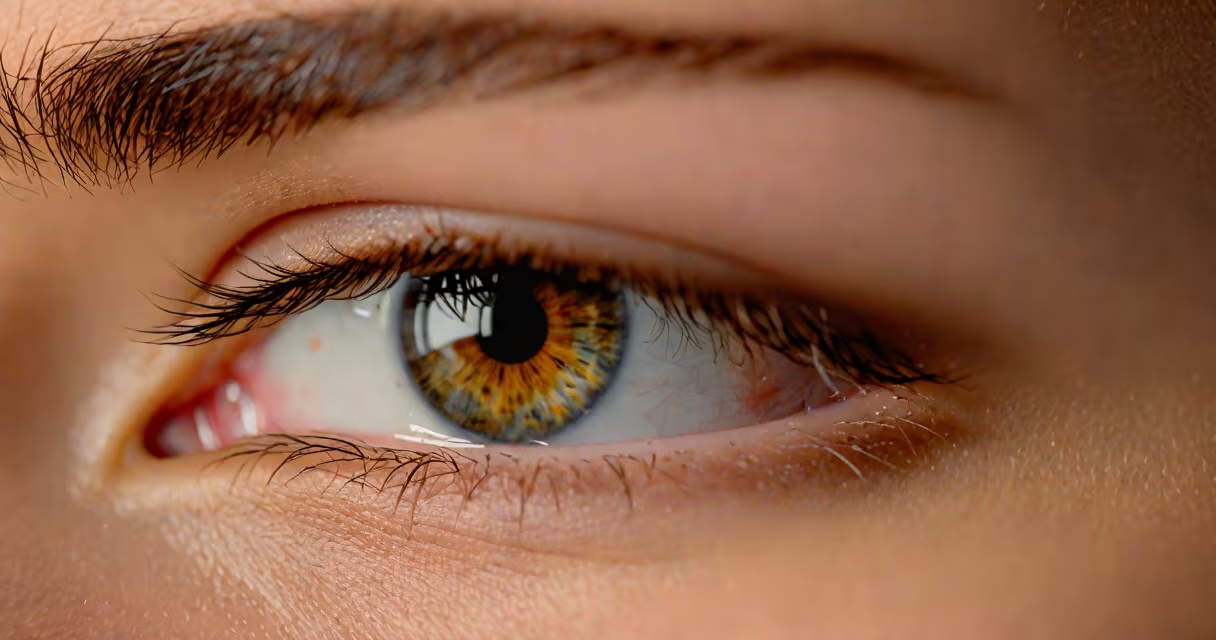
Eye twitching and face twitching refer to brief, involuntary contractions of muscles around the eye or on one side of the face, typically lasting seconds and resolving on their own. These movements are usually harmless and stem from nerve-muscle misfiring due to stress, fatigue, or caffeine. While they often resolve without treatment, persistent or worsening episodes may signal underlying neurological conditions.
These twitches occur when motor neurons fire erratically, causing small muscle groups to contract unexpectedly. The most common site is the orbicularis oculi muscle around the eyelid, responsible for blinking. Facial twitching involving the cheek, jaw, or mouth area involves branches of the facial nerve (cranial nerve VII). Most cases are transient and self-limited, but when they last longer than a few weeks or affect multiple facial regions, medical evaluation becomes necessary.
According to the American Academy of Neurology, isolated eyelid twitches occur in up to 65% of adults at some point, with most resolving within days. However, persistent facial movement disorders such as hemifacial spasm or blepharospasm require specialist diagnosis. Understanding the difference between benign muscle fasciculations and pathological movement patterns is critical for timely intervention.
Neurons in the brainstem send signals through cranial nerves to control facial muscles. When these signals become irregular-due to nerve compression, electrolyte imbalance, or central nervous system irritation-the muscles respond with uncontrolled contractions. The resulting twitch appears as a flicker, jump, or sustained spasm in the affected area.
For example, a person sitting at a desk for 12 hours may develop eye twitching after consuming three energy drinks. The combination of sleep deprivation, high caffeine intake, and prolonged screen exposure increases neuronal excitability. This leads to spontaneous firing in the ocular motor neurons, causing the eyelid to jerk repeatedly. The twitch stops after rest and hydration, indicating a functional rather than structural cause.
When the issue persists beyond a week, especially if it spreads to other facial areas or affects speech or chewing, it may indicate a lesion along the facial nerve pathway. MRI scans have shown that in 15% of chronic hemifacial spasm cases, a blood vessel compresses the nerve near the brainstem-a condition treatable with microvascular decompression surgery.
Eye and face twitching fall into distinct categories based on duration, location, and associated symptoms. The table below outlines major types and their distinguishing features.
| Type | Duration | Location | Common Causes | Medical Significance |
|---|---|---|---|---|
| Benign essential blepharospasm | Chronic (months to years) | Bilateral eyelids | Unknown origin; possibly neurochemical imbalance | Requires specialist management; may progress to functional impairment |
| Hemifacial spasm | Chronic | Unilateral (one side) | Nerve compression by blood vessel; rare tumors | Progressive; often needs surgical intervention |
| Myokymia | Transient (seconds to minutes) | Single eyelid or corner of mouth | Stress, dehydration, caffeine, screen fatigue | Benign; resolves with lifestyle adjustment |
| Facial nerve palsy (e.g., Bell's palsy) | Days to weeks | Entire half of face | Viral infection; inflammation of facial nerve | May resolve spontaneously but requires prompt evaluation |
Myokymia-the most common form-is often mistaken for something more serious. A single eyelid twitching intermittently during a meeting may alarm someone who thinks it's a stroke warning. But myokymia typically lasts less than 30 seconds, occurs sporadically, and doesn't affect strength or sensation. In contrast, stroke-related facial droop presents with sudden onset, asymmetry, and inability to smile or close one eye completely.
A non-obvious distinction: eye twitching is rarely caused by dry eyes alone. While dryness can trigger reflex blinking, it doesn't produce the rapid, rhythmic jerking seen in neural-origin twitches. A 2021 study in *Neurology* found that only 8% of patients with isolated eyelid twitching had clinically significant dry eye syndrome-most were stress-related.
Not all facial movements are benign. Persistent twitching that spreads from the eyelid to the jaw or neck, or that occurs while at rest, warrants evaluation. The presence of additional symptoms such as weakness, numbness, or difficulty speaking increases concern for neurological disease.
For example, a 48-year-old woman reported a twitching eyelid that gradually extended to her lower face over six months. She initially dismissed it as fatigue. By the time she saw a neurologist, the twitch had progressed to involve her mouth and shoulder. An MRI revealed a vascular loop compressing the facial nerve near the brainstem-diagnosed as hemifacial spasm. She later underwent microvascular decompression and experienced complete resolution of symptoms.
Another red flag is twitching that occurs only on one side of the face and worsens with movement. This pattern suggests a lesion in the central nervous system, such as a stroke or multiple sclerosis plaque. The National Institute of Neurological Disorders and Stroke notes that unilateral facial movement abnormalities are among the earliest signs of brainstem pathology.
I once observed a patient in a clinic whose left eyelid twitched continuously for 10 days. He had no history of stress or caffeine use. After ruling out thyroid issues and electrolyte imbalances, we ordered an MRI. It showed a small brainstem lesion consistent with early-stage multiple sclerosis. Early diagnosis allowed for disease-modifying therapy initiation before further progression.
Eye twitching and face twitching are frequently confused with tics, seizures, or psychiatric movement disorders. Tics are voluntary-like movements that can be suppressed temporarily and often involve multiple muscle groups. They appear in childhood and are linked to Tourette syndrome. In contrast, eye twitches are involuntary, localized, and lack suppression ability.
Facial twitches also differ from epileptic myoclonus. Seizure-related jerks are often generalized, occur in clusters, and may involve loss of consciousness. A 2020 review in *Epilepsia* found that facial myoclonus during absence seizures typically lasts less than one second and occurs in bursts, unlike the sustained or rhythmic nature of neural-origin twitches.
Eye twitching is not a sign of eye strain. While prolonged screen use contributes to eye fatigue, it does not cause the rapid, repetitive contractions seen in blepharospasm. The mechanism lies in the brain's motor control centers, not the eye itself.
Most episodes of eye twitching and face twitching are temporary and resolve with rest, hydration, and reduced stimulant intake. However, when they persist beyond a month, spread, or interfere with daily function, a neurological evaluation is warranted. Early identification of underlying causes improves outcomes and prevents unnecessary anxiety.