Low blood oxygen, or hypoxemia, occurs when oxygen levels in the bloodstream fall below normal. This condition can impair organ function and lead to serious health issues if untreated. Early recognition of symptoms is critical for timely medical intervention.
Oxygen enters the body through the lungs and binds to hemoglobin in red blood cells. These cells then carry oxygen to tissues and organs. When lung function declines or circulation is impaired, less oxygen reaches important systems. The body responds with physiological changes to compensate, which manifest as observable symptoms.
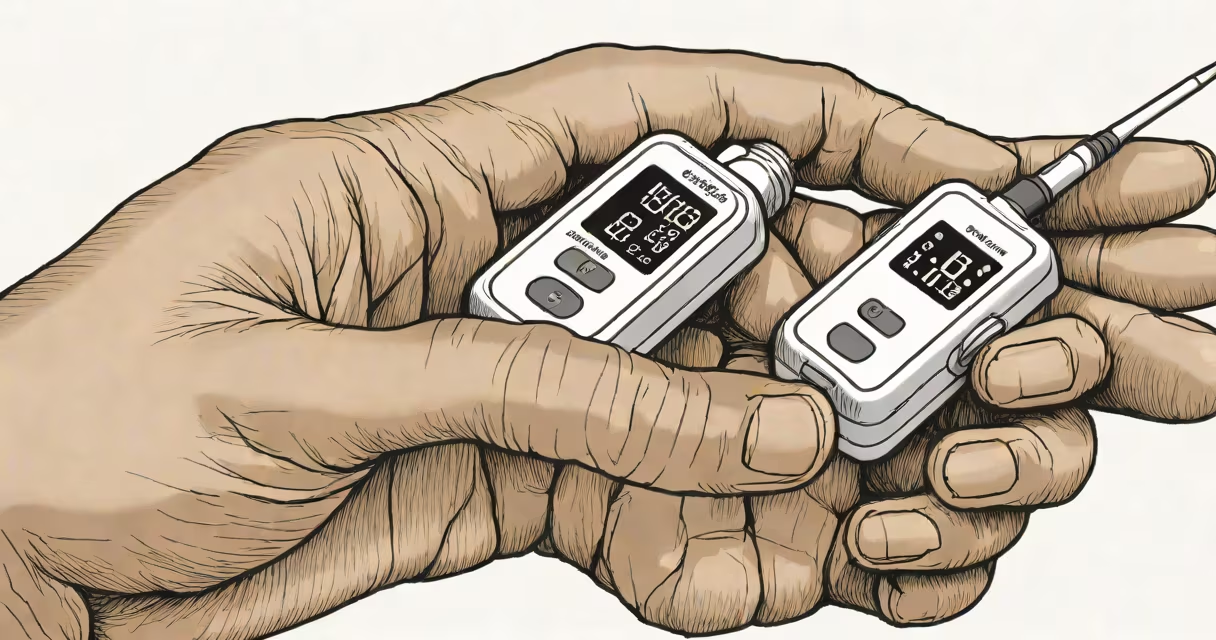
Normal arterial oxygen saturation ranges from 95% to 100%. Levels below 90% indicate hypoxemia. At 85%, cognitive function begins to decline. Below 80%, risk of organ damage increases. Pulse oximeters measure this saturation non-invasively using light absorption at the fingertip.
A 2021 study published in *The Lancet Respiratory Medicine* found that patients with oxygen saturation below 90% during acute respiratory infections had a 3.6 times higher risk of requiring intensive care compared to those above 90%.
The most common symptom is shortness of breath, especially during exertion. This occurs because the body demands more oxygen during activity, and reduced supply triggers faster, shallower breathing. A person may feel unable to catch their breath even at rest if levels are severely low.
Cyanosis-the bluish tint under fingernails or around lips-is a visible sign of poor oxygenation. It results from deoxygenated hemoglobin absorbing light differently. Not all individuals show this visibly; people with darker skin tones may have subtler changes, such as grayish discoloration in mucous membranes.
Confusion, dizziness, and fatigue arise due to inadequate oxygen delivery to the brain. A 2019 study in *Critical Care* reported that 68% of ICU patients with hypoxemia exhibited altered mental status upon admission. Memory lapses and difficulty concentrating often precede overt disorientation.
Increased heart rate (tachycardia) is a compensatory mechanism. The heart pumps faster to deliver more oxygen-rich blood. Persistent tachycardia at rest may signal chronic hypoxemia, particularly in patients with COPD or heart failure.
Headaches, especially morning ones, can result from overnight drops in oxygen levels. Sleep apnea sufferers often report waking with headaches due to repeated episodes of low oxygen during sleep.
Some people experience chest pain or pressure, mimicking cardiac events. This happens when the heart muscle itself lacks sufficient oxygen, a condition known as myocardial ischemia. It's not always related to blocked arteries-hypoxemia can trigger it independently.
Hypoxemia is categorized by cause. Hypoxic hypoxia occurs when inspired air has low oxygen content-common at high altitudes. Anemic hypoxia stems from low hemoglobin, seen in severe anemia or carbon monoxide poisoning. Circulatory hypoxia involves poor perfusion, such as in shock or heart failure. Histotoxic hypoxia results from cellular inability to use oxygen, as in cyanide poisoning.
Each type presents slightly different symptom patterns. For example, carbon monoxide poisoning causes cherry-red skin instead of cyanosis because carboxyhemoglobin reflects light differently. This misleads clinicians who rely on color cues alone.
| Type | Primary Cause | Distinctive Symptoms |
|---|---|---|
| Hypoxic | High altitude, lung disease | Shortness of breath, rapid breathing |
| Anemic | Severe anemia, CO poisoning | Fatigue, pale skin, headache |
| Circulatory | Shock, heart failure | Cold extremities, weak pulse, confusion |
| Histotoxic | Cyanide exposure | Altered consciousness, seizures |
Many assume that low oxygen only affects the lungs. In reality, it impacts every organ system. The brain is especially sensitive-neurons begin dying within minutes of oxygen deprivation. Even brief episodes can cause permanent cognitive deficits.
Another error is equating low oxygen with low carbon dioxide. These are independent measures. A person can have low oxygen and normal or high CO₂ levels, especially in chronic lung diseases. Arterial blood gas tests are needed to assess both.
Some believe that mild hypoxemia is harmless. But research shows that sustained levels below 92% correlate with increased mortality in older adults. A 2020 longitudinal study in *JAMA Internal Medicine* found that patients with persistent SpO₂ between 88% and 92% had a 2.3-fold higher risk of death over five years compared to those above 94%.
In 2022, a 67-year-old man with a history of emphysema visited his primary care provider complaining of increasing fatigue and occasional dizziness. He denied chest pain but noted he felt winded walking up one flight of stairs-a change from previous months.
His pulse oximeter read 89% at rest. A follow-up arterial blood gas showed PaO₂ of 58 mmHg (normal: 80-100 mmHg). He was diagnosed with chronic hypoxemia secondary to COPD exacerbation. After starting supplemental oxygen therapy, his energy improved within 48 hours, and his SpO₂ rose to 94%.
This case illustrates how subtle symptoms can signal significant underlying issues. Without testing, the patient might have delayed treatment until hospitalization became necessary.
If oxygen saturation falls below 90% at rest, or drops below 92% during activity, consult a healthcare provider immediately. Emergency care is required if SpO₂ remains below 88% despite supplemental oxygen.
Seek urgent evaluation if symptoms include severe confusion, inability to speak in full sentences, or chest pain. These may indicate impending respiratory or cardiac failure.
For those managing chronic conditions like COPD or heart failure, regular monitoring of oxygen levels is essential. Home pulse oximetry devices are widely available and cost between $20 and $50. They provide real-time feedback on oxygenation status.
Symptoms of low blood oxygen overlap with other disorders. For example, nausea and lightheadedness can stem from dehydration or low blood pressure. However, hypoxemia typically includes dyspnea and altered mental status-not just fatigue.
Confusion caused by hypoxemia differs from delirium due to infection or medication side effects. Hypoxemic confusion resolves quickly with oxygen supplementation, while infection-related delirium persists unless treated appropriately.
People sometimes mistake low oxygen symptoms for anxiety. Panic attacks can mimic shortness of breath and rapid breathing. But anxiety-induced tachypnea usually resolves with calming techniques, whereas hypoxemia worsens without oxygen support.
Recognizing symptoms of low blood oxygen enables early diagnosis and prevents progression to life-threatening states. Common signs include breathlessness, confusion, fatigue, and cyanosis. Not all cases present dramatically-some develop gradually, making routine monitoring important.
Do not ignore persistent symptoms. If you or someone else experiences unexplained shortness of breath, dizziness, or bluish skin, seek medical evaluation promptly. Early action improves outcomes and reduces hospitalization risk.