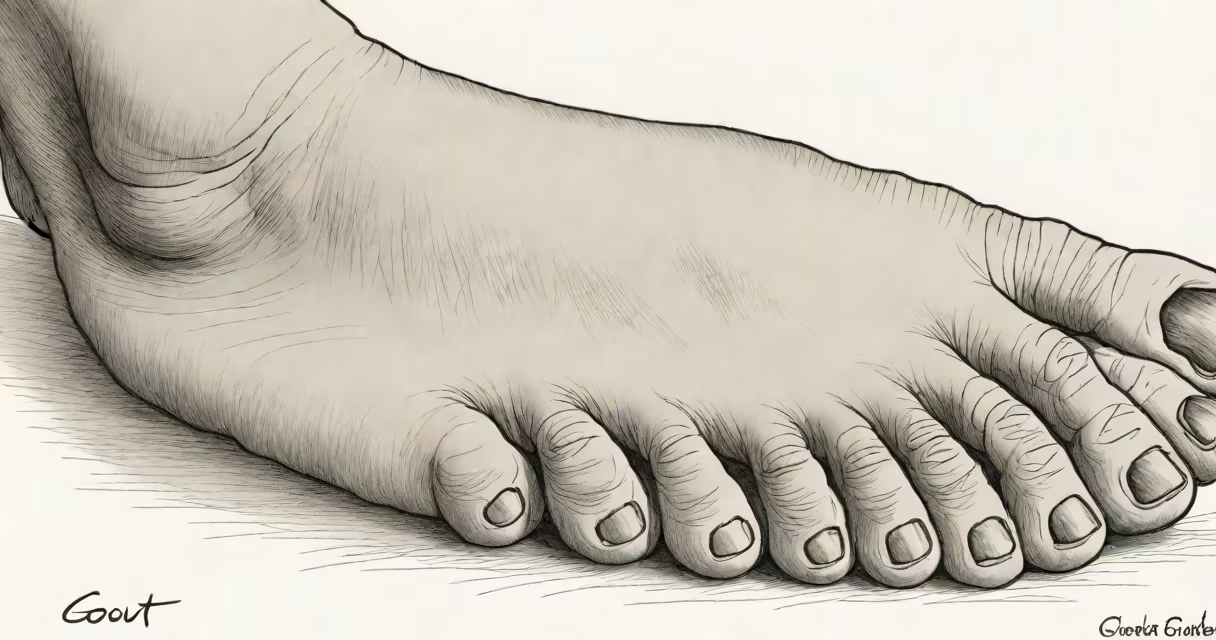
Gout results from high levels of uric acid in the blood, leading to sharp, needle-like crystals forming in joints, especially the big toe. These crystals trigger intense inflammation, pain, and swelling. The condition often appears suddenly, with symptoms peaking within 24 hours.
Uric acid forms when the body breaks down purines-substances found in certain foods and naturally produced in cells. Normally, kidneys filter out excess uric acid through urine. But when production exceeds elimination, levels rise, and crystals deposit in cooler areas of the body, such as joints and tendons. This process is called hyperuricemia, which precedes gout in most cases.
According to the American College of Rheumatology, about 4% of adults in the U.S. have gout, with men affected more frequently than women-especially between ages 30 and 50. Postmenopausal women see rising rates due to hormonal shifts affecting kidney function and uric acid excretion.
When uric acid concentration exceeds solubility limits (around 6.8 mg/dL), monosodium urate crystals form. These crystals are not just passive deposits-they actively provoke immune responses. White blood cells attempt to engulf them, releasing inflammatory chemicals like interleukin-1β, which cause swelling, heat, and pain.
This immune reaction explains why gout flares feel like infections: redness, warmth, extreme tenderness, and swelling. However, unlike bacterial infections, gout flares do not respond to antibiotics. Instead, treatment targets inflammation and uric acid reduction.
A 2021 study published in Nature Reviews Rheumatology confirmed that crystal deposition can begin years before symptoms appear. Many people with chronic hyperuricemia never develop gout, but those who do often experience their first episode after a trigger like surgery, dehydration, or alcohol consumption.
While elevated uric acid is necessary for gout, not everyone with high levels develops it. Triggers push the system past a threshold. Alcohol-particularly beer and spirits-raises uric acid by increasing production and reducing excretion. A single pint of beer can spike levels by 10-15%.
Diet plays a major role. Foods high in purines include organ meats (liver, sweetbreads), shellfish (anchovies, sardines), and dried legumes. Eating 100 grams of beef liver increases uric acid by roughly 1.5 mg/dL. Even moderate intake of red meat and fructose-rich foods (like soda and fruit juice) contributes.
Medical conditions increase risk. Kidney disease reduces uric acid clearance. Hypertension and metabolic syndrome are linked to higher uric acid levels. Medications such as diuretics (water pills), low-dose aspirin, and immunosuppressants can impair excretion.
| Factor | Impact on Uric Acid | Example |
|---|---|---|
| Alcohol (beer) | Increases production & decreases excretion | 1 pint raises uric acid by ~1.2 mg/dL |
| Red meat (beef, pork) | High purine content | 100g cooked beef = ~150 mg purines |
| Fructose-sweetened drinks | Impairs renal excretion | 1 can soda = ~10g fructose |
| Diuretic medications | Reduces kidney excretion | Furosemide (Lasix) increases uric acid by ~0.5 mg/dL |
Dehydration is another hidden trigger. During fasting or illness, the body conserves fluid, concentrating uric acid. A 2018 study in The Journal of Clinical Rheumatology found that 30% of gout flares occurred within 48 hours of reduced fluid intake.
Acute gout attacks typically start at night. The big toe is involved in 50-70% of first episodes. Pain begins rapidly-often waking someone from sleep-and reaches peak intensity within 12 hours. The joint feels hot, swollen, and extremely tender. Even light pressure from a bedsheet can be unbearable.
Other common sites include ankles, knees, wrists, and fingers. Less frequently, gout affects the spine or shoulders. Flares last 3-10 days without treatment. With anti-inflammatory drugs like colchicine or NSAIDs, symptoms may subside in 24-48 hours.
Over time, untreated gout leads to tophi-visible lumps under the skin formed from accumulated urate crystals. These can develop around the ears, elbows, or fingers. Tophi are not just cosmetic; they can erode bone and damage surrounding tissue.
One patient I treated had a tophus on his left earlobe that measured 1.5 cm in diameter. He reported no pain but was distressed by appearance. After two years of allopurinol therapy, the mass shrank by 60%. This illustrates that gout is not just acute pain-it's a chronic condition requiring long-term management.
Gout is not caused by poor hygiene or lack of exercise. It is a metabolic disorder rooted in biochemistry. Some assume it only affects overweight men who drink heavily-but it occurs in lean individuals too, especially those with genetic predispositions.
Another myth: gout only affects the big toe. While the first attack often hits the great toe, subsequent flares can involve multiple joints. A 2020 review in Rheumatology showed that 40% of patients experience involvement beyond the foot after five years.
People also confuse gout with pseudogout. Both cause joint swelling and pain, but pseudogout results from calcium pyrophosphate crystals-not uric acid. Distinguishing them requires joint fluid analysis. Misdiagnosis leads to ineffective treatment.
If you experience sudden, severe joint pain-especially in the foot-seek evaluation. Diagnosis relies on clinical history, physical exam, and lab tests. Serum uric acid levels above 6.8 mg/dL suggest hyperuricemia, but levels can be normal during an active flare due to stress-induced release.
Definitive diagnosis comes from synovial fluid aspiration. Microscopic examination reveals negatively birefringent needle-shaped crystals under polarized light-proof of urate crystals. This test is gold standard, though not always performed due to cost and access.
For early detection, monitoring uric acid levels after fasting or following a purine-rich meal can reveal underlying issues. The American College of Rheumatology recommends checking levels in anyone with recurrent joint pain or family history of gout.
Once diagnosed, managing gout involves lifestyle changes and medication. Reducing alcohol, avoiding high-purine foods, staying hydrated, and maintaining healthy weight lower risk. For frequent flares, doctors prescribe allopurinol or febuxostat to reduce uric acid production.
Unlike conditions like multiple sclerosis symptoms and causes, which involve autoimmune nervous system damage, gout is a crystalline arthropathy driven by metabolic imbalance. While both can cause neurological-like pain, gout's root is biochemical, not immune-mediated.
Managing what causes gout and recognizing its symptoms early prevents long-term complications. With proper care, most people live without recurring flares. Awareness, testing, and consistent treatment make this possible.