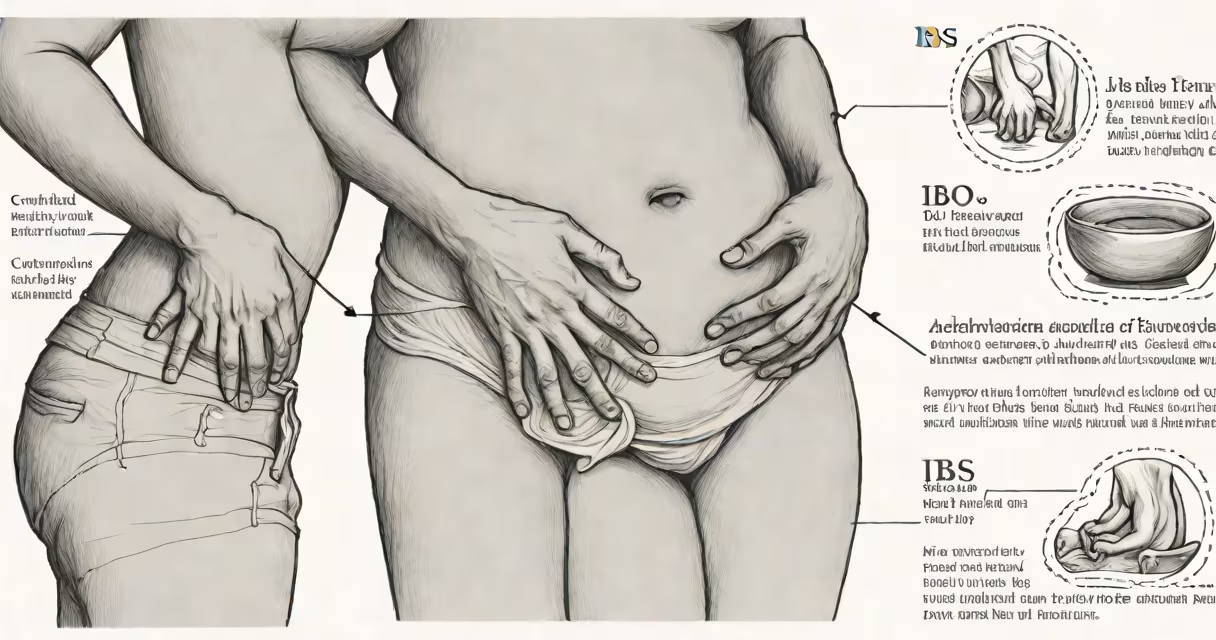
Irritable bowel syndrome with diarrhea (IBS-D) is a chronic gastrointestinal disorder marked by recurrent abdominal pain and frequent loose or watery stools. It affects approximately 10% of adults globally, with women twice as likely to be diagnosed as men, according to the Rome Foundation.
IBS-D is a subtype of irritable bowel syndrome characterized by alternating or persistent diarrhea. Unlike inflammatory bowel diseases such as Crohn's or ulcerative colitis, IBS-D involves no visible intestinal damage. Instead, symptoms arise from altered gut motility, visceral hypersensitivity, and changes in gut microbiota. The condition often begins in adolescence or early adulthood and persists for years without structural progression.
Diagnosis relies on symptom patterns rather than lab tests. The Rome IV criteria require abdominal pain related to defecation, with at least two of the following: stool frequency change, stool form change (loose or watery), or passage of mucus. These criteria distinguish IBS-D from functional diarrhea or other conditions with similar presentations.
The primary symptoms include abdominal pain or discomfort that improves after bowel movements, along with loose or watery stools occurring at least three days per month over the past three months. Pain typically occurs in the lower abdomen and may be described as cramping, sharp, or dull. The pain often resolves after defecation, unlike in constipation-predominant IBS where pain worsens after bowel movements.
Frequent bowel movements-three or more per day-are common. Stools are often unformed or liquid, sometimes containing mucus. Patients report urgency, feeling unable to delay going to the bathroom. This urgency can disrupt daily routines, especially during travel or work hours.
Bloating and gas are frequently reported, though not always present. A 2021 study published in *Gastroenterology* found that 68% of IBS-D patients experienced bloating, compared to 42% in IBS with constipation. Bloating tends to peak in the evening and may improve after defecation. Some individuals describe a sensation of fullness or distension that worsens after meals.
Diet plays a major role in symptom onset. High-FODMAP foods-fermentable oligosaccharides, disaccharides, monosaccharides, and polyols-trigger symptoms in many patients. Examples include onions, garlic, wheat, dairy, apples, and artificial sweeteners like sorbitol. A low-FODMAP diet reduces symptoms in up to 70% of cases, according to research from Monash University.
Stress and anxiety are significant contributors. The brain-gut axis mediates this relationship: emotional stress alters gut motility and sensitivity. A 2020 review in *Neurogastroenterology & Motility* confirmed that psychological distress correlates strongly with symptom severity in IBS-D, independent of dietary factors.
IBS-D is often mistaken for food intolerances, small intestinal bacterial overgrowth (SIBO), or microscopic colitis. Unlike SIBO, which shows elevated hydrogen breath test results, IBS-D lacks objective markers. Microscopic colitis presents with persistent diarrhea but shows inflammation under a microscope, which is absent in IBS-D. The absence of blood in stool, weight loss, or fever helps rule out inflammatory conditions.
| Symptom | IBS-D | Crohn's Disease | Food Intolerance |
|---|---|---|---|
| Abdominal pain pattern | Improves after bowel movement | Persistent, often worse at night | Occurs within 30 minutes of eating |
| Stool consistency | Loose or watery, often urgent | May alternate between loose and formed | Varies by food; often normal between episodes |
| Blood in stool | Never | Common | Uncommon |
| Weight loss | No | Yes, in active disease | No |
A 29-year-old woman reports six months of cramping abdominal pain, loose stools three times daily, and urgency. She notes symptoms began after a stressful job change. Her stool contains mucus but no blood. She has lost no weight and has no fever. Colonoscopy showed normal mucosa. Blood tests ruled out celiac disease and thyroid dysfunction.
Her symptoms meet Rome IV criteria: pain related to defecation, loose stools, and mucus presence. After eliminating high-FODMAP foods, her symptom frequency dropped from 3-4 days per week to 1 day per month. This response supports a diagnosis of IBS-D rather than an underlying inflammatory condition.
During a clinic visit, I observed a patient who had avoided social events due to fear of sudden diarrhea. After confirming symptom patterns and ruling out infection or autoimmune disease, we initiated a low-FODMAP trial. Within four weeks, she reported a 60% reduction in symptom days. This outcome aligns with clinical guidelines from the American College of Gastroenterology.
Red flags requiring immediate evaluation include unintentional weight loss, rectal bleeding, nocturnal diarrhea, or family history of colorectal cancer. These suggest alternative diagnoses such as inflammatory bowel disease or malignancy. Persistent symptoms despite lifestyle changes also warrant specialist referral.
Some patients experience symptom fluctuations tied to menstrual cycles. Hormonal shifts influence gut motility and sensitivity. A 2022 study in *The American Journal of Gastroenterology* found that 40% of female IBS-D patients report worsening symptoms during menstruation, suggesting a hormonal component.
Understanding the distinct symptom profile of IBS-D prevents misdiagnosis and guides effective treatment. Recognizing that pain improves after bowel movements, that stools are consistently loose, and that no structural abnormalities exist helps differentiate this condition from others with overlapping features.