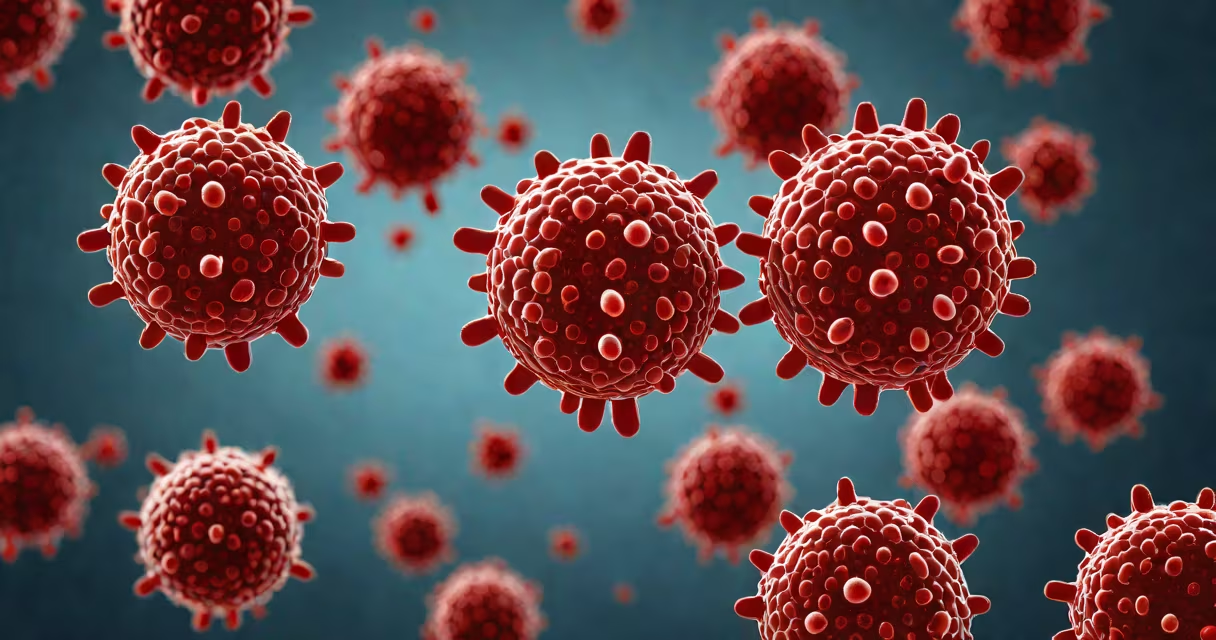
B cells are a type of white blood cell essential to the adaptive immune system. They produce antibodies that neutralize pathogens like bacteria and viruses. These cells originate in the bone marrow and mature into specialized defenders capable of recognizing specific antigens.
When a pathogen enters the body, B cells detect its unique surface markers through receptors on their surface. Once activated, they differentiate into plasma cells that secrete large quantities of antibodies tailored to that specific invader. This targeted response prevents reinfection and forms the basis of immunological memory.
According to the National Institute of Allergy and Infectious Diseases (NIAID), B cells account for approximately 10-15% of circulating lymphocytes in human blood. Their ability to generate long-lasting immunity is central to the effectiveness of vaccines, which train B cells to respond rapidly upon future exposure.
B cells recognize foreign substances via B cell receptors (BCRs) embedded in their membrane. Each B cell expresses a unique receptor, allowing the immune system to respond to millions of different antigens. When a BCR binds to its matching antigen, the cell internalizes the antigen, processes it, and presents fragments on its surface using MHC class II molecules.
This presentation activates helper T cells, which release cytokines that stimulate the B cell to proliferate and differentiate. Without T cell help, most B cells cannot mount a strong response-a process known as T-dependent activation. Some antigens, however, can trigger B cells independently of T cells (T-independent activation), though these responses are weaker and less durable.
A key step occurs during germinal center reactions in lymph nodes. Here, activated B cells undergo somatic hypermutation and class switching. Somatic hypermutation introduces random mutations in antibody genes, increasing affinity for the antigen. Class switching changes the antibody's constant region, altering its function-from IgM to IgG, IgA, or IgE-tailoring the immune response to the threat.
B cells develop through distinct stages in the bone marrow and peripheral tissues. The process begins with hematopoietic stem cells giving rise to pro-B cells, then pre-B cells, and finally immature B cells that express functional BCRs. Only those that bind weakly to self-antigens survive central tolerance checks and enter circulation.
| Stage | Location | Key Features |
|---|---|---|
| Pro-B cell | Bone marrow | Genes rearranging to form BCR components |
| Pre-B cell | Bone marrow | Expression of surrogate light chain; tests BCR functionality |
| Immature B cell | Bone marrow | Tests for self-reactivity; eliminates autoreactive clones |
| Mature B cell | Bloodstream, lymph nodes | Capable of responding to antigens; circulates until activated |
| Plasma cell | Lymphoid tissues, bone marrow | High-rate antibody secretion; no antigen presentation |
After activation, mature B cells can become either plasma cells or memory B cells. Plasma cells live for weeks to months and produce vast amounts of antibodies. Memory B cells persist for years, enabling rapid response upon re-exposure-this is why immunity to diseases like measles lasts a lifetime.
B cells are often confused with T cells, despite both being lymphocytes. While both contribute to adaptive immunity, T cells directly kill infected cells or regulate immune responses. B cells primarily function through humoral immunity-antibody-mediated defense in blood and lymph.
A common error is assuming all antibodies come from B cells. While B cells are the sole producers of antibodies, the term "antibody" describes the protein itself, not the cell. Antibodies are glycoproteins classified by their heavy chain type: IgM, IgD, IgG, IgA, and IgE. Each class has distinct roles-e.g., IgG crosses the placenta to protect newborns, while IgA defends mucosal surfaces.
Another misconception is that B cells only respond to pathogens. They also react to harmless environmental antigens, such as pollen or food proteins. In allergic reactions, B cells produce IgE antibodies that trigger mast cell degranulation, leading to symptoms like itching and swelling. This illustrates how the same mechanism can be protective or harmful depending on context.
Vaccines rely heavily on B cell activity. For example, the mRNA-based COVID-19 vaccines encode the spike protein of SARS-CoV-2. After injection, dendritic cells present spike fragments to helper T cells, which activate B cells. These B cells then differentiate into plasma cells producing anti-spike antibodies.
In clinical trials, individuals who received two doses of the Pfizer-BioNTech vaccine showed a 95% reduction in symptomatic infection. This protection correlates strongly with high titers of neutralizing antibodies-primarily IgG-produced by B cells. Measuring these levels helps assess immunity duration and informs booster recommendations.
During my time working in a research lab studying autoimmune disorders, I observed that patients with lupus often have elevated levels of autoantibodies produced by B cells. These antibodies attack the body's own DNA and proteins, causing tissue damage. Treatments like rituximab, which depletes B cells, reduce disease flares-proof of B cells' central role in both defense and pathology.
Basal cells line the skin and epithelial surfaces, acting as stem cells that renew tissue. They're involved in wound repair and barrier maintenance. A short overview of basal cells clarifies their role in epithelial integrity and cancer development.
Understanding these distinctions highlights the precision of immune cell specialization. B cells are not just generic immune players-they are highly evolved, antigen-specific sentinels trained to remember threats and respond swiftly.
B cells are fundamental to adaptive immunity. Their ability to generate targeted antibodies and form long-lived memory ensures lasting protection against infectious agents. From vaccine efficacy to autoimmune disease treatment, their function underpins much of modern medicine.