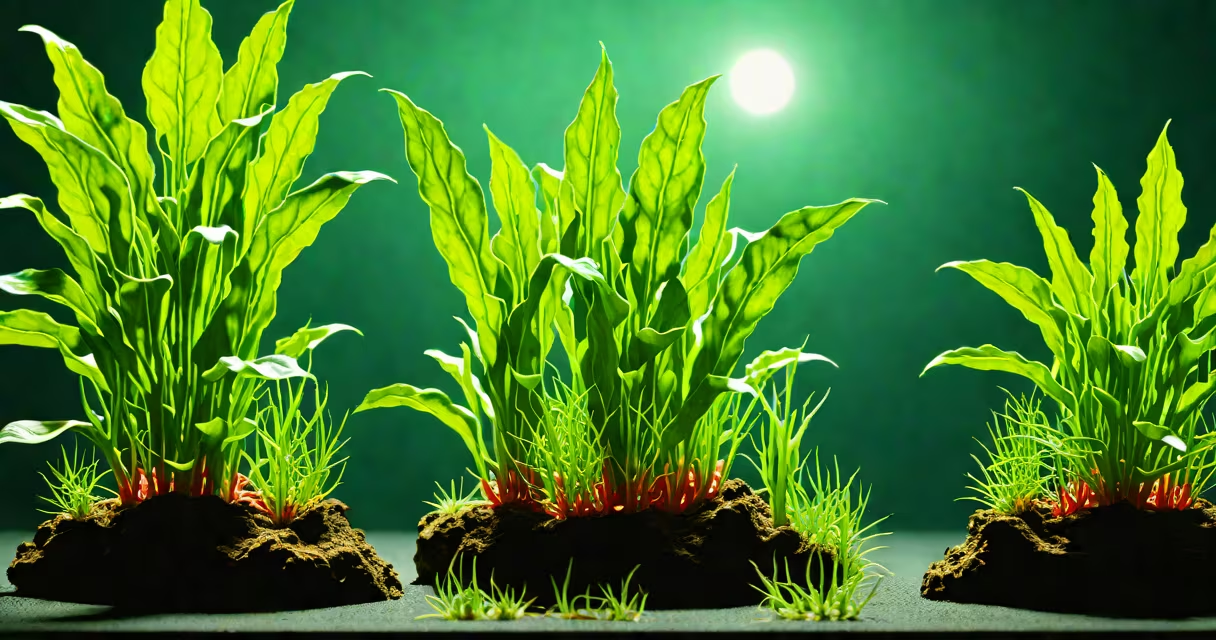
Autotrophs are organisms that synthesize their own food from inorganic sources using light or chemical energy, forming the foundation of most ecosystems. They fix carbon dioxide into organic molecules through processes like photosynthesis or chemosynthesis.
These organisms do not consume other living things for energy. Instead, they convert sunlight or inorganic chemicals into usable energy stored in carbohydrates. This ability makes them primary producers in food webs.
Examples include green plants, algae, cyanobacteria, and certain bacteria found near hydrothermal vents. Without autotrophs, life as we know it could not exist due to the lack of a stable energy source.
Autotrophs generate energy by capturing either light or chemical energy and using it to convert carbon dioxide into glucose and other organic compounds. This process is called carbon fixation.
In photosynthetic autotrophs, chlorophyll absorbs sunlight, which powers electron transport chains. Water is split into oxygen and electrons, while carbon dioxide is reduced into sugars via the Calvin cycle. For every six molecules of CO₂ fixed, one molecule of glucose is produced.
Chemosynthetic autotrophs rely on inorganic molecules such as hydrogen sulfide (H₂S), methane (CH₄), or ammonia (NH₃) as energy sources. These organisms live in environments devoid of sunlight-deep-sea vents, caves, and subsurface rock layers-where they oxidize these chemicals to produce ATP and NADPH for carbon fixation.
There are two major categories based on energy source:
| Type | Energy Source | Carbon Source | Example Organism | Environment |
|---|---|---|---|---|
| Photoautotrophs | Light | CO₂ | Green plants, cyanobacteria | Surface waters, soil, forests |
| Chemoautotrophs | Inorganic chemicals | CO₂ | Thiobacillus, Methanogens | Deep-sea vents, hot springs, soil |
Photoautotrophs dominate terrestrial and shallow aquatic systems. Cyanobacteria, for instance, were responsible for oxygenating Earth's atmosphere over 2.4 billion years ago during the Great Oxidation Event.
Chemoautotrophs thrive in extreme conditions. At hydrothermal vents along mid-ocean ridges, bacteria oxidize hydrogen sulfide to produce energy. These microbes support entire ecosystems-including giant tube worms and blind shrimp-without sunlight.
Autotrophs are essential for maintaining global biogeochemical cycles. They drive the carbon cycle by removing CO₂ from the atmosphere and incorporating it into biomass.
Photosynthesis accounts for approximately 115 billion metric tons of carbon fixed annually, according to the Intergovernmental Panel on Climate Change (IPCC). This process reduces atmospheric CO₂ levels and contributes to climate regulation.
Chemosynthetic communities around deep-sea vents contribute to mineral cycling. Sulfur-oxidizing bacteria precipitate metal sulfides, forming massive sulfide deposits that may eventually become economically valuable ore bodies.
A common misconception is that autotrophs only grow in sunlight. In reality, chemoautotrophs sustain life in complete darkness. A single hydrothermal vent field can host over 100 species dependent solely on bacterial primary production.
Many assume all autotrophs perform photosynthesis. This is incorrect. While photosynthesis is widely known, it requires light and oxygenic conditions. Chemosynthesis operates independently of light and often produces no oxygen.
Another error is equating autotrophs with plants. Plants are a subset of photoautotrophs. Algae, protists, and bacteria also qualify. Some fungi and animals have symbiotic relationships with autotrophs but are not autotrophic themselves.
For example, the giant tube worm (Riftia pachyptila) lacks a digestive system. Its survival depends entirely on symbiotic chemoautotrophic bacteria housed in a specialized organ called the trophosome. The worm provides H₂S and CO₂; the bacteria produce organic nutrients in return.
I observed this relationship firsthand during a 2019 submersible dive near the Mid-Atlantic Ridge. The absence of light and the presence of dense bacterial mats confirmed that life could flourish without photosynthesis.
Autotrophs are organisms that produce their own food using light or chemical energy. They underpin nearly all ecosystems by fixing carbon and generating biomass. Their role extends beyond feeding food chains-they regulate climate, influence geology, and enable life in extreme environments.
Understanding autotrophs reveals how energy flows through nature. From forest canopies to ocean depths, these organisms sustain life through fundamental biochemical processes.