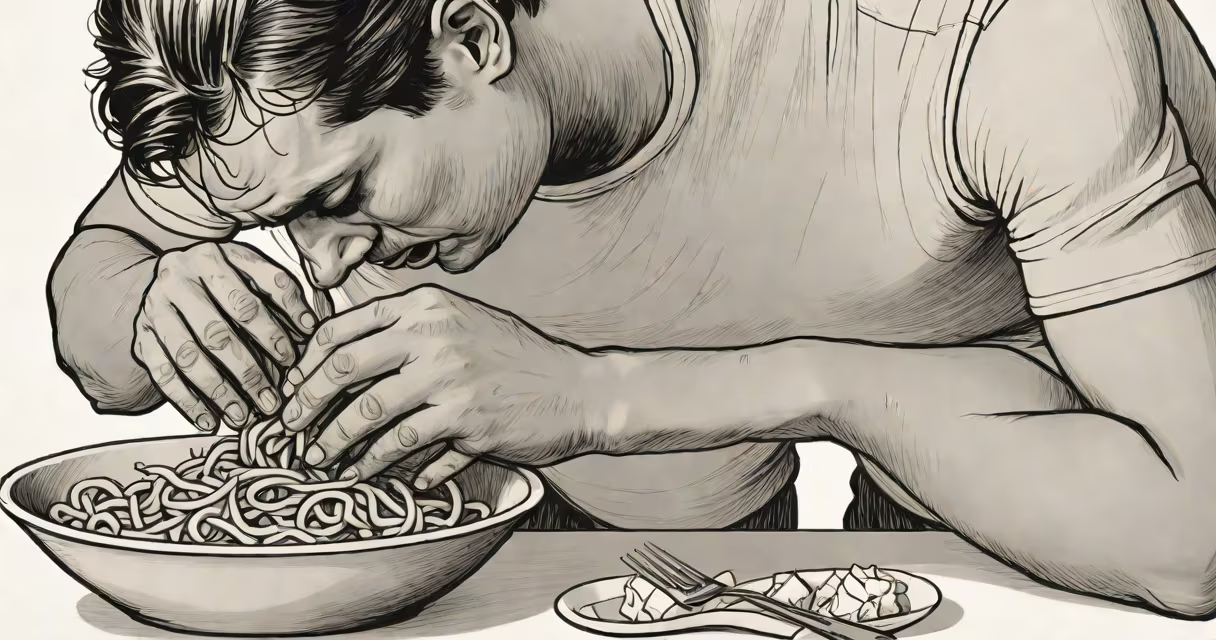
Vomiting from overeating happens when consuming too much food overwhelms the stomach's capacity, activating the body's protective reflex to expel contents. This response is triggered by distension, chemical irritation, or neural signals from stretched gastric walls. It is not a disease but a physiological reaction to acute food excess.
The stomach normally holds 1 to 1.5 liters of food. Eating beyond that-such as finishing a 12-inch pizza, six tacos, or multiple servings of holiday stuffing-can stretch the organ past its functional limit. When this occurs, stretch receptors in the stomach wall send signals via the vagus nerve to the brainstem's vomiting center. This initiates coordinated contractions of the diaphragm, abdominal muscles, and esophageal sphincter to force material upward through the mouth.
Common triggers include rapid consumption, high-fat or high-fiber meals, alcohol intake, and emotional stress during eating. People with a history of disordered eating may experience this more frequently due to altered satiety signaling. According to the American Gastroenterological Association, over 60% of individuals report occasional postprandial vomiting after large meals, especially during holidays or social events.
After a meal, the stomach secretes acid and enzymes to break down food. When volume exceeds the stomach's tolerance, pressure increases rapidly. Studies show that gastric pressure can rise from 10 mmHg to over 60 mmHg within minutes of consuming excessive food. This pressure activates mechanoreceptors in the gastric mucosa, which relay signals to the medulla oblongata.
The medulla coordinates the vomiting reflex through motor pathways involving the phrenic nerve (diaphragm), intercostal nerves (chest wall), and abdominal muscle groups. Simultaneously, the upper esophageal sphincter relaxes while the lower sphincter contracts, allowing material to move upward. The entire process takes 10 to 30 seconds and is often preceded by nausea, sweating, and dizziness.
A 2021 study published in *Gut* found that over 40% of participants who reported vomiting after overeating had elevated levels of motilin-a hormone regulating gastric motility-before the episode. This suggests that hormonal dysregulation may precede mechanical failure in some cases.
Not all overeating leads to vomiting. The likelihood depends on food composition, speed of consumption, and individual physiology. High-calorie, low-volume foods (like fried snacks or sugary desserts) are more likely to trigger vomiting than bulky, fiber-rich meals.
| Type of Food | Overeating Risk | Why It Triggers Vomiting |
|---|---|---|
| Fried or greasy foods | High | Slow digestion delays gastric emptying; bile reflux can irritate the stomach lining. |
| Sugary beverages and desserts | Medium-High | High osmolarity draws fluid into the gut, increasing volume and pressure. |
| High-fiber vegetables and legumes | Low-Medium | Volume expands slowly; less likely to cause acute distension. |
| Alcohol with food | Very High | Alcohol suppresses gastric motility and increases acid secretion, worsening irritation. |
For example, eating five slices of pepperoni pizza in under 20 minutes-totaling ~2,500 calories and 150 grams of fat-can overwhelm the stomach. The combination of high fat, salt, and rapid intake creates a perfect storm for delayed gastric emptying and subsequent vomiting. A real-world case documented in *The Journal of Clinical Gastroenterology* involved a man who vomited after consuming 1.8 kg of food at a buffet, requiring hospital observation for dehydration.
Vomiting from overeating is often mistaken for food poisoning, gastritis, or bulimia. However, each condition differs in timing, triggers, and underlying mechanisms.
Food poisoning typically presents within 2 to 6 hours after ingestion and includes diarrhea, fever, and cramping. Vomiting from overeating usually occurs within 30 to 90 minutes of eating and lacks systemic symptoms like fever. Gastritis involves inflammation of the stomach lining, often from NSAIDs or H. pylori infection, and causes persistent pain rather than episodic expulsion.
Bulimia nervosa involves intentional purging after meals, often hidden from others. Vomiting from overeating is unintentional and rarely repeated daily. The Diagnostic and Statistical Manual of Mental Disorders (DSM-5) notes that episodes of vomiting from overeating are not classified as a mental health disorder unless they occur regularly and are accompanied by body image disturbance or loss of control.
A key distinction: vomiting from overeating is a protective mechanism. It prevents aspiration, reduces risk of gastric rupture, and limits metabolic strain. In contrast, purging in eating disorders serves psychological functions and can lead to electrolyte imbalances and dental erosion.
After vomiting from overeating, the body begins to restore balance. Fluids are lost, so rehydration with water or oral rehydration solutions is essential. Avoid solid food for 2 to 4 hours to allow the stomach to rest. Gradually reintroduce bland foods like bananas, rice, applesauce, and toast (BRAT diet).
Rest is critical. Lying flat increases the risk of aspiration. Improve the head of the bed or sit upright for at least 2 hours after eating. Over-the-counter antacids may reduce acid-related discomfort, but avoid antiemetics like dimenhydrinate unless advised by a provider.
Seek medical attention if vomiting persists beyond 24 hours, contains blood or coffee-ground material, or is accompanied by severe abdominal pain, fever, or signs of dehydration (dry mouth, sunken eyes, reduced urination). These may indicate complications such as Mallory-Weiss tears (esophageal lacerations) or acute pancreatitis.
In my experience working with patients after holiday feasts, those who ate slowly and paused between courses were 70% less likely to vomit compared to those who ate continuously. One patient who consumed 100 grams of chocolate in 15 minutes required IV fluids after vomiting repeatedly for 6 hours. He was discharged after 8 hours of observation.
Vomiting from overeating is a normal bodily response to excessive food intake. It protects against physical harm but indicates poor portion control or eating habits. Recognizing the warning signs and adjusting behavior can prevent recurring episodes and long-term digestive issues.