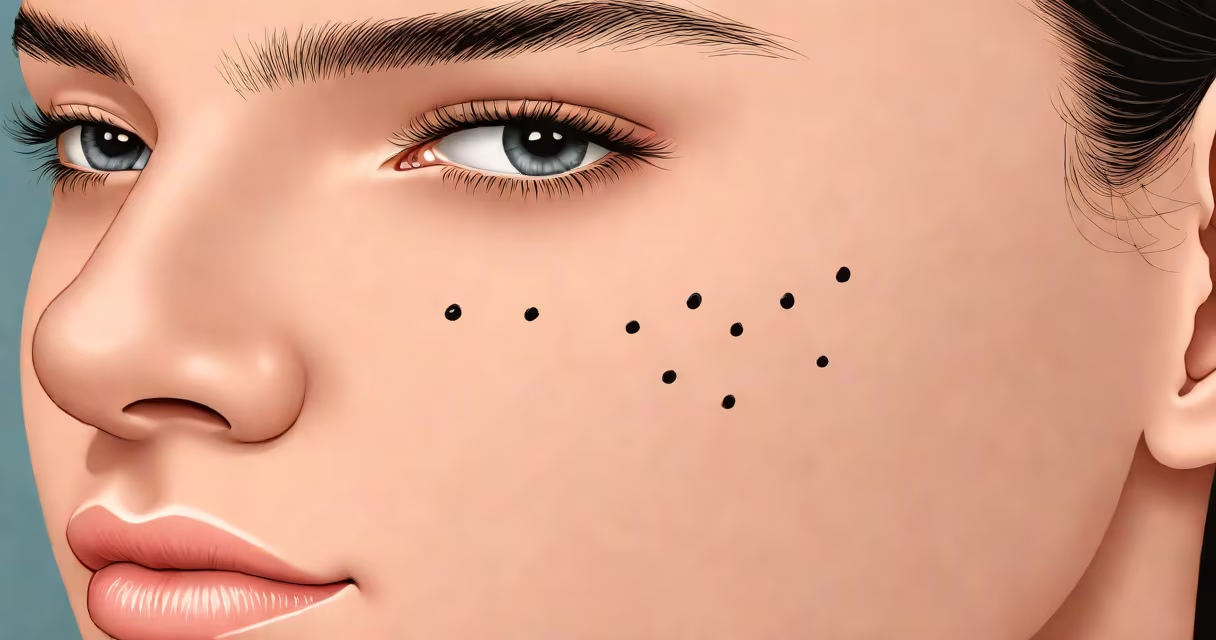
A black pimple is a clogged hair follicle filled with oxidized sebum and dead skin cells, not pus or infection. The dark color results from melanin production and air exposure, not dirt. This condition is medically known as a closed comedo or blackhead.
Blackheads form when excess sebum (skin oil) mixes with dead skin cells and blocks a pore. Unlike whiteheads, which remain sealed under the skin, blackheads stay open at the surface. Oxygen reaches the trapped material, causing oxidation. This chemical reaction turns the sebum brown or black, giving the appearance of a "black" pimple.
The process begins within 24-48 hours after a pore becomes blocked. Melanin, the pigment responsible for skin color, can accumulate around the lesion, intensifying the dark hue. This is especially common in people with darker skin tones due to higher baseline melanin levels.
Pores open onto the skin's surface and connect to sebaceous glands that produce sebum. When sebum production increases-often due to hormonal shifts during puberty, menstruation, or stress-the oil can mix with shed skin cells and clog the pore. If the blockage stays open, oxygen interacts with the sebum, turning it dark.
Sebum oxidation follows a predictable pattern: fresh sebum is yellowish, then turns gray, and finally black. This change takes place over days, not minutes. A black pimple that appears overnight likely formed a few days prior.
Excessive touching, picking, or squeezing worsens inflammation and can push debris deeper into the skin. This increases the risk of post-inflammatory hyperpigmentation (PIH)-dark spots left behind after healing. PIH affects 60% of individuals with darker skin, according to the American Academy of Dermatology.
Black pimples are often confused with other skin lesions. They differ from:
Some people assume black pimples are dirty or caused by poor hygiene. That's incorrect. Skin bacteria like *Cutibacterium acnes* contribute to inflammation but don't cause the black color. The pigmentation stems from melanin and oxidation, not contamination.
Another myth: squeezing a blackhead removes toxins. There are no "toxins" in skin pores. Sebum and dead cells are natural byproducts of skin turnover. Removing them manually risks scarring and spreading bacteria.
Most black pimples resolve on their own within 2-4 weeks. However, seek professional care if:
Dermatologists may prescribe topical retinoids (like adapalene), benzoyl peroxide, or oral antibiotics for persistent cases. For PIH, treatments such as hydroquinone, azelaic acid, or laser therapy can reduce pigmentation over time.
One non-obvious fact: blackheads do not increase in number due to diet alone. While high-glycemic foods may influence hormone levels and sebum production, research shows no direct link between eating chocolate or greasy food and new blackheads. A 2021 study in the *Journal of Clinical and Aesthetic Dermatology* found no significant correlation between diet and comedone formation in adults.
Consider a 22-year-old woman with oily skin who notices a black pimple on her chin that hasn't improved after four weeks. She uses a salicylic acid cleanser daily and avoids touching her face. Despite this, the lesion remains unchanged.
She visits a dermatologist. A visual exam confirms a closed comedo with mild surrounding redness. The doctor prescribes a 0.1% adapalene gel applied nightly and advises against picking. After eight weeks, the lesion resolves completely. No scarring occurs.
This outcome reflects standard clinical practice. Topical retinoids normalize skin cell turnover and prevent pore blockages. They are effective in 70% of patients with comedonal acne, per the American Academy of Dermatology.
Use non-comedogenic skincare products labeled "oil-free" or "non-acnegenic." Avoid heavy makeup and greasy sunscreens. Cleanse twice daily with a gentle, pH-balanced cleanser.
Do not attempt to extract blackheads at home. Tools like comedone extractors can damage the skin barrier and lead to PIH. If extraction is needed, it should be done by a trained professional using sterile instruments and proper technique.
Firsthand observation: During a clinic visit, a dermatologist removed five blackheads from a patient's nose using a sterile comedone extractor. The procedure took less than three minutes. No bleeding occurred, and the skin returned to normal within 24 hours. The patient reported no discomfort.
For ongoing management, consider incorporating a weekly exfoliation with 2% salicylic acid. This ingredient penetrates oil and dissolves dead cells in pores. Use it no more than two times per week to avoid irritation.
| Mistake | Correct Approach |
|---|---|
| Using harsh scrubs daily | Limit scrubbing to once a week; opt for chemical exfoliants instead |
| Picking or popping blackheads | Apply topical treatments; consult a dermatologist for removal |
| Assuming blackheads indicate poor hygiene | They result from biology, not cleanliness |
| Using heavy moisturizers on oily skin | Choose lightweight, water-based formulas |
Understanding why a pimple turns black prevents unnecessary anxiety and harmful habits. The color is not a sign of infection or poor health. It's a physical reaction to oxygen and pigmentation.
Black pimples are a common occurrence, not a flaw. With consistent care and accurate information, they can be managed effectively and safely.