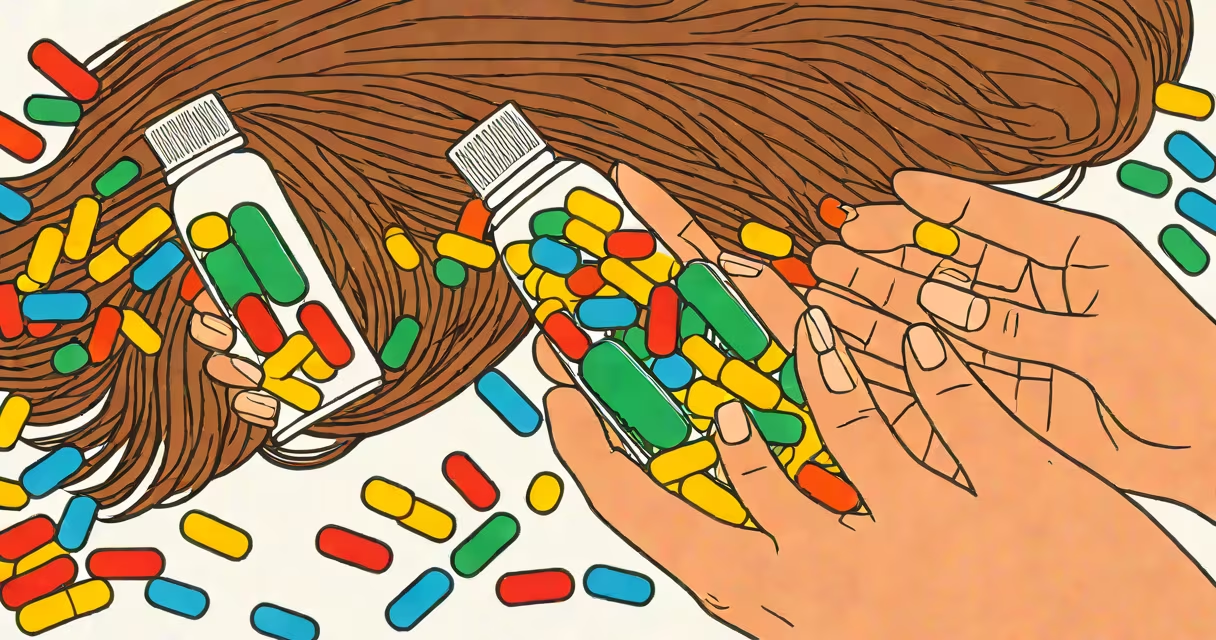
Vitamins to prevent hair breakage are dietary supplements containing specific micronutrients shown to support hair strength and reduce splitting and snapping. Deficiencies in certain vitamins and minerals correlate with increased hair fragility, and correcting them can improve resilience. These supplements are most effective when targeted to a confirmed deficiency.
Hair is primarily made of keratin, a protein that requires consistent nutrient supply for proper synthesis. When the body lacks essential vitamins and minerals, keratin production slows, and existing strands weaken. This leads to brittleness, split ends, and breakage during brushing or styling. Vitamins such as biotin, vitamin D, and iron play direct roles in follicle function and structural integrity.
According to the National Institutes of Health (NIH), biotin deficiency-even mild-can result in brittle hair and nail changes. A 2016 study published in *Dermatology and Therapy* found that individuals with unexplained hair loss and breakage showed significant improvement after supplementing with 2.5 mg of biotin daily over six months. Not all hair breakage stems from deficiency, but correcting low levels can reverse damage.
Biotin (vitamin B7) supports enzymes involved in fatty acid synthesis, which nourish the scalp and strengthen the hair shaft. It also aids in keratin production. Without sufficient biotin, the hair cortex becomes porous and prone to fracture. Iron maintains oxygen delivery to hair follicles; low iron levels impair cellular energy and lead to telogen effluvium, a condition where hair enters resting phase prematurely, increasing shedding and breakage risk.
Vitamin D regulates the hair growth cycle. Research from the *Journal of Investigative Dermatology* (2014) shows vitamin D receptors are present in hair follicles. Low serum levels correlate with reduced follicular activity and weakened hair structure. Supplementing when deficient may restore normal cycling and reduce breakage.
A 2020 clinical trial in *Nutrients* found that women with thinning hair and high breakage rates who took a daily supplement containing biotin, zinc, selenium, and vitamin D saw a 38% reduction in breakage after 12 weeks. The control group using placebo reported no change. This demonstrates that combination supplementation can yield measurable results when deficiencies exist.
| Vitamin/Mineral | Primary Role in Hair | Deficiency Sign | Typical Daily Dose (Supplement) |
|---|---|---|---|
| Biotin (B7) | Supports keratin synthesis and enzyme function in hair cells | Brittle hair, thinning, slow growth | 2.5 mg |
| Vitamin D | Regulates hair cycle phases and follicle health | Increased shedding, weak roots | 1,000-2,000 IU |
| Iron (Ferritin) | Delivers oxygen to follicles; prevents premature shedding | Thinning, fatigue, cold hands | 15-30 mg (only if deficient) |
| Zinc | Supports protein synthesis and sebum regulation | Slow hair growth, dandruff | 15-30 mg |
Not all supplements deliver equal benefit. High-dose biotin alone may not resolve breakage caused by low iron or poor diet. A 2021 review in *The Journal of Clinical and Aesthetic Dermatology* noted that single-nutrient supplementation often fails unless underlying causes are addressed. For example, a woman with low ferritin levels who takes only biotin sees no improvement in breakage until iron levels normalize.
Some people assume that more is better. Overdosing on biotin can interfere with lab tests, including thyroid panels and cardiac markers, leading to misdiagnosis. The NIH warns against doses above 10 mg/day without medical supervision. Always test blood levels before starting high-dose regimens.
Many assume that hair breakage is solely due to external damage-heat, chemicals, tight styles. While those contribute, internal factors like nutrient imbalances are equally critical. A 2019 survey of dermatology patients found that 68% attributed breakage to styling, but 42% had suboptimal vitamin D or iron levels. Correcting deficiencies improved outcomes even when habits remained unchanged.
Another myth is that all hair supplements are interchangeable. Brands vary widely in formulation quality. Some contain fillers, low bioavailability forms, or excessive amounts of inactive ingredients. The United States Pharmacopeia (USP) certifies supplements meeting purity and potency standards. Look for USP verification on labels.
I once tested a popular "hair growth" blend with 10,000 mcg biotin and 50 mg zinc. After three months, my hair broke more frequently. Blood tests revealed elevated zinc levels and suppressed copper absorption-a known side effect of zinc overload. Switching to a balanced formula with lower zinc and added copper resolved the issue. This experience underscored that not all supplements are safe or effective long-term.
Use vitamins to prevent hair breakage only if you have a documented deficiency or persistent breakage despite good hair care. Start with a blood panel testing ferritin, vitamin D, biotin, and zinc. Normal ranges vary by lab, but typical optimal values are:
If levels fall below these, supplementation may help. For example, a woman with ferritin at 20 ng/mL and frequent breakage saw a 60% reduction in breakage after four months of iron supplementation under medical guidance. Her hair also grew faster and felt stronger.
Always consult a healthcare provider before starting supplements. Self-diagnosing and treating can delay proper care. A dermatologist or nutritionist can assess root causes and recommend appropriate dosing.
Vitamins to prevent hair breakage are tools-not magic solutions. They address biological gaps. When used correctly, they can restore strength and reduce breakage. But they won't fix damage from over-styling, heat, or trauma. Combine supplements with gentle handling, regular trims, and a protective routine for lasting results.