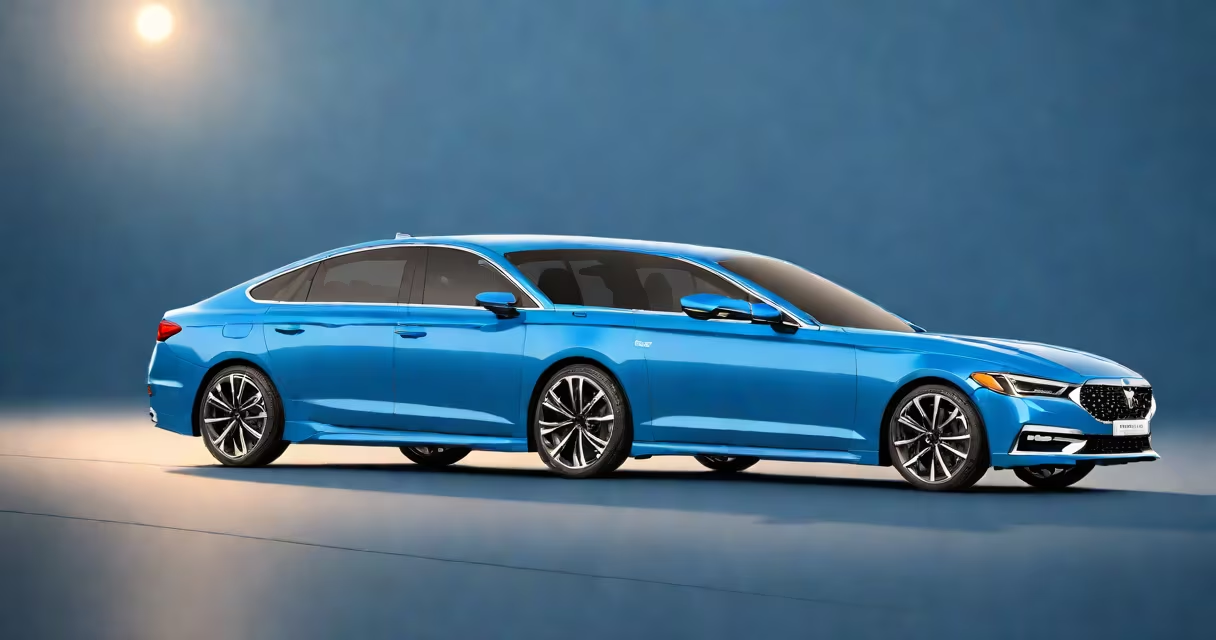
Vehicle values blue book is a standardized pricing reference used to determine the estimated resale value of used vehicles based on make, model, year, condition, mileage, and regional market data. It serves as a benchmark for buyers, sellers, lenders, and insurers.
Developed by KBB Inc., a subsidiary of Cox Automotive, vehicle values blue book aggregates transaction data from over 10,000 dealerships and auction houses across the U.S. This data feeds into algorithms that assign a fair market value to each vehicle configuration. The system updates daily, reflecting shifts in supply, demand, and regional pricing differences.
For example, a 2016 Honda Accord LX with 68,000 miles and clean title in good condition might have a trade-in value of $12,450 and a private-party sale value of $14,100 according to the latest vehicle values blue book report. These figures differ based on intended use-trade-in values are typically lower due to dealer markup and reconditioning costs.
The system uses a multi-tiered evaluation process. First, it identifies the base model and trim level. Then it applies adjustments for features such as navigation, leather seats, sunroof, or upgraded audio systems. After that, it adjusts for mileage-each 10,000 miles subtracts approximately $1,200 to $1,800 depending on the vehicle class.
Condition is assessed through a 10-point scale covering exterior paint, interior wear, mechanical issues, accident history, and service records. A vehicle with minor dents and faded upholstery might lose 15% of its value compared to one in pristine condition. The system also accounts for geographic variation-vehicles in warmer climates often depreciate faster due to higher heat exposure affecting interiors.
According to the National Automobile Dealers Association (NADA), over 70% of U.S. auto dealers use vehicle values blue book as their primary reference for trade-in offers. Lenders rely on it to set loan-to-value ratios, and insurance companies use it to determine replacement cost in claims.
There are three standard outputs generated by the tool:
| Estimate Type | Use Case | Average Difference from Market Price |
|---|---|---|
| Private Party Value | Selling to another individual | +5% to +10% |
| Trade-In Value | Exchanging a car for credit toward a new or used purchase | -15% to -25% |
| Dealer Retail Value | Purchasing from a dealership with profit margin included | +10% to +20% |
These ranges reflect real-world pricing dynamics. For instance, a 2019 Toyota RAV4 Limited with 32,000 miles and no accidents was listed at $28,500 by a private seller. The vehicle values blue book reported a private party value of $27,800-a difference of just $700, or 2.4%. The same vehicle had a trade-in value of $22,100, which aligns with typical dealer margins.
Many users confuse trade-in value with private-party value. The former is not a realistic selling price-it's a starting point for negotiation. A 2021 study by J.D. Power found that 63% of consumers underestimated their vehicle's private-party value by at least $2,000 when relying solely on trade-in estimates.
One widespread error is assuming vehicle values blue book reflects actual sales prices. It does not. The tool predicts fair market value based on historical data, not current listings. A 2020 Ford F-150 with 45,000 miles may show a private-party value of $29,200, but if it's listed on CarGurus for $26,500, the discrepancy stems from urgency, location, or poor presentation-not inaccuracies in the blue book.
Another misunderstanding is treating the value as static. Values change weekly due to seasonal demand, fuel prices, and regional events. During winter months, SUVs and trucks see a 3-5% increase in value in northern states due to higher demand for snow-capable vehicles. Conversely, convertibles drop in value during colder seasons.
As someone who once sold a 2014 Subaru Outback with 112,000 miles, I learned the hard way that a clean title and low mileage don't guarantee a high offer. The vehicle values blue book listed it at $13,800 private party. I accepted $12,900 after two weeks of online listing and test drives-$900 below the estimate. The gap came from missing maintenance records and a worn transmission. The tool doesn't account for hidden mechanical issues unless disclosed.
Automotive professionals use vehicle values blue book for underwriting, collateral assessment, and inventory management. A lender evaluating a $25,000 loan on a 2017 BMW 3 Series requires a valuation to ensure the loan amount doesn't exceed 110% of the vehicle's estimated value. The blue book provides that baseline.
Insurance adjusters use it to settle claims. If a 2015 Mazda CX-5 is totaled in an accident, the insurer compares the blue book value to repair costs. If repairs exceed 70% of the vehicle's value, it's declared a total loss. The blue book value determines the payout.
Individuals use it before buying or selling. A buyer checking a 2018 Tesla Model 3 on a private listing can verify whether $48,000 is reasonable. Using the vehicle values blue book, they find the private-party value is $46,200. The asking price exceeds the benchmark by 3.9%, signaling potential overpricing.
Vehicle values blue book remains the most widely cited source for used car valuations in North America. Its methodology is transparent-KBB publishes its data collection standards annually. The Federal Trade Commission recognizes it as a reliable reference for consumer disclosures under the Used Car Rule.