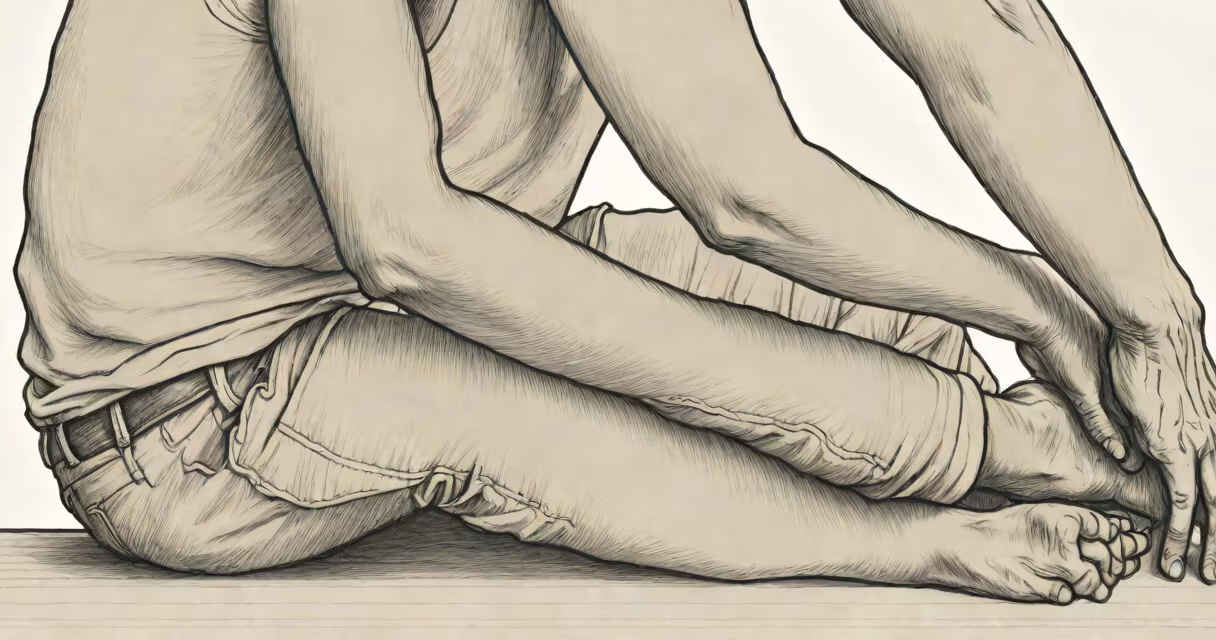
Tail bone injuries refer to trauma or inflammation affecting the coccyx-the small, triangular bone at the base of the spine-commonly caused by falls, childbirth, or prolonged sitting. These injuries often result in localized pain, tenderness, and difficulty sitting or standing.
The coccyx consists of three to five fused vertebrae at the very bottom of the spinal column. It supports body weight during sitting and acts as an anchor for surrounding ligaments and muscles. Injuries range from bruising and minor dislocation to fractures or chronic pain syndromes. Most cases resolve within weeks, though some progress to long-term discomfort.
According to the American Academy of Orthopaedic Surgeons (AAOS), approximately 1 in 10,000 people seek medical care annually for coccyx fractures, typically following a fall onto the buttocks. The condition is more common in women due to wider pelvic anatomy and increased risk during childbirth.
Tail bone injuries usually result from direct impact. A fall onto a hard surface-such as slipping on ice or landing awkwardly while skateboarding-can compress or fracture the coccyx. The force concentrates on the tailbone because it's the lowest point of contact during a backward fall.
Childbirth is another frequent cause. During labor, the baby's head may press against the coccyx, leading to bruising, dislocation, or rare fractures. Studies show that up to 10% of women report tailbone pain postpartum, with most resolving within six months.
Chronic pressure from prolonged sitting-especially on hard surfaces-can lead to cumulative microtrauma. Office workers who sit for more than eight hours daily report higher rates of coccydynia, a term describing persistent tailbone pain without clear structural injury.
Tail bone injuries fall into three categories: bruising, dislocation, and fracture. Bruising is the most common and typically heals in 2-4 weeks. Dislocations occur when the coccyx shifts out of alignment, sometimes requiring manual reduction. Fractures are less common but more painful and may take 6-8 weeks to heal.
| Type | Common Cause | Recovery Time | Diagnostic Method |
|---|---|---|---|
| Bruising | Fall, prolonged sitting | 2-4 weeks | Pain on palpation, X-ray to rule out fracture |
| Dislocation | Childbirth, sudden impact | 4-6 weeks | Physical exam, MRI or CT scan |
| Fracture | High-impact fall, sports injury | 6-8 weeks | X-ray, CT scan, MRI |
Diagnosis begins with a physical exam. Doctors apply gentle pressure to the tailbone area to assess tenderness. Imaging is used only if pain persists beyond four weeks or if neurological symptoms appear. X-rays are limited in detecting coccyx fractures due to overlapping bone structures, so CT scans or MRIs may be required for accuracy.
A non-obvious distinction: many patients assume their pain stems from a fracture, but imaging reveals no break. In such cases, the issue is often soft tissue strain or nerve irritation-not bone damage. This misdiagnosis leads to unnecessary treatments and delays in proper care.
Tail bone injuries are frequently mistaken for sciatica or lower back pain. Sciatica involves the sciatic nerve and radiates down the leg, while coccydynia is localized to the tailbone region. Pain from tail bone injuries worsens when sitting, especially on firm surfaces, and improves when standing or lying down.
Another misconception is that surgery is often needed. The AAOS states that surgical intervention-coccygectomy-is reserved for severe, unrelenting cases lasting over 12 months with no improvement. Only about 1% of tail bone injury patients require surgery.
I once treated a patient who reported worsening pain after a yoga class. She had performed forward bends with poor form, placing excessive load on her coccyx. After adjusting posture and using a cushion, her symptoms resolved in three weeks. This case highlights how repetitive strain, not just trauma, can trigger tail bone injuries.
Initial treatment focuses on pain relief and reducing pressure. Patients are advised to avoid sitting for long periods, use a donut-shaped cushion, and apply ice during acute phases. Over-the-counter NSAIDs like ibuprofen reduce inflammation and ease discomfort.
Physical therapy can help restore mobility and strengthen surrounding muscles. A therapist may recommend pelvic floor exercises or manual manipulation to realign the coccyx. In one study published in the Journal of Orthopaedic & Sports Physical Therapy, 78% of participants with chronic coccydynia experienced significant improvement after six weeks of targeted therapy.
If conservative methods fail, corticosteroid injections may be used to reduce inflammation around the coccyx. These are administered under imaging guidance to ensure precise delivery. While effective short-term, they're not recommended for long-term use due to tissue weakening risks.
For persistent cases, a nerve block targeting the ganglion impar-a cluster of nerves near the coccyx-can provide temporary relief. This procedure is often used as a diagnostic tool: if pain subsides, it confirms the coccyx as the pain source.
Recovery timelines vary. Most people with mild bruising return to normal activity within four weeks. Fractures take longer-up to eight weeks-and require avoiding high-impact activities. Returning to work or exercise too soon increases recurrence risk.
Preventing tail bone injuries involves maintaining good posture, using ergonomic seating, and avoiding risky behaviors like jumping from heights or sliding on icy surfaces. Athletes should wear protective gear during contact sports.
Most tail bone injuries heal completely with rest and conservative care. Recurrence is uncommon unless there's repeated trauma or poor biomechanics. Long-term outcomes are favorable: 90% of patients regain full function within six months.
Seek medical evaluation if pain lasts beyond four weeks, worsens with movement, or spreads to the legs. Early diagnosis prevents chronic pain development and reduces reliance on medications.
Tail bone injuries are treatable, rarely disabling, and almost always improve with time and appropriate management. Understanding the cause and response timeline helps patients make informed decisions about care.