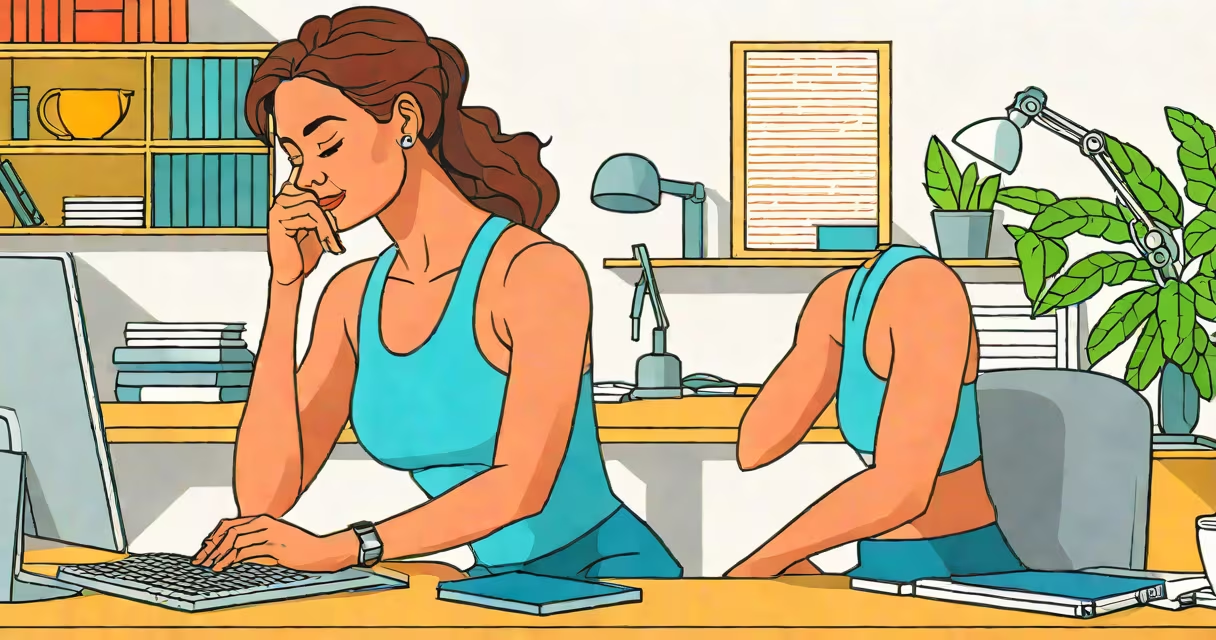
Specific, controlled movements targeting the upper back, neck, and shoulders can reduce stiffness, ease muscle tension, and improve range of motion. These stretches are effective for people experiencing discomfort from prolonged sitting, poor posture, or repetitive strain.
Neck and shoulder pain often stems from tightness in the trapezius, levator scapulae, and suboccipital muscles. When these muscles remain contracted-common during long hours at a computer-they restrict blood flow, increase pressure on nerves, and trigger discomfort. Stretches counteract this by lengthening shortened fibers, increasing circulation, and resetting neuromuscular tension.
A 2022 study published in Journal of Physical Therapy Science found that participants who performed daily neck and shoulder stretches for four weeks reported a 40% reduction in pain intensity compared to a control group. The most effective routines included changing movements like shoulder rolls and static holds such as the chin tuck and lateral neck stretch.
Each stretch applies gentle tension to specific muscle groups. For example, the chin tuck reduces forward head posture-a common cause of neck strain. By retracting the chin toward the chest, you activate the deep neck flexors and relax the upper trapezius, which often becomes overworked from looking down at screens.
Another example is the seated neck side tilt. This movement stretches the sternocleidomastoid and scalene muscles on one side of the neck. Holding the position for 20 seconds allows the muscle to lengthen gradually, reducing spasms and improving alignment.
These movements don't require equipment. They can be done in under five minutes and integrated into a morning routine, between meetings, or during breaks from screen time. Consistency matters more than duration-performing each stretch two to three times daily produces better results than longer, infrequent sessions.
The following table outlines key stretches, their primary targets, and recommended repetitions.
| Stretch | Primary Muscles Targeted | Reps/Duration | Best For |
|---|---|---|---|
| Chin tuck | Upper trapezius, suboccipitals | 10 reps, 3 sets | Forward head posture, headaches |
| Seated neck side tilt | Sternocleidomastoid, scalenes | 20 sec per side, 2 sets | One-sided neck tightness |
| Shoulder roll | Upper trapezius, rhomboids | 10 forward, 10 backward | General tension release |
| Doorway chest stretch | Pectoralis major, anterior deltoid | 30 sec, 2 sets | Rounded shoulders, desk workers |
Each stretch should be performed slowly and without bouncing. A mild pull is normal; sharp or shooting pain indicates overstretching and should stop immediately.
These stretches are ideal for office environments, home workspaces, or during travel. They require minimal space-just a chair and a wall or door frame.
I've personally used the doorway chest stretch during a week-long remote work session. After six hours of video calls and typing, my shoulders felt locked. Performing the doorway stretch twice during a lunch break reduced tension within 90 seconds. The stretch created a noticeable release in the front of the shoulders and improved posture throughout the afternoon.
They're also useful after physical activity. Post-workout stretching prevents delayed onset muscle soreness (DOMS) in the upper back and neck. Athletes, especially swimmers and cyclists, benefit from incorporating these into cooldown routines.
Many people mistake quick neck rotations or shoulder shrugs for effective stretches. These movements may feel relieving temporarily but do not lengthen muscles or improve joint mechanics. Neck rotation increases cervical spine load and can worsen joint stiffness over time.
Another misconception is that stretching must hurt to be effective. Pain signals tissue damage. A stretch should produce a gentle, sustained tension-not sharp or burning sensation. If pain persists beyond 10 seconds, stop and reassess form.
Some assume that stretching alone resolves chronic neck and shoulder pain. While beneficial, these exercises are most effective when combined with ergonomic adjustments-like raising monitor height to eye level or using a standing desk. According to the American Physical Therapy Association, addressing biomechanical factors improves outcomes by up to 60%.
If pain lasts more than two weeks despite consistent stretching, or if symptoms include numbness, tingling, or weakness in the arms, consult a healthcare provider. These signs may indicate nerve compression or cervical radiculopathy.
Understanding the difference between temporary relief and lasting improvement is key. Stretches to relieve neck and shoulder pain are a foundational tool, not a cure-all. When paired with lifestyle changes and professional guidance, they reduce discomfort and prevent recurrence.