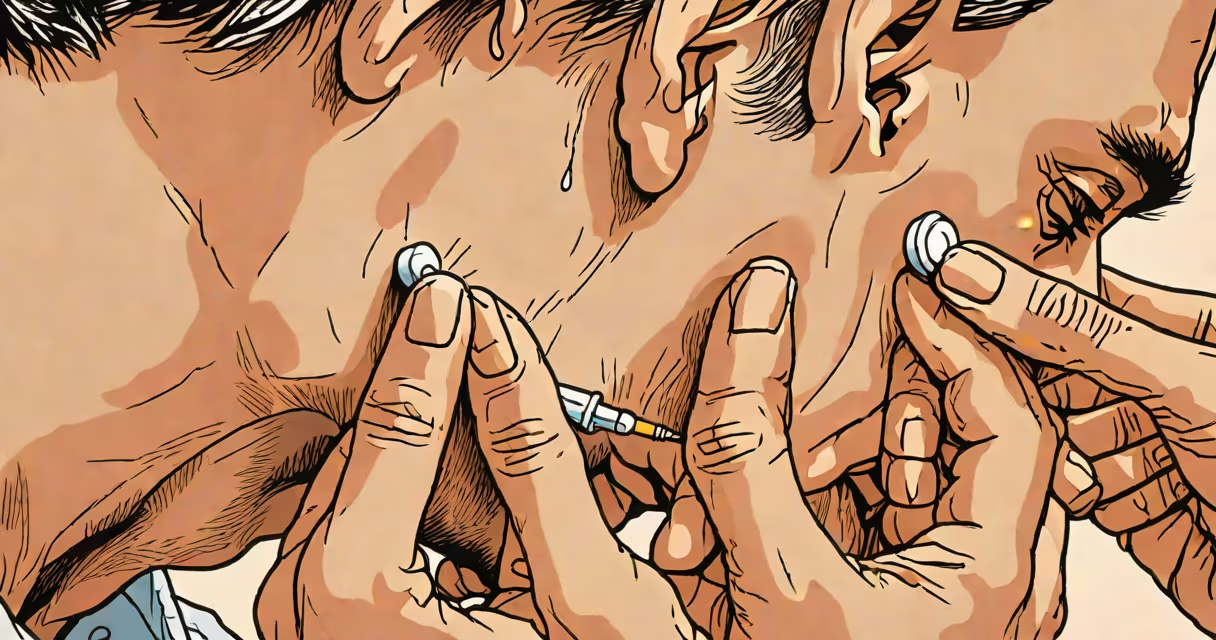
Itchy ears occur when the skin inside the ear canal becomes irritated, often due to dryness, excess wax, infection, or allergies. Common triggers include water exposure, frequent ear cleaning, or underlying skin conditions like eczema. The sensation may range from mild annoyance to intense discomfort, sometimes accompanied by discharge or hearing changes.
Itching in the outer ear (pinna) or deeper in the ear canal typically signals irritation rather than a serious issue. However, persistent or worsening itchiness warrants evaluation to rule out infections or structural problems. The most effective approaches focus on reducing irritation, restoring moisture, and avoiding further damage.
The ear canal is lined with thin, sensitive skin rich in sweat and oil glands. When this environment dries out-due to air conditioning, frequent swimming, or aggressive cleaning-the skin cracks and flakes, triggering itchiness. This condition is known as otitis externa, or swimmer's ear, when caused by moisture trapped in the ear.
Excess earwax (cerumen) can also cause itching. Wax normally protects the ear by trapping debris and preventing infection. But when it builds up, it presses against the eardrum or irritates the canal lining. A study published in *The Journal of Laryngology & Otology* found that cerumen impaction affects 5-10% of adults and is linked to symptoms like itching, fullness, and mild hearing loss.
Underlying conditions such as seborrheic dermatitis or psoriasis may also affect the ear. These autoimmune-related skin disorders cause flaky, red patches behind the ear or inside the canal. They're not contagious but require long-term management to prevent flare-ups.
Do not insert cotton swabs, hairpins, or other objects into the ear canal. These can push wax deeper, scratch the skin, or puncture the eardrum. The American Academy of Otolaryngology-Head and Neck Surgery warns that improper cleaning causes 10% of ear injuries seen in primary care.
For mild itchiness, apply a few drops of warm olive oil or over-the-counter ear drops containing glycerin or carbamide peroxide. These soften wax and soothe dry skin. Use only products labeled for ear use-do not use hydrogen peroxide or alcohol-based solutions unless directed by a provider.
A 2021 clinical review in *Frontiers in Medicine* noted that topical corticosteroid drops reduce inflammation and itching in cases of eczematous otitis externa. These require a prescription but are effective when used correctly. Over-the-counter antihistamines may help if allergies contribute to the itch, though they don't treat the root cause.
Seek medical attention if itching lasts more than seven days, worsens, or is paired with pain, swelling, discharge, fever, or hearing loss. These signs suggest bacterial or fungal infection, which can progress to chronic otitis externa if untreated.
Fungal infections, especially from *Aspergillus* or *Candida*, thrive in moist environments. They cause intense itching, thick white or black debris, and a feeling of fullness. A 2020 study in *The Laryngoscope* reported that fungal otitis externa accounts for 15% of chronic cases and often requires antifungal drops and thorough cleaning.
If you have diabetes or a weakened immune system, even minor ear infections carry higher risks. Delayed treatment increases the chance of complications like mastoiditis or facial nerve paralysis. Early diagnosis prevents progression.
Many people believe that ear candling removes wax and relieves itching. This practice lacks scientific support and poses serious risks, including burns, ear canal blockage, and eardrum perforation. The FDA has issued multiple warnings against it.
Another myth is that frequent ear cleaning prevents issues. In reality, the ear is self-cleaning. Wax naturally migrates out of the canal. Aggressive cleaning disrupts this process and damages the protective barrier. The National Institute on Deafness and Other Communication Disorders states that routine cleaning beyond the outer ear is unnecessary and harmful.
One non-obvious fact: Itching behind the ear-especially near the jawline-is often misdiagnosed as ear-related. This area hosts lymph nodes and sebaceous glands. Skin conditions like folliculitis or contact dermatitis from earrings can mimic ear itch. A physical exam helps distinguish between external and internal causes.
Consider a 42-year-old woman who reports daily itching in her left ear after swimming. She uses cotton swabs weekly and applies over-the-counter "ear cleaning" drops. After two weeks, the itch worsens, and she notices yellowish discharge.
She visits an ENT specialist. An otoscope exam reveals redness, swelling, and debris in the ear canal-signs of acute otitis externa. The doctor prescribes antibiotic and steroid ear drops, advises stopping cotton swab use, and recommends drying ears after swimming with a towel and a hairdryer on low heat.
Ear drainage-whether clear, pus-like, or bloody-can accompany itching. Fluid buildup occurs when the Eustachian tube fails to equalize pressure or when infection causes inflammation. The Eustachian tube connects the middle ear to the back of the nose and opens during swallowing or yawning.
When blocked, fluid accumulates, leading to pressure, muffled hearing, and sometimes discharge. This condition, called serous otitis media, often follows colds or allergies. If fluid persists beyond three months, it may lead to hearing loss or structural changes.
Itchy ears are common but rarely harmless if ignored. Addressing the cause early reduces risk of permanent damage. Always prioritize evidence-based methods over unproven home remedies. When in doubt, consult a healthcare provider to avoid complications.