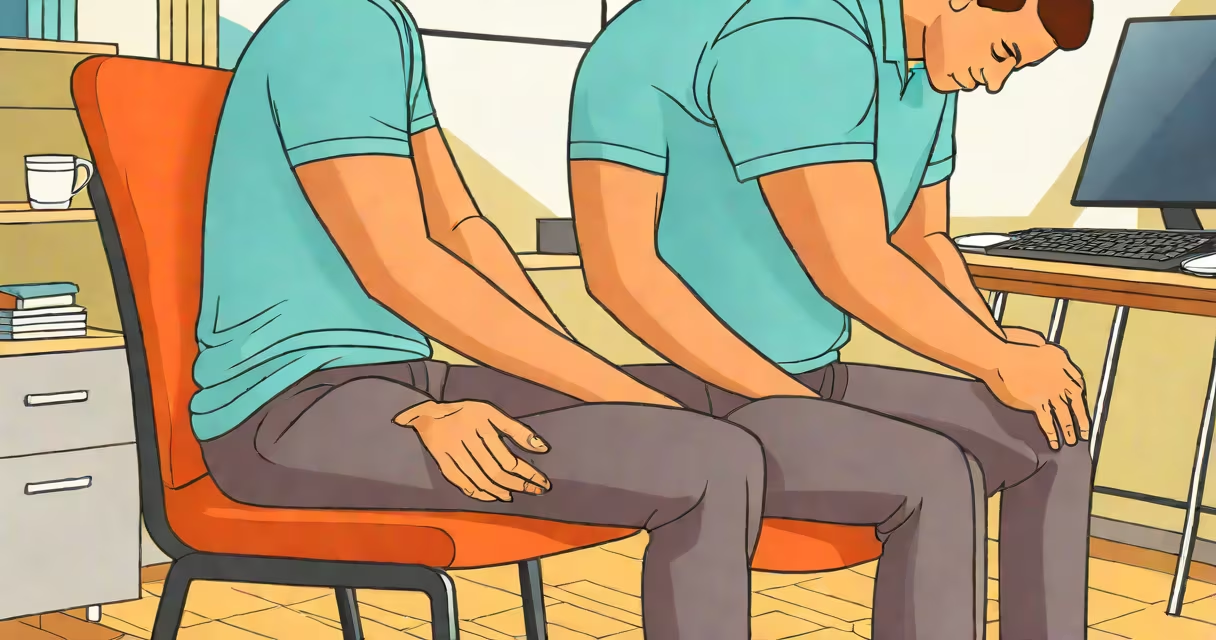
A lower back sprain is a stretch or tear in the ligaments supporting the spine, typically caused by sudden twisting, heavy lifting, or poor posture. It results in localized pain, stiffness, and reduced mobility, often resolving within 2 to 6 weeks with proper care.
Unlike a muscle strain, which affects soft tissue fibers, a sprain damages ligaments-tough bands connecting bones. This distinction matters because treatment priorities differ. Ligaments heal slower and require more protection during early recovery. According to the American Academy of Orthopaedic Surgeons (AAOS), most acute lower back sprains improve within 4 weeks with conservative management.
Immediate symptoms include sharp pain when bending or twisting, tenderness over the lower lumbar region, and difficulty standing upright. Pain may radiate slightly into the buttocks but rarely extends past the knee-unlike sciatica, which stems from nerve compression. If numbness, weakness, or loss of bowel/bladder control occurs, seek emergency care. These signs suggest cauda equina syndrome, a rare but serious condition requiring surgery.
Ligaments stabilize spinal joints. When force exceeds their elastic limit-such as during a sudden pivot while lifting-microtears occur. Blood vessels rupture, causing inflammation, swelling, and pain. The nervous system amplifies discomfort through protective reflexes, limiting motion to prevent further damage.
Healing begins with inflammation, which peaks within 24-72 hours. During this phase, the body sends immune cells to clear debris and initiate repair. Fibroblasts then lay down collagen to rebuild torn fibers. Full strength returns gradually over 6-12 weeks, depending on severity and adherence to rehab.
For mild sprains (Grade I), ligament fibers are stretched but intact. Moderate cases (Grade II) involve partial tears. Severe sprains (Grade III) feature complete ruptures, often requiring imaging and specialist evaluation. MRI scans can confirm ligament integrity when symptoms persist beyond 4 weeks.
Effective recovery hinges on three phases: acute (first 72 hours), subacute (days 4-14), and rehabilitation (after day 14). Each stage demands different interventions.
Acute Phase: Apply ice for 15-20 minutes every 2-3 hours during the first 48 hours. Ice reduces swelling and numbs pain. Avoid heat-increased blood flow during this phase can worsen inflammation. Maintain light activity such as walking for 10-15 minutes every few hours to prevent stiffness. Complete bed rest is discouraged; research shows prolonged inactivity delays healing.
Subacute Phase: After 72 hours, switch to heat therapy. Heat increases circulation, promoting tissue repair. Begin gentle stretching-cat-cow, pelvic tilts, and seated forward bends-to restore range of motion. A 2018 study in *Spine Journal* found that patients who performed daily low-impact exercises recovered faster than those who remained sedentary.
Rehabilitation Phase: Once pain allows, introduce core-strengthening exercises. Planks, bird-dogs, and bridges activate the transverse abdominis and multifidus-deep stabilizers of the lower back. Perform each exercise for 3 sets of 10 reps, twice daily. Progress slowly. Overexertion risks re-injury.
| Phase | Duration | Primary Goal | Key Actions |
|---|---|---|---|
| Acute | 0-72 hours | Reduce inflammation | Ice, limited movement, avoid bending |
| Subacute | Days 4-14 | Restore mobility | Heat, gentle stretching, walking |
| Rehabilitation | Weeks 3-6+ | Build stability | Core strengthening, posture training |
Many people assume "rest is best" and stay in bed for days. But prolonged immobility weakens muscles and stiffens joints. The National Institute of Neurological Disorders and Stroke (NINDS) states that staying active during recovery improves outcomes and lowers recurrence risk.
Another error is using NSAIDs like ibuprofen long-term. While they reduce pain and inflammation, they may delay ligament healing. A 2020 review in *Journal of Orthopaedic Research* found that extended NSAID use impaired collagen synthesis in injured tissues. Limit use to 3-5 days unless directed otherwise.
Some patients attempt aggressive stretching too soon. For example, attempting a full forward fold within a week of injury can strain healing ligaments. Wait until pain-free motion returns before advancing stretches. A personal observation: during a clinic rotation, a patient resumed yoga poses prematurely and reinjured their lower back, extending recovery by three weeks.
See a healthcare provider if pain lasts longer than 4 weeks, worsens despite home care, or limits daily tasks. Imaging like X-ray or MRI may be needed to rule out fractures, herniated discs, or tumors.
If you experience numbness in both legs, difficulty walking, or loss of bladder control, go to the ER immediately. These indicate cauda equina syndrome-a surgical emergency. Delaying treatment risks permanent neurological damage.
Physical therapists specialize in diagnosing and treating musculoskeletal injuries. They assess movement patterns, identify faulty mechanics, and prescribe individualized programs. According to the American Physical Therapy Association, patients who receive PT within six weeks of onset recover faster and report better quality of life.
Most Grade I sprains resolve in 2-4 weeks. Grade II injuries take 4-6 weeks. Grade III sprains may require 8-12 weeks of structured rehab and sometimes bracing. Return to full activity depends on symptom resolution, not calendar time.
Worked example: A 38-year-old office worker strained their lower back while moving a box. They applied ice for 48 hours, walked daily, and began gentle stretches on day 4. By day 10, pain dropped from 7/10 to 2/10. At week 3, they started planks and bird-dogs. By week 5, they returned to work with modified duties. Full return to lifting occurred at week 7, with no recurrence after 6 months.
Prevention includes maintaining core strength, using proper lifting form (bend knees, keep back straight), and avoiding prolonged sitting. Sitting for more than 30 minutes without movement increases disc pressure by 40%, per a 2019 study in *Ergonomics*.
how to cure lower back sprain requires patience, precision, and consistency. Most cases resolve without surgery. Follow evidence-based steps, listen to your body, and seek professional help when needed. Recovery is not linear-but progress is measurable.