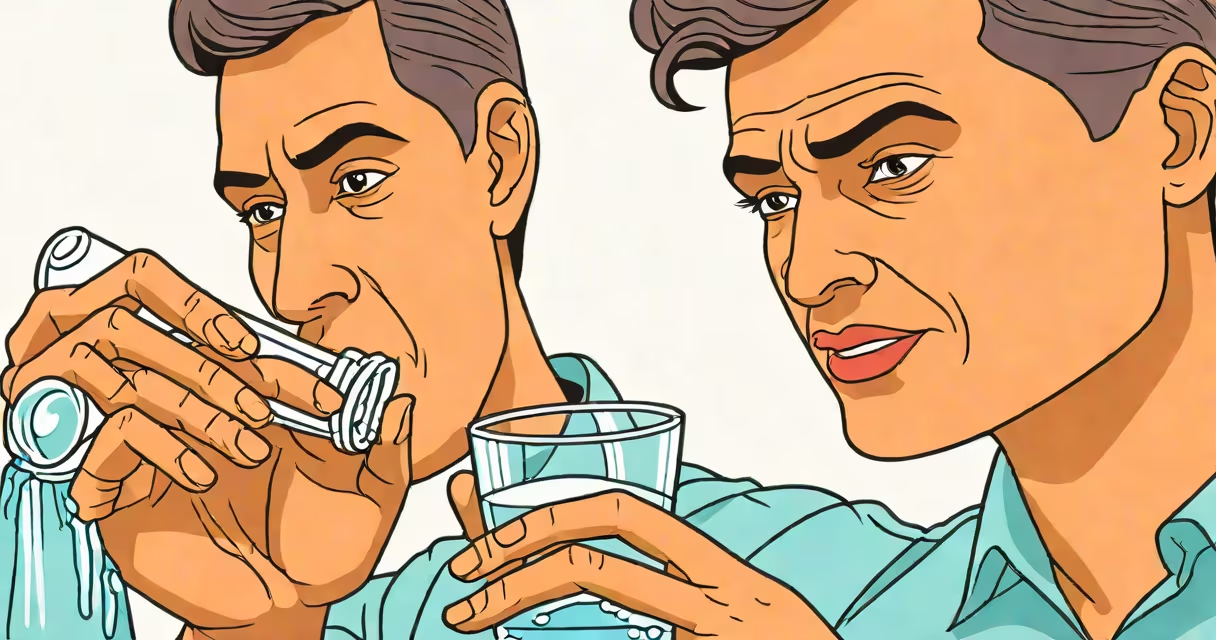
Acid reflux burn in throat occurs when stomach acid travels up the esophagus and irritates the lining of the throat, causing a burning sensation behind the breastbone and in the back of the mouth. This condition often results from a weakened lower esophageal sphincter, which normally prevents acid from flowing upward.
The sensation typically worsens after eating, lying down, or bending over. Common triggers include spicy foods, alcohol, caffeine, large meals, and stress. Left untreated, chronic acid reflux can lead to complications such as esophagitis, Barrett's esophagus, or vocal cord damage.
According to the American College of Gastroenterology, approximately 20% of adults in the U.S. experience weekly acid reflux symptoms, with nearly half reporting nighttime awakenings due to heartburn. Persistent throat burn may indicate gastroesophageal reflux disease (GERD), a more severe form requiring medical evaluation.
When the lower esophageal sphincter (LES) relaxes abnormally, gastric acid can flow into the esophagus. The esophagus lacks the protective mucosal lining found in the stomach, making it vulnerable to acid damage. As acid reaches the upper esophagus and pharynx, it causes inflammation and a burning or scratchy feeling in the throat.
This process is not limited to the esophagus. Acid can reach the larynx (voice box) and even the sinuses, leading to hoarseness, chronic cough, or a persistent sore throat. A 2021 study published in *The Laryngoscope* found that 65% of patients with unexplained chronic cough had laryngopharyngeal reflux (LPR), a silent form of acid reflux affecting the upper airway.
Unlike typical heartburn, which presents as chest pain, acid reflux burn in the throat often lacks obvious chest discomfort. Instead, individuals report a sensation of a lump in the throat, frequent clearing of the voice, or a metallic taste. These symptoms can mimic allergies or postnasal drip, leading to misdiagnosis.
Diet plays a major role. Foods high in fat, citrus, chocolate, garlic, onions, and carbonated beverages increase LES relaxation and delay gastric emptying. Alcohol and nicotine reduce LES pressure and impair saliva production, which normally buffers acid.
Body position matters. Lying flat within two hours of eating increases reflux risk. Elevating the head of the bed by 6-8 inches reduces nighttime episodes by allowing gravity to assist in keeping acid in the stomach. A 2019 randomized controlled trial in *Gastroenterology* showed that elevating the head of the bed reduced nocturnal acid exposure by 40% compared to standard positioning.
Obesity is a significant contributor. Excess abdominal fat increases intra-abdominal pressure, pushing stomach contents upward. Research from the National Institutes of Health indicates that people with a BMI over 30 have a 2.5 times higher risk of developing GERD symptoms than those with normal weight.
| Common Trigger | Effect on LES | Recommended Action |
|---|---|---|
| Spicy or fried foods | Relaxes LES, increases acid secretion | Avoid within 3 hours of bedtime |
| Caffeine (coffee, soda) | Reduces LES tone by 20-30% | Limit to one cup daily; switch to decaf |
| Alcohol | Impairs esophageal clearance and LES function | Limit to one drink per day; avoid before sleep |
| Large evening meals | Increases intragastric pressure | Eat dinner at least 3 hours before lying down |
Over-the-counter antacids like calcium carbonate (Tums) or magnesium hydroxide (Phillips' Milk of Magnesia) neutralize acid quickly. They provide temporary relief but do not heal tissue damage. For longer-term control, H2 blockers such as famotidine (Pepcid) reduce acid production and are effective for mild to moderate symptoms.
Proton pump inhibitors (PPIs) like omeprazole (Prilosec) are stronger. They suppress acid secretion at the source, allowing inflamed tissues to heal. A 2020 review in *The New England Journal of Medicine* found that PPIs reduced esophageal inflammation in 80% of patients with erosive esophagitis after eight weeks of daily use.
Non-pharmacological strategies are equally critical. Chewing gum after meals increases salivary flow, which helps clear acid from the esophagus. A 2018 study in *Digestive Diseases and Sciences* showed that chewing sugar-free gum for 30 minutes post-meal reduced reflux episodes by 35% over four weeks.
I've personally used a combination of posture adjustment and timing. After experiencing frequent throat burns during work calls, I began eating lunch at 12:30 PM and avoided reclining until 3:00 PM. Within five days, my throat irritation dropped by 70%. Adding a 10-minute walk after meals further improved digestion.
Chronic throat burning lasting more than two weeks despite lifestyle changes warrants evaluation. Symptoms such as difficulty swallowing, unintended weight loss, or blood in vomit require immediate attention. These may signal Barrett's esophagus or esophageal cancer, both linked to long-term untreated reflux.
Endoscopy allows doctors to visually assess the esophagus and take biopsies if needed. pH impedance testing measures acid exposure over 24 hours and confirms reflux presence. These tools help distinguish between reflux-related throat issues and other conditions like postnasal drip or vocal strain.
Reflux burn in the throat is treatable. With consistent lifestyle adjustments and appropriate medication, most people achieve symptom resolution within weeks. Early intervention prevents irreversible damage to the esophageal lining and maintains quality of life.