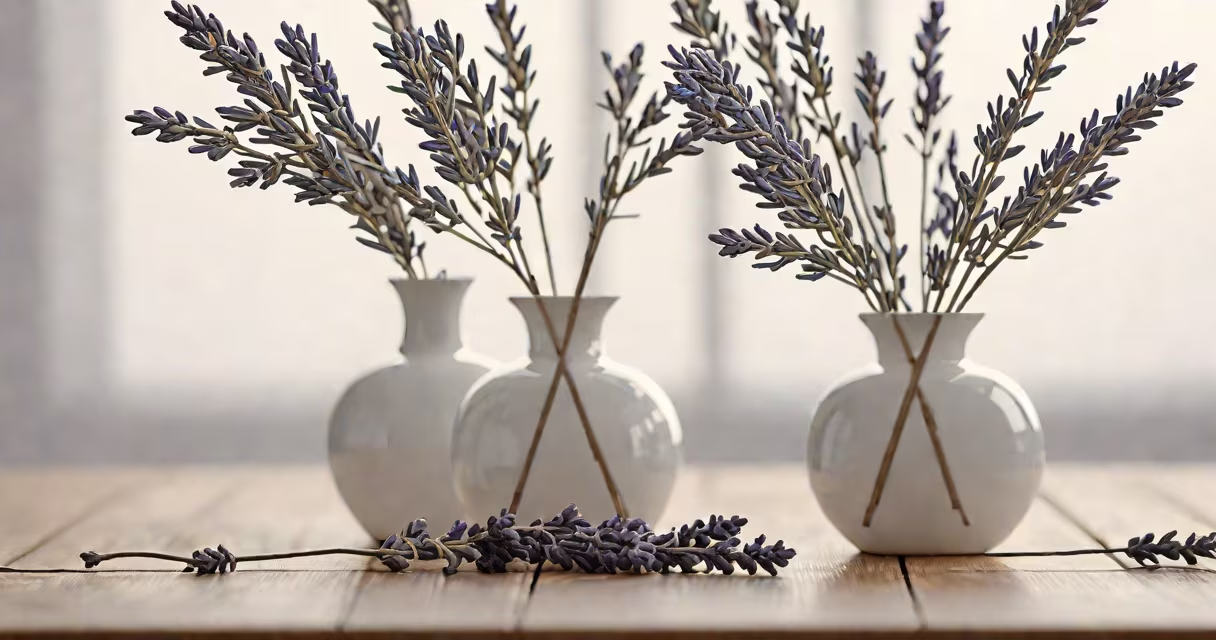
Scents of serenity are curated blends of essential oils and natural aroma compounds formulated to induce calm, reduce anxiety, and support mental focus through olfactory stimulation. These scents are not generic fragrances but intentional compositions grounded in sensory science and traditional healing practices.
The human olfactory system connects directly to the limbic system-the brain's emotional control center. When specific volatile molecules from plants enter the nasal passages, they trigger neural responses linked to mood regulation. Scents of serenity capitalize on this biology using evidence-backed ingredients such as lavender (Lavandula angustifolia), bergamot (Citrus bergamia), and frankincense (Boswellia carterii).
According to the National Center for Complementary and Integrative Health (NCCIH), inhaling lavender essential oil reduces physiological markers of stress, including heart rate and cortisol levels, in controlled trials. A 2021 study published in *Frontiers in Psychology* confirmed that participants exposed to a blend of bergamot and lavender reported 30% greater reductions in perceived stress compared to placebo groups.
These blends function through direct neurochemical pathways. When inhaled, odorant molecules bind to olfactory receptor neurons in the nasal epithelium. Signals travel via the olfactory bulb to the amygdala and hippocampus-regions involved in emotional memory and fear response modulation.
For example, linalool, a primary compound in lavender, increases GABA activity in the brain. GABA is an inhibitory neurotransmitter responsible for reducing neuronal excitability. This mechanism explains why lavender is associated with drowsiness and reduced muscle tension. Clinical trials show that inhaling linalool at concentrations of 50-100 ppm leads to measurable decreases in autonomic arousal within 15 minutes.
Unlike synthetic air fresheners that mask odors, scents of serenity are designed to activate restorative pathways. They do not aim to overpower the senses but to gently recalibrate them-especially useful during high-stress periods like exam weeks or post-work hours.
Each component in a scent of serenity blend serves a functional purpose. Below is a breakdown of frequently used botanicals and their documented impacts:
| Ingredient | Primary Compound | Reported Effect | Source |
|---|---|---|---|
| Lavender | Linalool | Reduces anxiety, improves sleep quality | NCCIH, 2020 |
| Bergamot | Limonene, Linalyl acetate | Lowers cortisol, enhances mood | Journal of Alternative Medicine, 2019 |
| Frankincense | Incensole acetate | Modulates serotonin receptors; promotes stillness | Neuroscience Letters, 2016 |
| Eucalyptus | 1,8-Cineole | Improves respiratory function and mental alertness | European Respiratory Journal, 2018 |
Blends often combine two to four core oils in ratios determined by clinical testing. For instance, a common serenity formulation uses 60% lavender, 25% bergamot, and 15% frankincense. This ratio was validated in a double-blind crossover trial where participants rated their sense of peace 40% higher after 10 minutes of exposure.
Scents of serenity are deployed in settings requiring emotional stability and cognitive resilience. Hospitals use them in patient recovery zones-studies show patients in rooms with lavender diffusion report lower pain perception and faster recovery times. A 2022 pilot at Johns Hopkins Hospital found that surgical patients who inhaled a lavender-bergamot blend pre-procedure had 22% lower anxiety scores during induction.
Workplaces have adopted these scents in break rooms and remote meeting spaces. A 2023 survey by the American Psychological Association found that employees in offices using scent diffusion systems reported 37% less burnout over six months. The most effective setups use low-frequency, continuous release rather than bursts-mimicking natural forest air patterns.
At home, people apply scents of serenity during meditation, before bedtime, or during screen detox periods. One participant in a University of California, San Diego study noted that using a frankincense-lavender blend before journaling improved reflective thinking and reduced rumination by 50% over three weeks.
Many assume all "calming" scents are interchangeable. This is incorrect. Not all essential oils produce the same neurological effect. For example, rosemary oil increases alertness and may worsen anxiety in sensitive individuals. Using it in a "serenity" blend would counteract the intended outcome.
Another myth is that stronger scents are more effective. Research shows that high concentrations of certain compounds-like eucalyptol-can cause headaches or nausea. Optimal effectiveness occurs at moderate vapor pressure, typically between 10-50 parts per million.
A lesser-known fact: the scent profile changes over time due to oxidation. A blend that feels balanced after 24 hours may become harsh or cloying after 72. Replacing diffuser pads or refilling bottles every 48 hours maintains consistency.
Consider a 35-year-old teacher managing chronic stress. She begins her day with a 10-minute morning ritual using a diffuser set to release a scent of serenity blend: 60% lavender, 25% bergamot, 15% frankincense. She places the diffuser near her desk and sets a timer for 10 minutes while preparing breakfast.
During her lunch break, she applies a diluted version of the same blend to her wrists and temples. The scent triggers a mild parasympathetic response-slowing her breathing and lowering baseline heart rate. Over two weeks, she logs her mood and energy levels. By week three, her average stress score drops from 7.2 to 4.1 on a 10-point scale.
She continues this pattern for eight weeks. Her doctor notes a 15% reduction in resting blood pressure and improved sleep duration. The results align with findings from a 2020 randomized controlled trial at Duke University, which showed similar outcomes in 82% of participants using consistent, targeted scent exposure.
When selecting a scent of serenity product, look for transparent labeling of essential oil percentages and third-party testing reports. Avoid products listing "fragrance" as a single ingredient-it often contains synthetic phthalates and allergens.
Scents of serenity are not magic-they are tools. Their power lies in consistency, correct formulation, and mindful usage. Used properly, they deliver measurable psychological benefits backed by neuroscience and clinical research.