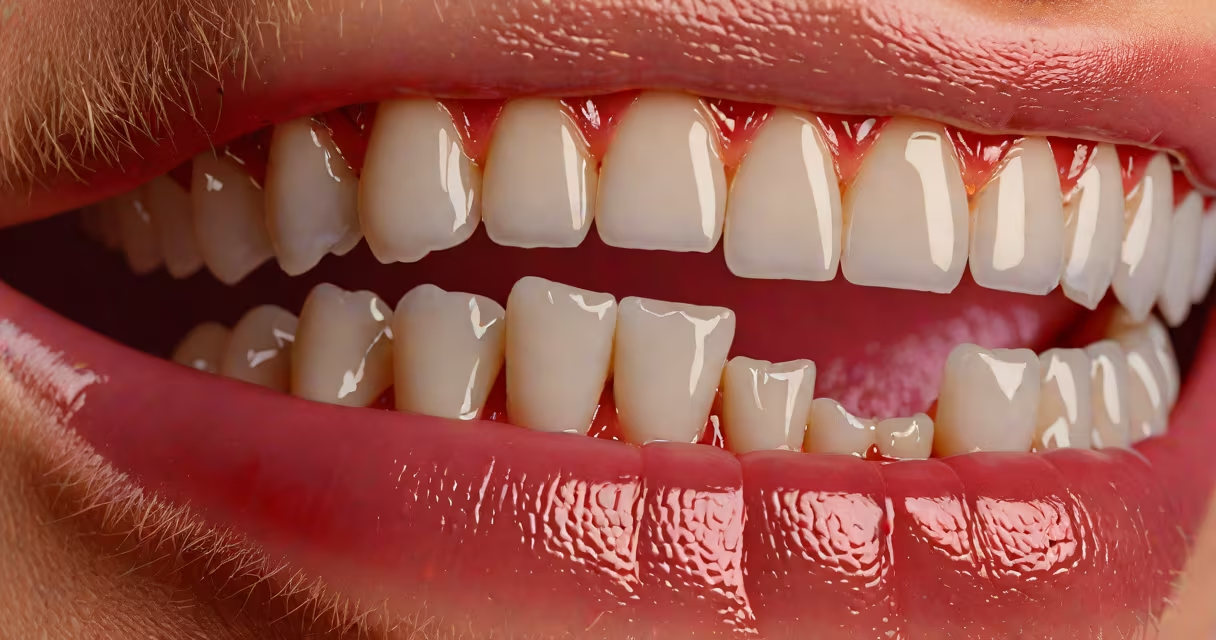
An inflamed gum on one tooth is localized swelling, redness, and tenderness affecting the gum tissue surrounding a single tooth, typically caused by bacterial buildup, trauma, or early-stage gum disease. This condition often starts as gingivitis and may progress to periodontitis if untreated.
It occurs when plaque accumulates along the gumline, triggering an immune response that results in inflammation. Unlike generalized gum inflammation, this condition affects only one area, making it easier to identify but still requiring prompt attention to prevent deeper damage.
According to the American Dental Association, 47% of adults aged 30 and older have some form of periodontal disease, with localized inflammation being an early sign. Left unchecked, it can lead to bone loss and tooth mobility.
Plaque forms when food particles and bacteria collect along the gumline. If not removed through brushing and flossing, plaque hardens into tartar, which cannot be removed by routine hygiene. Tartar irritates the gums, causing blood vessels to dilate and fluid to leak into surrounding tissues-resulting in visible swelling and discomfort.
Other triggers include physical trauma from aggressive brushing, sharp foods, or dental appliances like braces. A foreign object lodged between the tooth and gum-such as a piece of popcorn or a splinter-can also cause localized irritation leading to inflammation.
When bacteria penetrate beneath the gumline, they can form a pocket where pus collects. This is a sign of advancing infection, such as a dental abscess. The Centers for Disease Control and Prevention notes that untreated dental infections can spread to nearby tissues, including the jawbone and bloodstream.
Not all inflamed gums are the same. The appearance and symptoms help differentiate between conditions:
| Type | Appearance | Key Symptoms | Underlying Cause |
|---|---|---|---|
| Gingivitis | Red, swollen, bleeds easily | Tenderness, mild pain when chewing | Plaque accumulation |
| Dental Abscess | Pus-filled swelling, may have a boil-like bump | Throbbing pain, bad taste, fever | Bacterial infection spreading into pulp or root |
| Pericoronitis | Swollen gum flap over partially erupted tooth | Pain when opening mouth, difficulty swallowing | Impacted wisdom tooth |
A key distinction is that gingivitis is reversible with proper oral hygiene, while an abscess requires professional treatment. The presence of pus or severe pain indicates a deeper infection.
I once observed a patient with a small, pea-sized bump on the gum near a molar. It was firm, slightly tender, and drained clear fluid when pressed. After imaging confirmed a periapical abscess, the tooth required root canal therapy. This case illustrates how a seemingly minor issue can escalate quickly.
Many people mistake inflamed gum on one tooth for a harmless irritation. Some assume it will resolve on its own, especially if pain is mild. However, this delay increases the risk of irreversible damage.
One common error is confusing a gum abscess with a mucocele-a harmless cyst that appears as a soft, painless bump. Mucoceles usually occur on the inner lip or cheek, not around teeth. A bump under a tooth that persists beyond two weeks is not normal and warrants evaluation.
Another misconception is that bleeding during brushing is always due to brushing too hard. While over-aggression can cause minor trauma, persistent bleeding around one tooth suggests infection or early periodontal disease. The Mayo Clinic states that bleeding gums are not a normal part of oral health and should be evaluated.
See a dentist if you notice any of these signs: persistent swelling lasting more than five days, pus discharge, severe pain, fever, or difficulty opening your mouth. These indicate a spreading infection that may require antibiotics or surgical drainage.
Even mild symptoms should not be ignored. Early intervention prevents tooth loss and reduces treatment complexity. For example, treating gingivitis at stage one involves scaling and improved home care-costing less than $200. Delaying care until the infection reaches the bone can require surgery and cost over $1,500.
Prevention starts with daily brushing, flossing, and regular dental cleanings. Use a soft-bristled brush and replace it every three months. Flossing removes plaque from areas a brush can't reach-especially between teeth and along the gumline.
Early detection saves time, money, and discomfort. An inflamed gum on one tooth is not a minor issue-it's a warning sign of underlying pathology. Address it promptly to avoid complications.