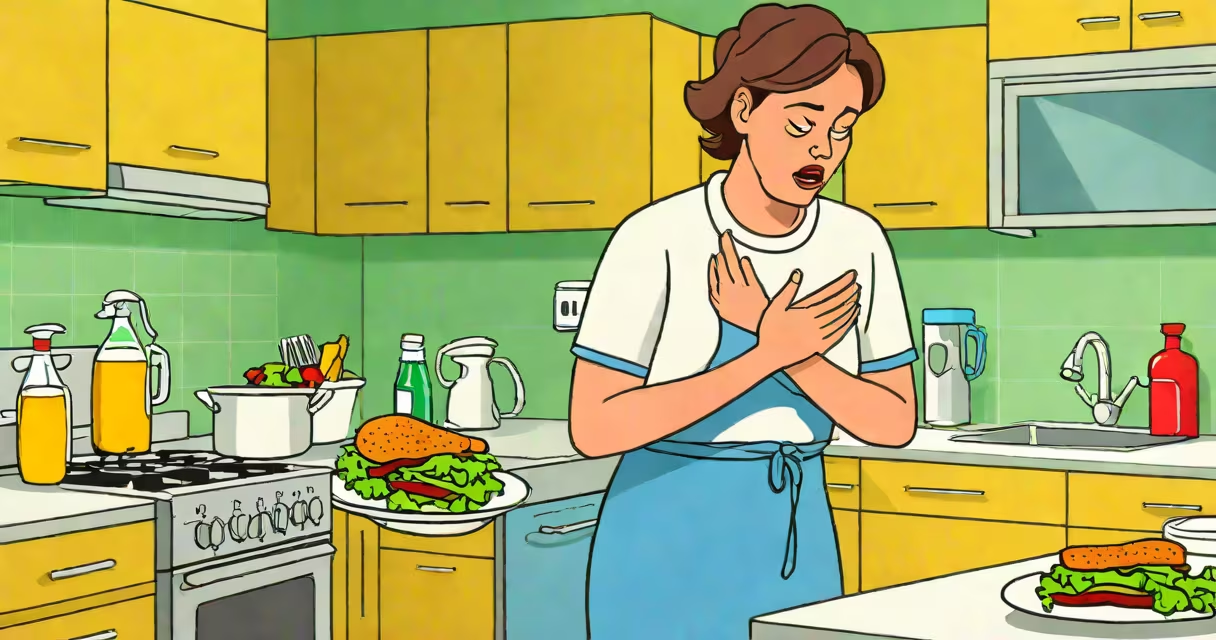
The first signs of food poisoning typically appear within 1 to 6 hours after consuming contaminated food and include nausea, vomiting, watery diarrhea, and abdominal cramping. These symptoms result from toxins produced by bacteria such as Salmonella, E. coli, or Staphylococcus aureus, or from viral agents like norovirus.
Food poisoning occurs when harmful pathogens enter the digestive tract through improperly handled or undercooked food. The most common culprits are bacteria found in raw poultry, unpasteurized dairy, undercooked ground beef, and contaminated produce. Symptoms usually begin abruptly and last between 12 and 48 hours, though duration varies based on the pathogen and individual health.
According to the Centers for Disease Control and Prevention (CDC), each year, approximately 48 million Americans get sick from foodborne illness, leading to 128,000 hospitalizations and 3,000 deaths. Early recognition of symptoms allows for prompt hydration and reduces risk of complications like severe dehydration or reactive arthritis.
After ingestion, pathogens multiply in the gastrointestinal tract and release toxins that irritate the lining of the stomach and intestines. This triggers inflammation, increased fluid secretion, and involuntary muscle contractions-leading to vomiting and diarrhea. The immune system responds by releasing cytokines, which contribute to fever and fatigue.
For example, a meal containing undercooked chicken may harbor Salmonella typhimurium. Within 6 hours, the bacteria invade intestinal cells, causing mucosal damage and fluid loss. A person may then experience sudden nausea, followed by explosive diarrhea and cramping. The body's attempt to expel the toxin accelerates bowel movements, often resulting in 5-10 loose stools per day during peak phase.
Some pathogens act faster than others. Norovirus, responsible for 50% of acute gastroenteritis cases in adults, can cause symptoms within 12 to 48 hours. In contrast, Listeria monocytogenes may take up to 70 days to manifest, making it harder to trace. However, the initial signs-nausea, vomiting, and cramps-are similar across many types.
Different pathogens have unique timelines and symptom profiles. The table below outlines key foodborne illnesses and their typical early signs:
| Pathogen | Typical Onset Time | First Signs | Distinctive Feature |
|---|---|---|---|
| Salmonella | 6-72 hours | Nausea, vomiting, diarrhea, fever | Often linked to eggs, poultry, raw sprouts |
| E. coli O157:H7 | 3-4 days | Severe cramps, watery then bloody diarrhea | Can lead to hemolytic uremic syndrome (HUS) |
| Staphylococcus aureus | 1-6 hours | Sudden nausea, violent vomiting, cramps | Toxin is heat-stable; cooking doesn't destroy it |
| Shigella | 12-72 hours | Fever, frequent small-volume diarrhea, tenesmus | Highly contagious; spreads easily in close quarters |
One non-obvious fact: symptoms from Staphylococcus aureus are among the fastest to appear because the toxin is pre-formed in food before consumption. Even reheating contaminated rice or potato salad won't eliminate the risk-the toxin survives temperatures up to 250°F (121°C).
Early signs of food poisoning are often confused with viral gastroenteritis, especially during winter months. Both conditions share overlapping symptoms-diarrhea, vomiting, cramps-but the triggers differ. Viral causes like rotavirus or norovirus spread via person-to-person contact, while foodborne pathogens come from tainted food.
Another common error is attributing mild symptoms to "indigestion" or "stomach flu." But true food poisoning involves rapid onset and often affects multiple people who ate the same meal. For instance, if five family members develop vomiting and diarrhea within four hours of sharing a picnic lunch featuring ham sandwiches, contamination is likely.
I once observed this pattern during a summer cookout. Two guests reported nausea and cramping within two hours of eating grilled chicken. The host had left the meat out for three hours at room temperature. Testing later confirmed Salmonella in the leftovers. The first signs were clear: nausea first, then vomiting, followed by loose stools. Prompt rehydration prevented hospitalization.
Seek medical attention if symptoms persist beyond 48 hours, involve high fever (>102°F/39°C), blood in stool, or signs of dehydration such as dry mouth, dizziness, or reduced urination. Infants, elderly individuals, pregnant women, and those with weakened immunity are at higher risk for severe outcomes.
Recovery begins with hydration. Oral rehydration solutions with electrolytes are effective for mild to moderate cases. Avoid anti-diarrheal medications unless directed-these can prolong exposure to toxins. Focus on bland foods like bananas, rice, applesauce, and toast (BRAT diet) until symptoms subside.
Recognizing the first signs of food poisoning enables faster response, reduces transmission risk, and prevents complications. Early action-especially hydration and symptom monitoring-can make the difference between a brief illness and a prolonged hospital stay.