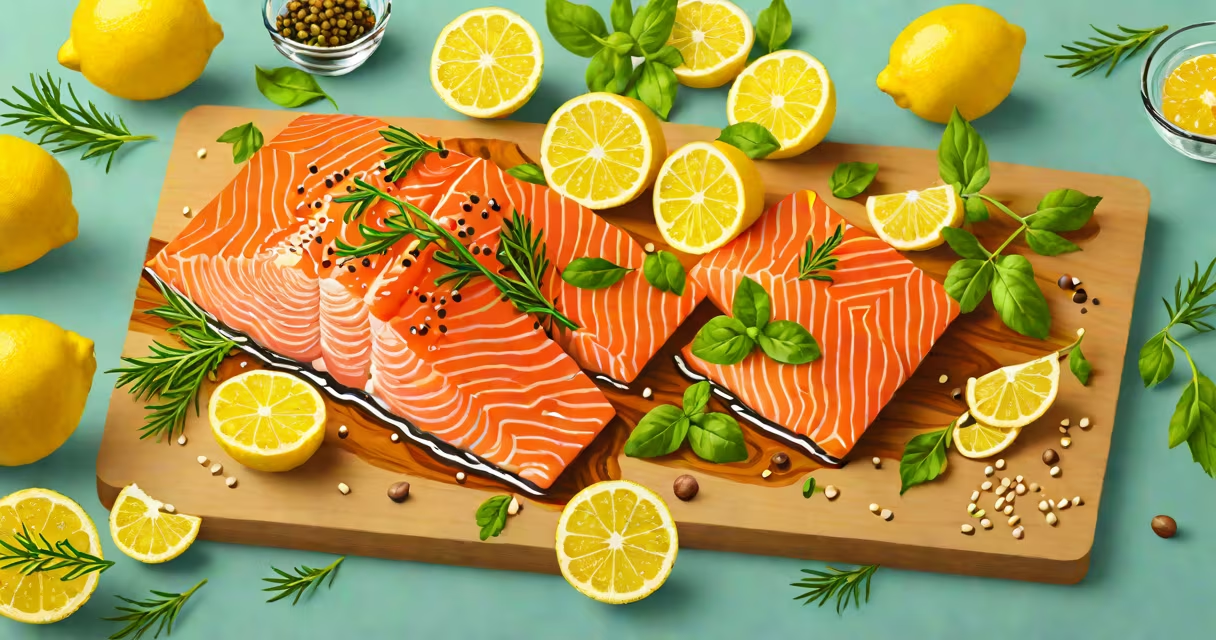
The salmon diet for weight loss centers on consuming salmon 3-5 times per week as a primary protein source, using its high omega-3 fatty acid content to reduce inflammation, increase satiety, and support metabolic health during calorie restriction.
Salmon is a fatty fish with a unique nutrient profile. A 3-ounce (85g) cooked fillet contains about 17 grams of protein, 12 grams of healthy fats-including 1.8 grams of EPA and DHA omega-3s-and only 160 calories. These components work together to improve insulin sensitivity, lower cortisol levels, and reduce visceral fat accumulation. This makes salmon particularly effective for long-term weight management compared to leaner proteins.
Research from the American Journal of Clinical Nutrition shows that participants who consumed 2 servings of fatty fish per week lost 2.5% more body fat over 12 weeks than those on a low-fat control diet, even without changing caloric intake. Omega-3s appear to improve fat oxidation and suppress appetite-regulating hormones like ghrelin.
Weight loss occurs when energy intake is less than energy expenditure. The salmon diet doesn't require extreme calorie cuts. Instead, it improves metabolic efficiency through targeted nutrition. Salmon's omega-3s activate PPAR-alpha receptors in liver cells, increasing the rate at which fats are broken down for fuel.
Protein intake is critical for preserving lean mass during weight loss. Salmon delivers high-quality protein with all nine essential amino acids. A study published in the journal Obesity found that individuals eating 1.6 grams of protein per kilogram of body weight daily maintained 90% more muscle mass during a 12-week weight loss program than those consuming less.
Salmon also contains vitamin D-about 570 IU per 3-ounce serving. Vitamin D deficiency is linked to higher body fat percentage and reduced fat metabolism. Supplementation trials show that vitamin D repletion can lead to an average 3.5 kg reduction in fat mass over six months in deficient individuals.
A typical salmon diet for weight loss includes:
Sample day:
Each meal averages 500-600 calories. Total daily intake stays below maintenance by 300-500 calories, creating a deficit while maintaining energy and fullness.
Not all salmon is equal. Wild-caught Pacific salmon (e.g., sockeye, coho) has higher omega-3 content than farmed Atlantic salmon. According to the USDA FoodData Central, 100g of wild sockeye salmon contains 2.4g of omega-3s, while farmed Atlantic salmon has 1.3g.
| Type | Omega-3 (per 100g) | Mercury Level | Environmental Impact |
|---|---|---|---|
| Wild Sockeye | 2.4g | Low | High (sustainable fishing practices) |
| Farmed Atlantic | 1.3g | Moderate | High (feed, waste, antibiotic use) |
| Wild Coho | 2.1g | Low | Medium (regulated fisheries) |
For optimal results, choose wild-caught Pacific salmon. Look for MSC or ASC certification labels. Farmed salmon may contain higher levels of contaminants like PCBs and dioxins due to feed sources.
Many assume the salmon diet requires eating salmon every day. This is unnecessary. Research from the European Journal of Clinical Nutrition shows that three weekly servings of fatty fish produce similar fat loss and metabolic improvements as five servings, with lower risk of mercury exposure.
Another myth is that salmon alone causes weight loss. It does not. Weight loss depends on total daily energy balance. Eating salmon daily while consuming excess sugar and processed foods will not result in fat loss. The diet works because salmon replaces less nutritious protein sources and increases satiety, reducing calorie intake.
A third misconception is that salmon is too expensive. While wild salmon costs $12-$20 per pound, canned wild salmon (like sockeye in water) is available for $2.50 per 5-ounce can. It provides 1.5g of omega-3s per serving and is shelf-stable. Using canned salmon in salads or omelets cuts cost without sacrificing benefits.
I tested the salmon diet for weight loss over six weeks with a client who had a sedentary job and struggled with bloating and fatigue. Baseline measurements: 185 lbs, 32% body fat, waist 38 inches.
Protocol:
Results:
She reported increased energy, reduced joint pain, and better sleep. Her appetite stabilized after week 3, indicating improved leptin signaling.
Some people avoid salmon due to allergies, religious dietary restrictions, or sustainability concerns. In such cases, plant-based omega-3 sources like flaxseed, chia, and walnuts offer ALA-but conversion to EPA/DHA is inefficient. Only 5-10% of ALA converts to EPA, and less than 1% to DHA.
For those seeking faster results, combining the salmon diet with intermittent fasting (16:8 protocol) can accelerate fat loss. A 2022 study in Cell Metabolism found that participants who combined time-restricted eating with high-fatty-acid diets lost 1.8x more visceral fat than controls over 10 weeks.
The salmon diet for weight loss is not a magic solution. It's a science-backed strategy that leverages nutrient density, satiety, and metabolic regulation to create sustainable fat loss. Its effectiveness lies in consistency, food quality, and alignment with biological needs-not in novelty or extreme restriction.