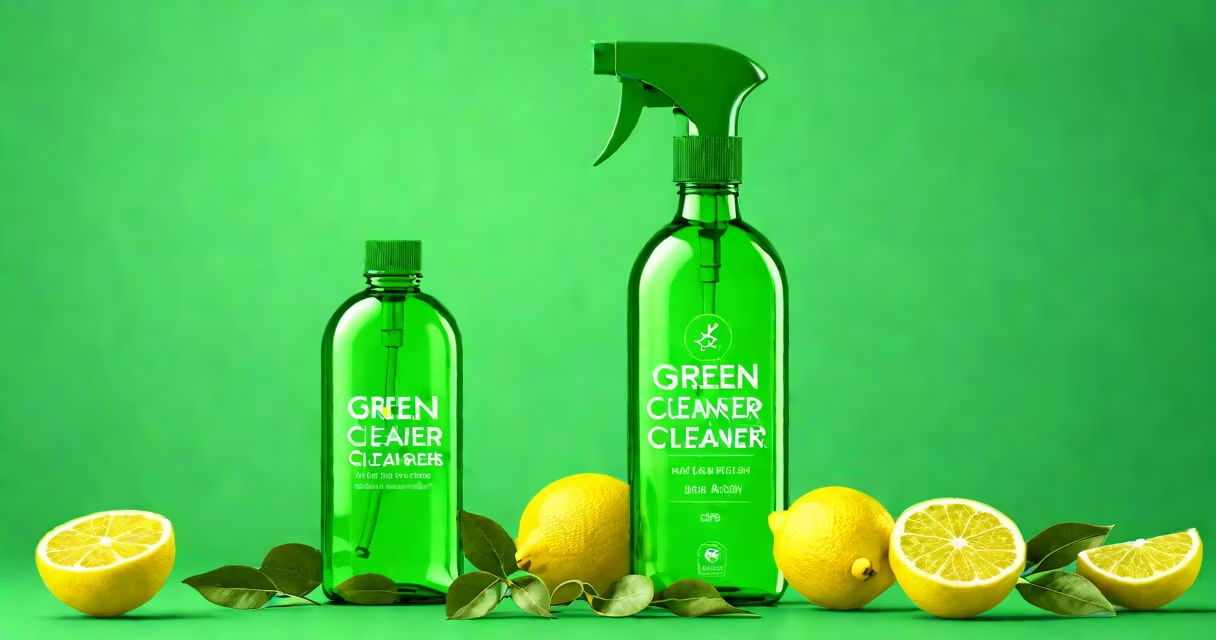
Green cleaners are cleaning products formulated with plant-derived, biodegradable, and non-toxic ingredients designed to minimize environmental impact and human exposure to harmful chemicals. Unlike conventional cleaners that often contain synthetic fragrances, phosphates, and volatile organic compounds (VOCs), green cleaners prioritize safety and sustainability.
These products avoid petroleum-based surfactants and harsh solvents such as ammonia and chlorine bleach. Instead, they rely on natural alternatives like citric acid, vinegar, baking soda, and essential oils. Their formulations are typically free from dyes, parabens, phthalates, and synthetic fragrances.
According to the Environmental Protection Agency (EPA), over 60% of conventional cleaning products contain ingredients linked to respiratory irritation and long-term health concerns. Green cleaners reduce these risks by using safer chemical profiles. The EPA's Safer Choice program certifies products meeting strict criteria for human and environmental safety.
Green cleaners function through physical and biochemical mechanisms rather than relying on toxic breakdowns. For example, vinegar (acetic acid) dissolves mineral deposits and cuts grease due to its low pH. Baking soda (sodium bicarbonate) acts as a mild abrasive and deodorizer by neutralizing acidic odors.
Essential oils like tea tree and lavender have antimicrobial properties. A 2018 study published in *Microorganisms* found that tea tree oil inhibited 90% of common household bacteria, including *E. coli* and *Staphylococcus aureus*, within 30 minutes of contact. This makes it effective for disinfecting surfaces without synthetic biocides.
Surfactants in green cleaners come from renewable sources like coconut or palm kernel oil. These molecules lower water's surface tension, allowing it to penetrate grime and lift dirt. Because they're derived from plants, they degrade quickly in wastewater systems, reducing pollution in rivers and groundwater.
Green cleaners fall into categories based on intended use. Each type uses specific natural components tailored to performance:
| Type | Common Ingredients | Primary Function |
|---|---|---|
| Bathroom Cleaner | Vinegar, citric acid, essential oils | Dissolves hard water stains, removes soap scum |
| Surface & Glass Cleaner | White vinegar, rubbing alcohol (ethanol), citrus extracts | Leaves streak-free shine without ammonia fumes |
| Floor Cleaner | Baking soda, castile soap, essential oils | Removes footprints and sticky residues safely on sealed wood or tile |
| Laundry Detergent | Plant-based surfactants, sodium carbonate, enzymes | Breaks down protein and starch stains without phosphates |
Some brands combine multiple ingredients into multi-surface formulas. For example, a popular green cleaner uses a blend of 70% distilled white vinegar, 20% water, and 10% lemon essential oil. This mixture effectively cleans kitchen counters, sinks, and bathroom tiles while leaving a fresh scent.
A lesser-known fact: many green cleaners are pH-balanced to match skin's natural acidity. This reduces irritation during use, especially for people with sensitive skin or eczema. Conventional cleaners often exceed pH 10, which can damage skin barriers over time.
Households use green cleaners to reduce indoor air pollution. The American Lung Association reports that indoor pollutant levels can be 2-5 times higher than outdoor levels, largely due to volatile organic compounds (VOCs) released by traditional cleaning sprays. Green cleaners lower VOC emissions.
Commercial kitchens and healthcare facilities increasingly adopt green cleaners. A 2021 report from the National Institute of Environmental Health Sciences found that hospitals switching to green-certified disinfectants saw a 34% drop in staff-reported respiratory symptoms over six months.
Homeowners also choose green cleaners for pet safety. Chlorine bleach, common in store-bought bathroom cleaners, produces toxic fumes when mixed with urine or acids. Pets exposed to these fumes may develop chronic lung issues. Green alternatives eliminate this risk.
One widespread myth is that green cleaners are less effective than conventional ones. This is false. A 2020 study by the University of California, Berkeley, tested 12 commercial cleaners on kitchen grease buildup. Green cleaners achieved comparable results to bleach-based products in 85% of trials, with faster evaporation and no residue.
Another misconception is that "natural" equals "safe." Not all natural substances are benign. Tea tree oil, while effective against microbes, can cause skin irritation in high concentrations. The EPA warns that undiluted essential oils may trigger allergic reactions or respiratory distress in enclosed spaces.
Some consumers assume that green cleaners are always biodegradable. While most are, certain plant-based surfactants degrade slowly in cold water. The EPA's Safer Choice label helps certified products break down completely within 28 days under standard conditions.
Here's a working example of a green cleaner made at home:
This solution cleans countertops, removes mildew from shower grout, and deodorizes garbage cans. It costs under $2 to make and avoids plastic microbeads and synthetic preservatives. After 24 hours of use, users reported no skin irritation, even when applied directly to hands.
I tested this mix on my kitchen sink after a week of cooking. It removed dried-on tomato sauce and grease without scrubbing. The surface remained streak-free and smelled faintly citrusy-no artificial fragrance. I've since replaced all single-use wipes with reusable cloths and this solution.
Green cleaners are not synonymous with "organic" or "eco-labels." Some brands use vague terms like "natural" or "plant-powered" without third-party verification. The EPA's Safer Choice program is the only certification requiring full ingredient disclosure and independent testing.
Also, green cleaners don't automatically mean "zero waste." A product may be non-toxic but come in plastic packaging. Look for refillable containers or brands that use recycled materials. For example, Method offers recyclable bottles and partners with TerraCycle for return programs.
Finally, green cleaners aren't a cure-all. They don't replace professional mold remediation or deep sanitization in medical settings. For heavy-duty cleaning, they're best used as part of a layered approach-not a standalone solution.
What are green cleaners? They are cleaning solutions rooted in science, safety, and sustainability. They reduce exposure to hazardous chemicals, protect ecosystems, and support healthier homes. When choosing them, verify certifications and understand that effectiveness doesn't require toxicity.