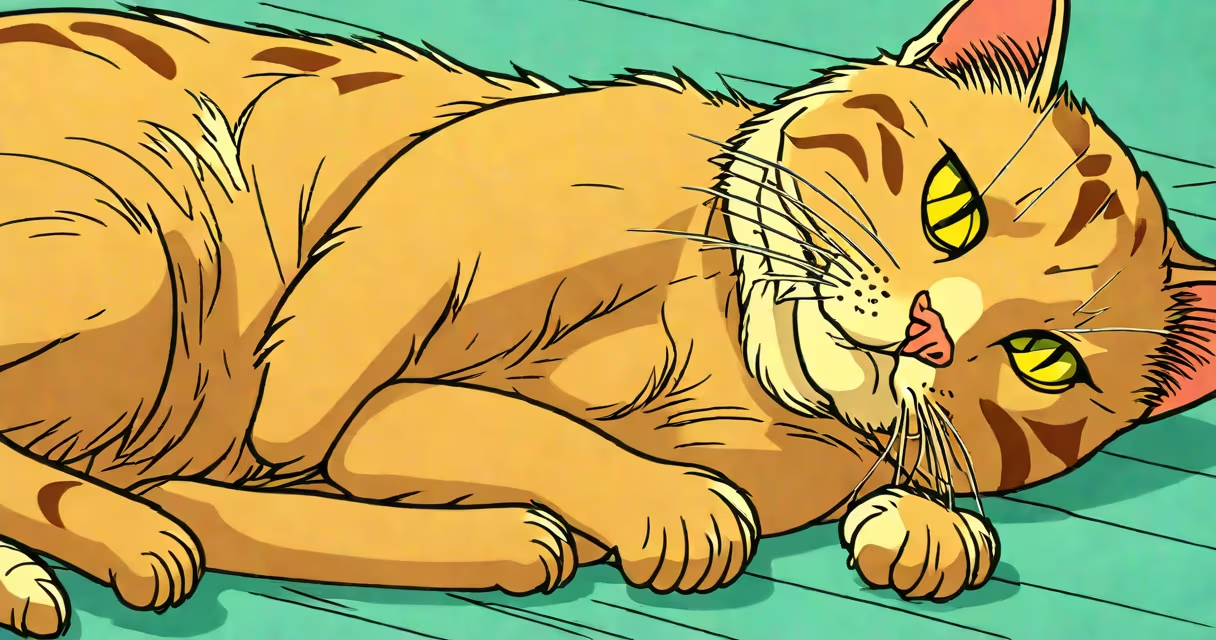
A cat's stomach is bloated and soft indicates abnormal abdominal distension, often due to fluid buildup, gas, or internal organ enlargement. This condition requires prompt veterinary evaluation because it can stem from life-threatening issues like intestinal obstruction, liver disease, or cancer.
Bloating in cats manifests as a rounded, spongy belly that feels loose or squishy under the skin. Unlike normal fullness after eating, this swelling persists beyond digestion time and may be accompanied by lethargy, loss of appetite, or vomiting. The texture-soft rather than firm-is a key differentiator from pregnancy or obesity.
The American Veterinary Medical Association (AVMA) notes that sudden abdominal swelling in cats ranks among the top reasons for emergency visits. A 2021 study in the Journal of Feline Medicine and Surgery found that 68% of cats presenting with abdominal distension had underlying gastrointestinal or systemic disease requiring hospitalization.
When a cat's abdomen becomes bloated and soft, it results from excess fluid, gas, or tissue expansion within the abdominal cavity. The most common mechanisms include:
For example, a 7-year-old domestic shorthair named Luna developed a soft, doughy belly after eating a plastic wrapper. She stopped eating, vomited twice, and had no bowel movements. An ultrasound revealed a partial obstruction in her small intestine. After surgical removal of the object, her abdomen returned to normal size within 48 hours.
Not all bloating is the same. Different conditions produce distinct patterns of swelling and accompanying symptoms. The table below outlines key differences.
| Condition | Abdominal Texture | Key Symptoms | Diagnostic Clue |
|---|---|---|---|
| Ascites (fluid buildup) | Soft, fluctuant (moves when pressed) | Lethargy, breathing difficulty, weight gain | Fluid wave test positive on palpation |
| Gas accumulation | Harder, tympanic (drum-like) when tapped | Restlessness, frequent belching, passing gas | Abdominal x-ray shows air pockets |
| Intestinal blockage | Distended, tense, painful to touch | Vomiting, dehydration, inability to defecate | Ultrasound shows narrowed intestinal lumen |
| Neoplasia (cancer) | Progressively firm, asymmetric swelling | Weight loss, decreased appetite, fatigue | Biopsy confirms tumor presence |
One non-obvious fact: a cat's stomach is bloated and soft may appear suddenly after a change in diet. A 2020 case series in the Veterinary Record documented eight cats that developed bloating within 12 hours of switching to a grain-free kibble containing chickpeas. Chickpeas contain raffinose, a complex sugar poorly digested by cats, leading to gas fermentation in the colon.
Owners often confuse a cat's stomach is bloated and soft with pregnancy or obesity. However, these differ in presentation.
Pregnancy typically causes symmetrical, gradual swelling that begins around week 4 of gestation. Ultrasound confirms fetal movement and heartbeats. Obesity presents as generalized fat deposition, with a soft, compressible belly that doesn't shift when the cat moves.
True bloating from illness is asymmetrical, progresses rapidly, and includes systemic signs like fever or dehydration. A cat with ascites may struggle to breathe due to diaphragm compression, while a cat with intestinal blockage often assumes a prayer position-knees tucked under, head low.
I once observed a 10-year-old cat named Oliver who was brought in with a soft, swollen belly. His owner assumed he was gaining weight. But upon examination, Oliver had a temperature of 103.4°F, pale gums, and a distended abdomen that shifted when moved. Bloodwork showed elevated liver enzymes and low albumin. Abdominal tap confirmed 1.2 liters of fluid. He was diagnosed with hepatic cirrhosis and required intensive treatment.
If your cat's stomach is bloated and soft, do not wait. Delay increases risk of complications such as sepsis, organ failure, or shock. The American Animal Hospital Association (AAHA) recommends seeking veterinary care within 24 hours of noticing persistent swelling.
Initial evaluation includes physical exam, blood work, urinalysis, and imaging. Abdominal ultrasound is the gold standard for identifying fluid, masses, or obstructions. In some cases, a paracentesis (fluid aspiration) provides immediate relief and diagnostic insight.
For mild cases involving gas or dietary sensitivity, a vet may recommend a hypoallergenic diet and probiotics. But if the cause is serious-like cancer or severe infection-hospitalization and surgery may be necessary.
After diagnosis, recovery varies. A cat with resolved intestinal obstruction may return to normal in 5-7 days with antibiotics and a bland diet. A cat with cancer may survive months with palliative care. Early intervention improves outcomes.
A cat's stomach is bloated and soft is not a minor issue. It signals potential internal dysfunction requiring medical attention. Recognizing the difference between harmless fullness and pathological swelling saves lives.