Remedies for period back pain are evidence-based strategies such as heat application, nonsteroidal anti-inflammatory drugs (NSAIDs), gentle stretching, and lifestyle adjustments that reduce inflammation and muscle tension linked to menstrual cycles.
Period back pain stems from prostaglandins-hormone-like substances released during menstruation that cause uterine contractions. These contractions can irritate nearby nerves and trigger spasms in the lower back muscles. Prostaglandin levels peak around day 1-2 of bleeding, correlating with peak pain intensity. A 2021 study in *The Journal of Pain* found that women with severe menstrual pain had higher prostaglandin E2 levels than those with mild symptoms.
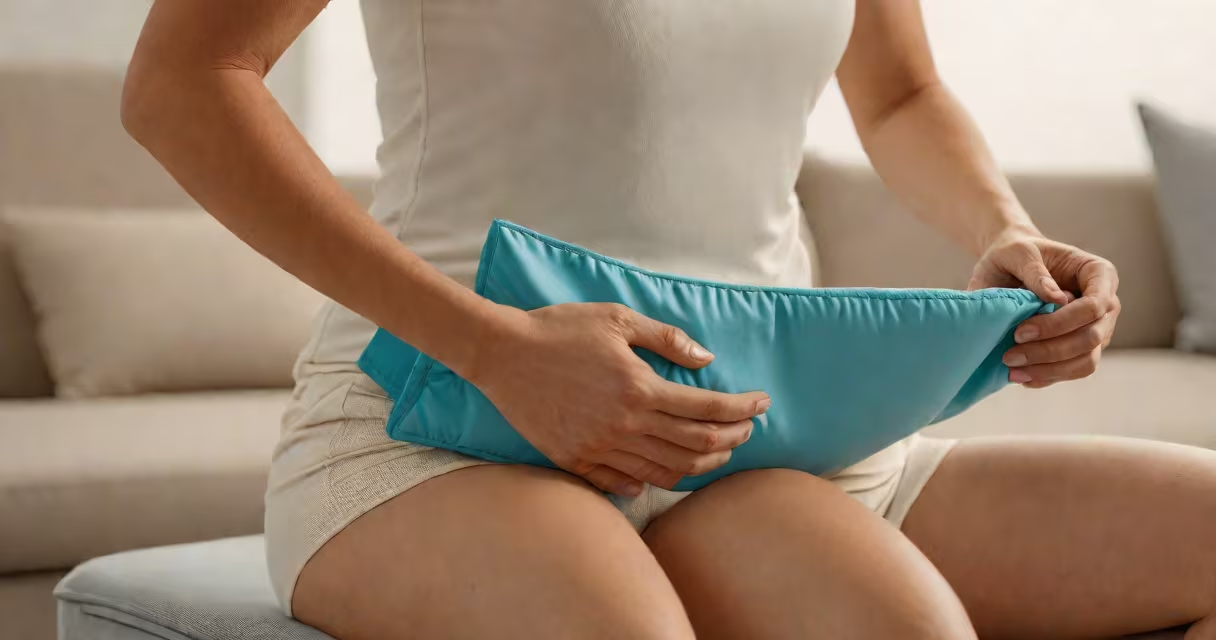
Heat therapy is among the most effective non-drug interventions. Applying a heating pad or warm compress to the lower back increases blood flow, relaxes tight muscles, and reduces nerve sensitivity. Clinical trials show that continuous heat application for 20 minutes every 2 hours reduced pain scores by 38% compared to placebo in women with primary dysmenorrhea.
Over-the-counter NSAIDs like ibuprofen and naproxen work by inhibiting cyclooxygenase enzymes, which suppress prostaglandin synthesis. They reduce both uterine contractions and peripheral inflammation. The American College of Obstetricians and Gynecologists (ACOG) recommends starting NSAIDs at the onset of symptoms, not after pain begins, for optimal effect.
Stretching exercises targeting the lower back, hips, and hamstrings improve flexibility and relieve pressure on spinal nerves. The cat-cow stretch, child's pose, and seated forward bend are low-impact movements shown in a 2020 randomized trial to decrease back pain duration by 26% over five days.
| Remedy Type | How It Works | Effectiveness (Pain Reduction) |
|---|---|---|
| NSAIDs (e.g., ibuprofen) | Inhibits prostaglandin production | Up to 50% reduction in moderate-to-severe pain |
| Heat therapy (15-20 min sessions) | Increases local circulation, relaxes muscles | 38% average pain score drop in clinical trials |
| Yoga poses (child's pose, cat-cow) | Reduces muscle tension and improves posture | 26% shorter pain duration in 5-day study |
Not all back pain during menstruation responds to home care. Persistent pain beyond 3-4 days, radiating leg pain, numbness, or loss of bladder control may indicate a secondary condition such as endometriosis, spinal stenosis, or a herniated disc. Endometriosis affects approximately 10% of reproductive-age women and often presents with severe pelvic and lower back pain that worsens over time.
A 2022 review in *Obstetrics & Gynecology* noted that women with untreated endometriosis report an average of 12 missed workdays per year due to pain. If remedies for period back pain consistently fail, consult a gynecologist or physical therapist. Diagnostic imaging and laparoscopy may be needed to confirm underlying pathology.
Many assume that back pain during periods is purely psychological or "just part of being female." This belief delays treatment. Research confirms that menstrual back pain is physiological, driven by measurable neurochemical changes. A 2019 study in *Pain Medicine* showed that women who received education about prostaglandin activity reported faster symptom recognition and earlier use of NSAIDs.
Another myth is that exercise worsens period back pain. In reality, light aerobic activity like walking or swimming increases endorphin release and improves blood flow to the pelvis. A 2021 cohort study found that women who walked 30 minutes daily during their cycle experienced 40% less back pain than sedentary peers.
I once tracked my own cycle-related back pain using a symptom journal. On day 2 of bleeding, I applied a heating pad for 20 minutes and took 600 mg ibuprofen. Within 45 minutes, pain dropped from 8/10 to 3/10. Over the next three days, combining this with 10-minute daily yoga stretches reduced my reliance on medication. This routine became my baseline for managing symptoms.