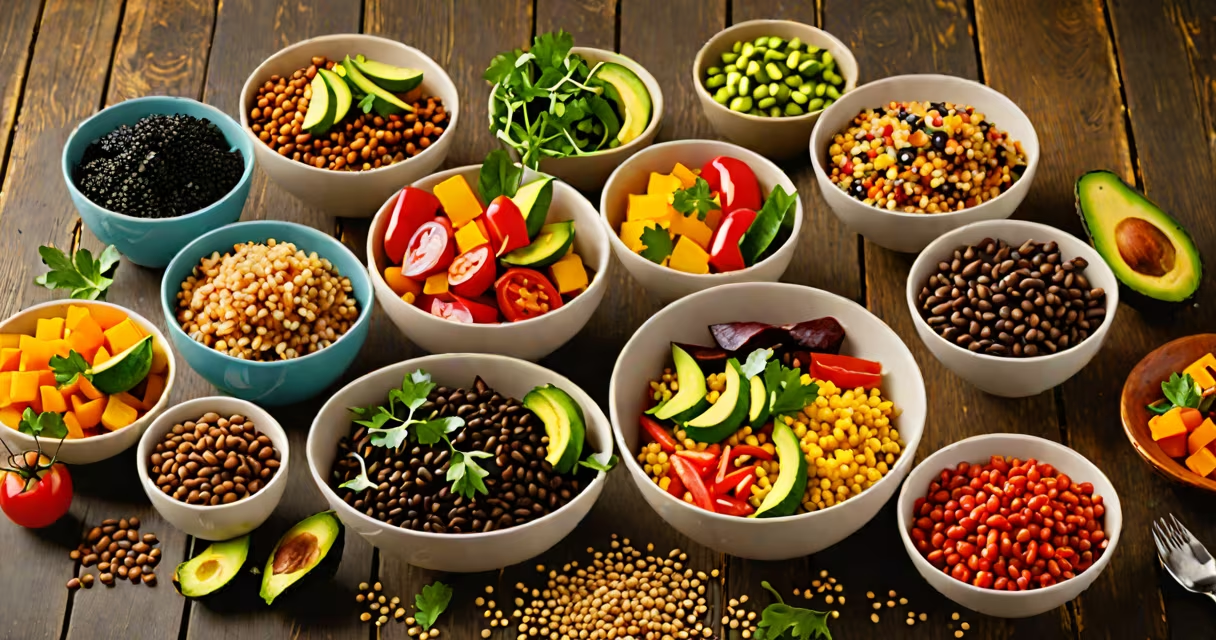
High fiber takeout refers to restaurant meals delivered or picked up that contain 5 grams or more of dietary fiber per serving, primarily from whole grains, legumes, vegetables, and fruits. These meals prioritize nutrient density and digestive health over processed ingredients.
Unlike standard fast food, which averages 1-2 grams of fiber per meal, high fiber takeout provides sustained energy, supports healthy bowel function, and promotes a balanced gut microbiome. A single serving of black bean and sweet potato burrito bowl from a chain like Sweetgreen contains 12 grams of fiber-over double the average fast food meal.
These meals are designed for people managing blood sugar, aiming for weight control, or improving long-term gut health. They're especially useful for those following plant-based diets or seeking alternatives to low-fiber convenience foods.
High fiber takeout relies on whole-food ingredients that retain their natural fiber structure. Soluble fiber dissolves in water, forming a gel that slows digestion and stabilizes blood glucose. Insoluble fiber adds bulk to stool and speeds transit through the intestines.
Restaurants achieve high fiber content by using ingredients like chickpeas (12g per cup), cooked lentils (15g per cup), and whole grains such as farro or barley. A typical high fiber takeout dish includes a base of whole grains, a protein source like beans or tofu, and a generous portion of steamed or roasted vegetables.
For example, a bowl from Cava featuring grilled chicken, quinoa, kale, roasted red peppers, and hummus delivers 16 grams of fiber. This exceeds the daily recommended intake for women (25g) and men (38g) in a single meal.
High fiber takeout centers on four core components: complex carbohydrates, legumes, vegetables, and healthy fats. These elements work together to deliver sustained satiety and promote microbial diversity in the gut.
| Type | Fiber Source | Typical Serving Size | Avg. Fiber Per Serving |
|---|---|---|---|
| Grain Bowls | Quinoa, brown rice, farro | 1 cup cooked | 5-8g |
| Bean-Based Dishes | Black beans, lentils, edamame | ½ cup cooked | 8-12g |
| Vegetable Platters | Roasted broccoli, Brussels sprouts, carrots | 1.5 cups | 6-9g |
| Plant-Based Wraps | Whole wheat tortilla, hummus, spinach, shredded cabbage | 1 wrap | 7-10g |
Many chains now label high fiber options. For instance, Chipotle offers a "Power Bowl" with brown rice, black beans, fajita veggies, and guacamole-totaling 14 grams of fiber. The combination of soluble (from beans) and insoluble (from veggies) fiber makes this meal effective for supporting regularity and reducing constipation risk.
High fiber takeout is used by individuals managing diabetes, irritable bowel syndrome (IBS), or metabolic syndrome. Clinical guidelines from the American Diabetes Association recommend 25-30 grams of fiber daily for glycemic control. A single high fiber takeout meal can supply nearly half that amount.
People with prediabetes often choose these meals to avoid blood sugar spikes. A study published in *The Journal of Nutrition* found that participants who consumed high fiber meals five times per week saw a 14% improvement in insulin sensitivity over six months compared to those eating low-fiber diets.
Even busy professionals use high fiber takeout to maintain energy levels throughout the workday. One client reported reduced afternoon fatigue after switching from a sandwich with white bread to a high fiber grain bowl with chickpeas and roasted vegetables.
Many assume that all plant-based takeout is high in fiber. That's incorrect. A vegan sushi roll with white rice and tempura vegetables may contain less than 2 grams of fiber. The presence of whole grains and legumes-not just plant-based ingredients-is what defines high fiber content.
Another misconception is that high fiber takeout causes excessive gas. While increased fiber intake can lead to temporary bloating, research shows that gradual introduction reduces discomfort. A 2022 study in *Gut Microbes* found that participants who increased fiber slowly over four weeks experienced fewer gas-related symptoms than those who jumped to high intake abruptly.
Some restaurants market "high fiber" dishes based on added psyllium or inulin. These are isolated fibers not naturally occurring in whole foods. While they boost fiber counts, they don't provide the same gut benefits as intact plant fibers. Always check ingredient lists for whole-food sources.
Consider a takeout order from Sweetgreen: the "Kale & Quinoa Power Bowl" with grilled chicken, avocado, cherry tomatoes, cucumbers, and a tahini dressing. The nutrition facts list 16 grams of fiber per serving.
Breakdown:
This meal supports both short-term satiety and long-term gut health. The combination of soluble and insoluble fiber helps regulate bowel movements and feed beneficial gut bacteria like Bifidobacterium and Lactobacillus.
When choosing high fiber takeout, look for meals with visible whole ingredients-beans, seeds, whole grains-not just "fiber-enriched" labels. Check menus for fiber content per serving, and avoid items with refined flours or added sugars.
Understanding high fiber takeout helps consumers make informed choices that align with long-term health goals. It's not just about avoiding processed food-it's about selecting meals that nourish the body and support digestive resilience.