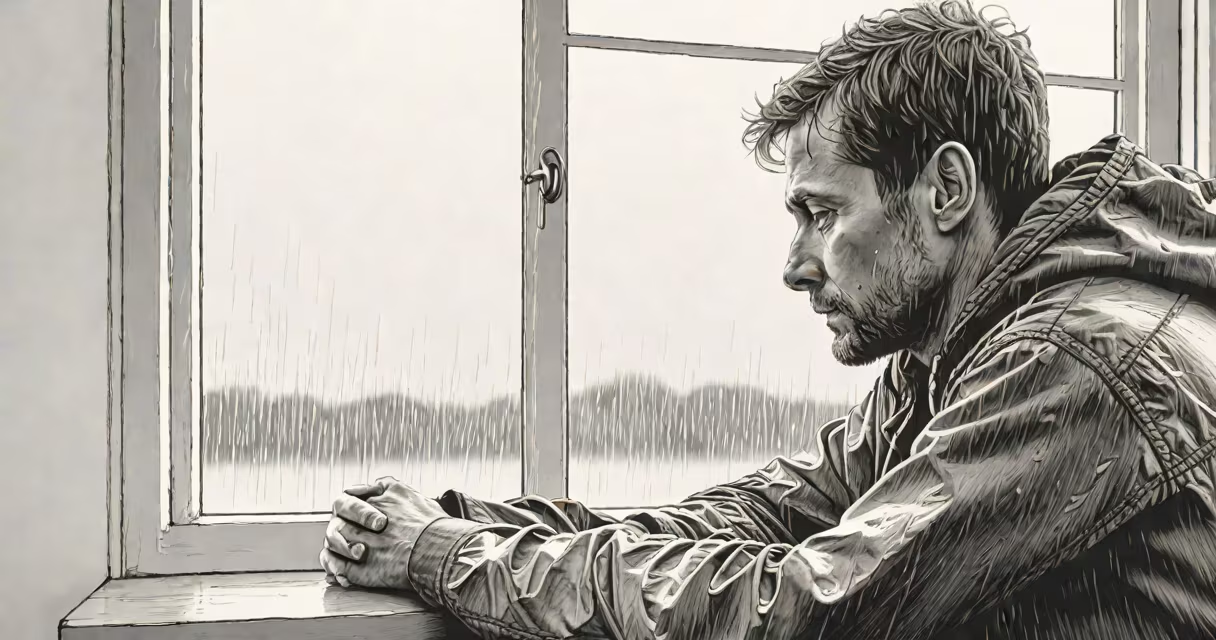
Rain self compassion is the intentional act of offering kindness and understanding to oneself during moments of pain, failure, or difficulty-especially when facing setbacks or emotional storms. It involves acknowledging suffering without judgment and responding with care, much like you would comfort a close friend. This practice is grounded in mindfulness, self-kindness, and recognition of shared human struggle.
Unlike self-criticism, which amplifies distress, rain self compassion creates psychological safety. It doesn't deny hardship-it meets it with presence and gentleness. Research shows people who practice it report lower anxiety, reduced depressive symptoms, and greater emotional resilience. Dr. Kristin Neff, a leading researcher in self-compassion, defines it as "treating yourself with the same kindness you'd offer a friend in distress." Her work, published in the Journal of Personality and Social Psychology, confirms that self-compassion correlates strongly with well-being and mental health.
The term "rain" in rain self compassion evokes the idea of enduring emotional weather-storms of failure, grief, or burnout. Just as rain nourishes soil, self-compassion sustains the mind through difficult seasons. It's not passive acceptance; it's active care. You don't wait for conditions to improve-you meet yourself where you are.
Self-compassion operates through three core components: mindfulness, self-kindness, and common humanity. Mindfulness means observing painful thoughts without suppressing or exaggerating them. Self-kindness is replacing harsh inner voices with gentle, supportive language. Common humanity reminds us that suffering is universal-not a personal flaw.
When you're overwhelmed by stress, for example, rain self compassion stops the cycle of rumination. Instead of thinking, "I'm failing because I'm weak," you pause and say, "This is hard. Many people feel this way. I don't have to fix it right now-I can just be here with it." This shift reduces cortisol levels and activates brain regions linked to calm and connection, according to neuroimaging studies from the University of Wisconsin-Madison.
A real-world example: After missing a deadline, a worker feels shame. Rain self compassion interrupts that spiral. They acknowledge, "I'm disappointed in myself," then add, "But everyone makes mistakes. I've handled tough projects before. I'll adjust my plan and try again." This response avoids both denial and self-punishment. It creates space for recovery.
While the foundation is consistent, rain self compassion takes different shapes depending on context and individual needs. These aren't rigid categories but practical approaches:
| Form | Description | Use Case |
|---|---|---|
| Verbal self-talk | Using kind, supportive phrases internally ("This is tough, but I'm doing my best"). | During panic attacks, public speaking, or daily stress. |
| Body-based practices | Placing a hand on the heart, gentle touch, or mindful breathing. | When emotions feel overwhelming or physical tension arises. |
| Written reflection | Writing letters to yourself from a compassionate perspective. | After conflict, rejection, or major life changes. |
| Guided exercises | Audio or video-led practices focusing on soothing imagery and breath. | For beginners or those struggling with consistency. |
One form often overlooked is ritualized self-compassion. For instance, lighting a candle each evening while reflecting on one thing you're grateful for about yourself-even small things-builds a habit of inward care. This isn't about grand gestures. It's about consistency.
People frequently confuse rain self compassion with self-indulgence. But it's not about giving in to every urge or avoiding effort. A study in the journal *Psychological Science* found that individuals high in self-compassion were more likely to take responsibility for mistakes and make behavioral changes-because they weren't paralyzed by fear of failure.
Another myth is that self-compassion leads to complacency. On the contrary, research from the University of Texas shows that self-compassionate people are more motivated to improve. They're less afraid of setbacks, so they persist longer. One participant in a 2021 trial reported, "After I stopped beating myself up, I actually started trying harder."
Some assume rain self compassion requires spiritual belief. But it's accessible to anyone, regardless of faith. The practice is based on psychological principles, not doctrine. Even atheists can benefit. As Dr. Neff notes, "Self-compassion is not about believing in something-it's about relating differently to your experience."
I first experienced rain self compassion during a period of burnout. I was working 60-hour weeks, skipping meals, and ignoring sleep. When I finally collapsed, I didn't blame myself. I sat on the floor, placed my hand on my chest, and whispered, "You're tired. That's okay. You're not broken." That moment wasn't magic-but it broke the cycle of self-blame. Over the next week, I set boundaries, asked for help, and gradually rebuilt my routine.
One client in a clinical setting described using rain self compassion after losing her job. She wrote, "I told myself, 'You're not a failure. You're a person who lost a job in a tough economy.' That changed everything. I applied for roles with confidence, not shame." Her job search succeeded within three months-she attributed her success to emotional stability, not just skill.
Rain self compassion is not a quick fix. It's a lifelong practice of meeting yourself with courage and care. It doesn't eliminate pain-but it changes your relationship to it. When storms come, you don't have to endure them alone. You carry your own shelter.