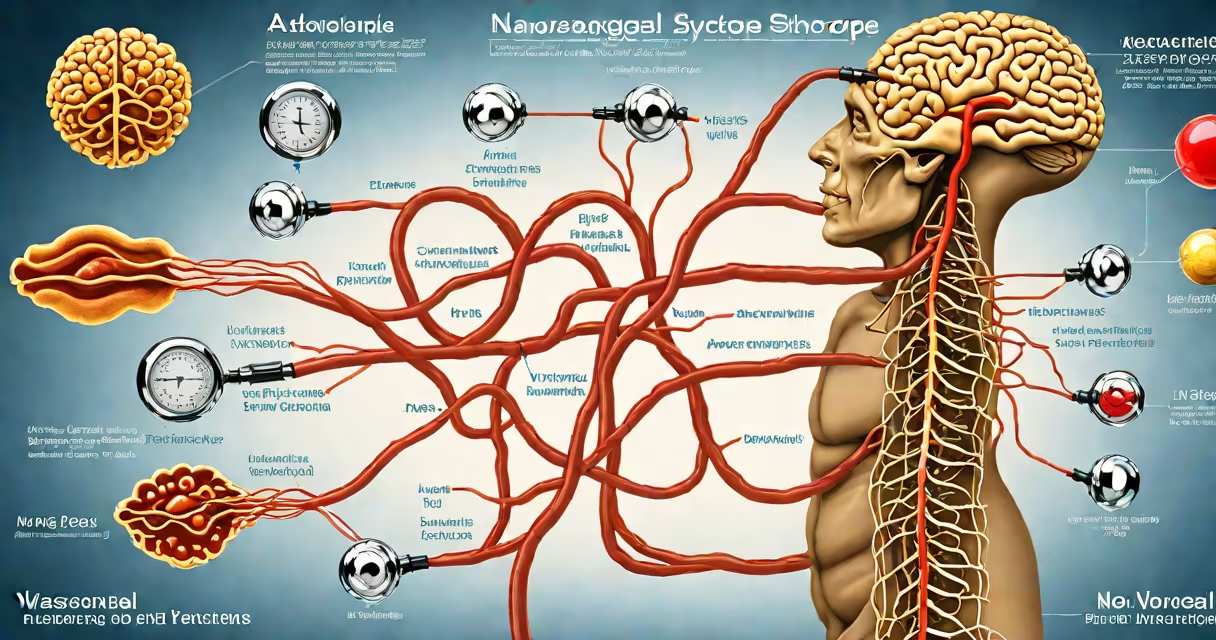
Preventing vasovagal syncope means reducing episodes of fainting caused by an overactive vagus nerve response to triggers like pain, fear, or standing still. This reflex causes sudden drops in heart rate and blood pressure, leading to loss of consciousness. Prevention focuses on identifying and avoiding triggers, improving blood volume, and strengthening autonomic regulation.
Vasovagal syncope occurs when the body's autonomic nervous system overreacts to certain stimuli. The vagus nerve, which controls heart rate and blood vessel dilation, becomes hyperactive. This leads to bradycardia (slow heart rate) and hypotension (low blood pressure), resulting in reduced blood flow to the brain. Fainting follows within seconds. The condition affects 3% of adults and up to 10% of adolescents, according to the American Heart Association.
Not all fainting is vasovagal. Cardiac arrhythmias, structural heart disease, or neurological disorders can mimic it. Misdiagnosis is common-up to 25% of people labeled "vasovagal" actually have other conditions, per a 2020 study in *Circulation*. Accurate diagnosis requires tilt-table testing or prolonged ECG monitoring to rule out serious causes.
Prevention targets the physiological cascade that leads to syncope. The goal is to stabilize blood pressure and prevent abrupt drops during posture changes or emotional stress. Interventions aim to increase venous return, improve sympathetic tone, and modulate vagal activity.
When standing, gravity pulls blood into the legs. Healthy individuals compensate by constricting blood vessels and increasing heart rate. In those prone to vasovagal syncope, this compensation fails. The vagus nerve overrides the sympathetic system, causing excessive vasodilation and bradycardia. Preventive techniques work by reinforcing the body's natural compensatory mechanisms.
A 2019 randomized trial published in *The New England Journal of Medicine* showed that patients who practiced isometric muscle contractions (e.g., squeezing fists or tensing leg muscles) during standing had a 60% lower recurrence rate compared to placebo. These maneuvers increase peripheral resistance and maintain cerebral perfusion.
Effective prevention combines lifestyle adjustments, behavioral training, and, in rare cases, medication. The most successful approaches are non-pharmacological and focus on habit formation.
| Method | How It Works | Evidence Level | Success Rate (Recurrence Reduction) |
|---|---|---|---|
| Increased fluid and salt intake | Expands plasma volume, improves venous return | Level A (RCTs) | 45-50% |
| Isometric counterpressure maneuvers | Stiffens muscles to push blood upward during standing | Level A (RCTs) | 60% |
| Physical conditioning (e.g., aerobic exercise) | Enhances baroreflex sensitivity and autonomic balance | Level B (cohort studies) | 35-40% |
| Head-up tilt training | Gradual exposure to upright posture strengthens compensatory responses | Level B (clinical trials) | 50% |
One non-obvious fact: dehydration reduces plasma volume by 10-15%, increasing syncope risk-even in healthy young adults. A 2021 study in *Journal of the American College of Cardiology* found that participants who drank 500 mL of water before standing had a 40% lower incidence of presyncope symptoms.
Another correction: compression stockings do not prevent syncope in most patients. While they improve venous return, a 2018 Cochrane review concluded that elastic compression garments provide no significant benefit in reducing syncopal episodes among otherwise healthy individuals.
Triggers vary widely but often involve prolonged standing, emotional distress, or medical procedures. The most frequent include blood draws, dental visits, and crowded public spaces.
I once observed a 17-year-old student faint during a school assembly. She had stood for 20 minutes in a hot gymnasium. Her history included two prior fainting episodes during exams. After evaluation, she was diagnosed with neurally mediated syncope. We recommended preemptive hydration, wearing supportive footwear, and performing foot-tensing exercises while standing. Over six months, she reported zero recurrences.
Other common triggers include:
Patients often mistake vasovagal syncope for epilepsy or cardiac events. A 2022 study in *Neurology* found that 30% of initial misdiagnoses were corrected after tilt-table testing. Correct identification prevents unnecessary medication and invasive procedures.
Preventing vasovagal syncope begins with recognizing red flags. Seek evaluation if fainting occurs with chest pain, palpitations, or family history of sudden cardiac death. These may indicate underlying cardiac pathology.
Recurrent episodes despite lifestyle changes warrant referral to a cardiologist or neurologist. Diagnostic tools include Holter monitors, event recorders, and tilt-table testing. The latter measures how the body responds to upright positioning under controlled conditions.
For patients with frequent or disabling episodes, medications such as fludrocortisone (which increases blood volume) or beta-blockers (to reduce heart rate variability) may be prescribed. However, these are reserved for refractory cases due to side effects like fatigue and dizziness.
Understanding the vagus nerve and vasovagal syncope is essential to effective management. The vagus nerve integrates signals from the gut, heart, and skin. When overstimulated, it can trigger a rapid drop in blood pressure. Learning to recognize early warning signs-like lightheadedness, nausea, or sweating-allows patients to take preventive action before fainting.
Preventing vasovagal syncope is not about eliminating all triggers-it's about building resilience. With consistent practice of counterpressure techniques, proper hydration, and gradual exposure to high-risk situations, many people achieve long-term freedom from episodes. The key lies in understanding the body's signals and responding proactively.