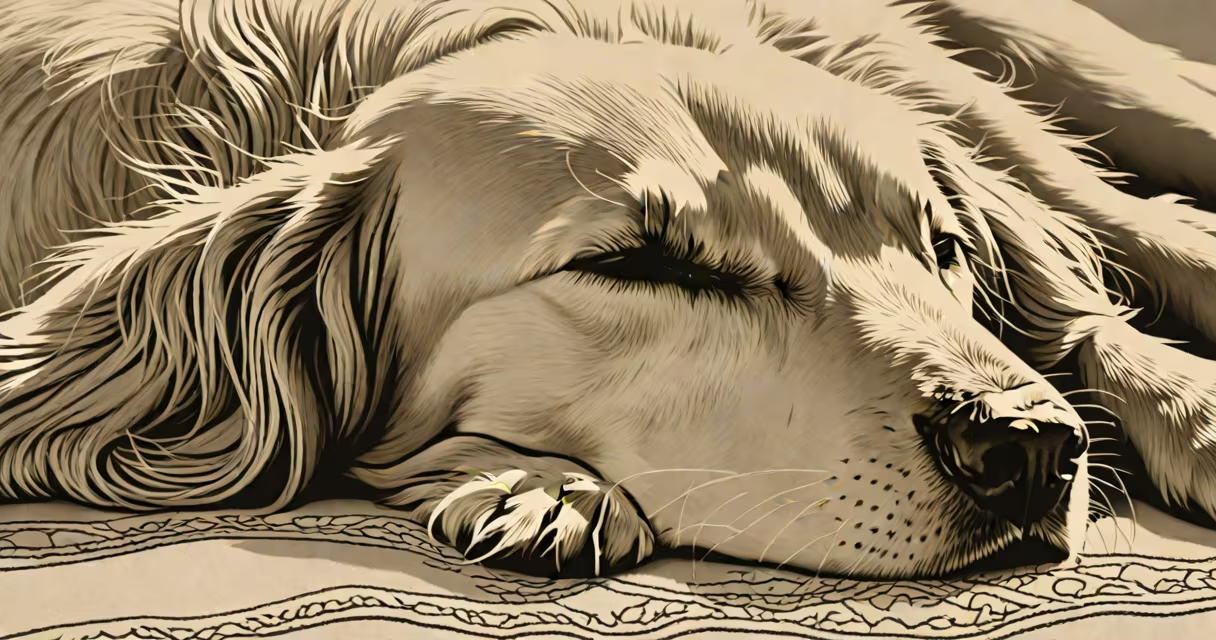
Dogs sleep 12 to 14 hours per day on average, with puppies and older dogs often exceeding 18 hours. This extended rest is driven by evolutionary adaptation, high energy demands during development, and the need for neurological recovery. Sleep supports immune function, memory consolidation, and physical repair.
Dogs are descendants of wolves, which evolved to conserve energy between hunting periods. Domestication did not eliminate this trait. Modern dogs still rely on sleep to manage energy expenditure, especially during periods of low activity. A 2021 study published in *Science Advances* found that canines have brain structures optimized for rapid eye movement (REM) sleep, which aids in processing sensory input and emotional regulation.
Energy conservation remains a core reason for prolonged sleep. Dogs burn calories at rates comparable to humans during similar activities, but they lack access to consistent food sources like wild ancestors. Extended rest reduces caloric demand. For example, a 30-pound adult dog may spend 60% of its waking hours in low-energy states such as resting or light napping, conserving fuel for bursts of running or digging.
Dogs cycle through four stages of sleep: wakefulness, light sleep, deep sleep, and REM sleep. They enter REM within 10 to 15 minutes of falling asleep-faster than humans. During REM, brain activity spikes, and dreams occur. Owners often observe twitching, paw movements, or soft vocalizations during this phase.
Deep sleep accounts for 20-30% of total sleep time. This stage is critical for tissue repair and hormone release. Growth hormone peaks during deep sleep, particularly in young dogs. Puppies require up to 18 hours of sleep daily because their nervous systems are rapidly developing. A 2020 study in *Veterinary Record* showed that puppies aged 8 weeks to 6 months spent 14.5 hours in deep sleep, compared to 8.2 hours in adult dogs.
Light sleep makes up the largest portion of the sleep cycle. Dogs remain alert enough to respond to sounds or smells but are not fully awake. This allows them to stay vigilant while resting. A dog may appear drowsy but can snap into action within seconds if startled.
| Sleep Stage | Duration in Adult Dogs | Primary Function |
|---|---|---|
| Light Sleep | 6-8 hours/day | Environmental awareness, muscle relaxation |
| Deep Sleep | 2-3 hours/day | Tissue repair, immune support, hormone regulation |
| REM Sleep | 1-2 hours/day | Memory consolidation, emotional processing |
Not all breeds sleep equally. Beagles, known for their high energy during walks, still average 13 hours of sleep daily. A 2019 study in *Frontiers in Veterinary Science* found that small breeds like Chihuahuas slept slightly longer than large breeds-14.2 vs. 12.7 hours-due to higher metabolic rates per pound of body weight.
One non-obvious fact: dogs don't sleep in long blocks. They nap frequently throughout the day. A typical dog takes 5 to 10 naps lasting 30 to 90 minutes each. This polyphasic pattern mimics ancestral behavior, allowing quick responses to threats or opportunities while minimizing exposure during vulnerable states.
Many assume that excessive sleeping indicates illness. While lethargy can signal disease, normal sleep patterns vary widely. A dog sleeping 16 hours may be healthy. The key difference lies in alertness during waking hours. A well-rested dog stands upright, responds to commands, and shows interest in food and play.
Another confusion: sleep as punishment. Some owners interpret a dog lying down as disobedience. But dogs lie down to rest, not to defy. A dog's posture reflects energy state, not attitude. A 2022 survey by the American Kennel Club found that 68% of owners misinterpreted their dog's resting position as passive-aggressive behavior.
Some confuse sleep with boredom. Dogs don't sleep because they're unstimulated. They sleep because their bodies and brains require downtime. A dog that plays fetch for 30 minutes then lies down is not disengaged-it's recovering. Physical exertion increases sleep pressure, similar to humans after exercise.
Consider a working border collie trained for herding. The dog performs intense tasks for 2 hours daily-chasing sheep, going through terrain, responding to verbal cues. Afterward, it sleeps 14 hours. This includes 2 hours of deep sleep and 1.5 hours of REM sleep. Blood tests show elevated cortisol levels during work, which drop during rest. Recovery is essential for maintaining focus and preventing injury.
During training sessions, handlers observe that dogs perform better after a 30-minute nap. A 2021 trial at the University of California, Davis, demonstrated that border collies completed 22% more tasks correctly after a 25-minute rest period. The improvement correlated with increased REM sleep duration.
When a dog sleeps excessively-more than 18 hours with reduced responsiveness-consult a veterinarian. Conditions like hypothyroidism, anemia, or chronic pain can cause fatigue. But unless accompanied by other symptoms, long sleep is normal.