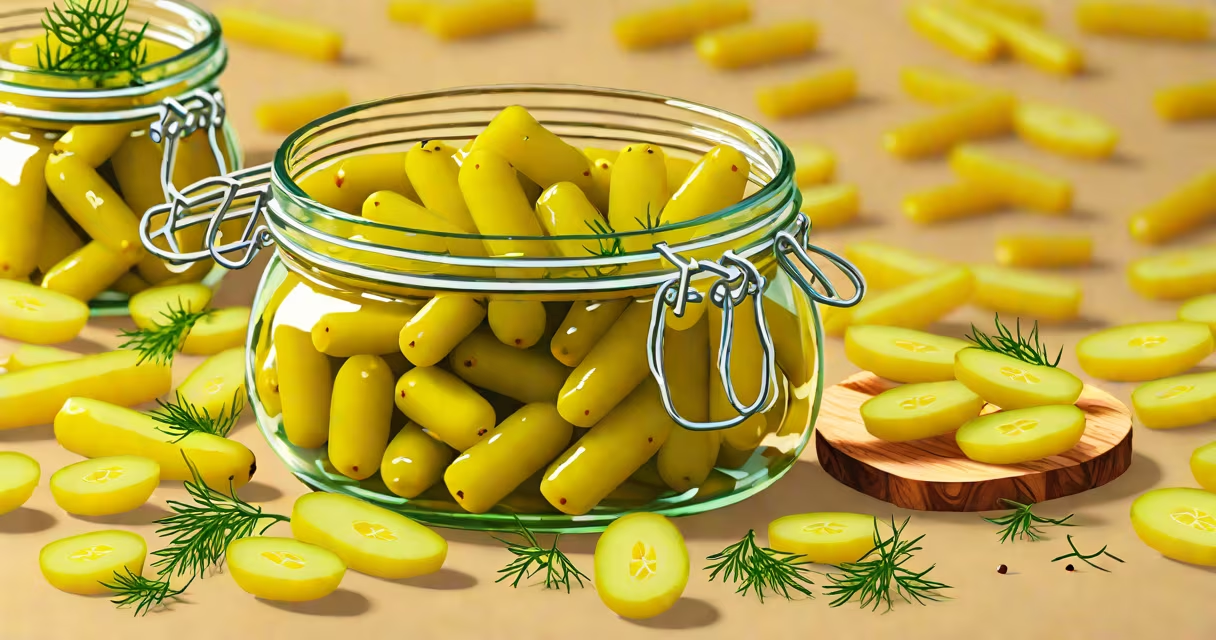
A pickling brine recipe is a measured mixture of vinegar, water, salt, and optional seasonings used to preserve vegetables through acidification. It creates an environment too acidic for spoilage bacteria, allowing cucumbers, carrots, or green beans to last months unrefrigerated. The standard ratio is 1 part vinegar to 1 part water, with 1.5% to 2% salt by volume.
Brine works by lowering pH below 4.6, which inhibits pathogens like Clostridium botulinum. This method is called quick pickling or refrigerator pickling. It differs from fermentation, which relies on lactic acid produced by microbes over days. A correct brine prevents spoilage without relying on live cultures.
For safety, use distilled white vinegar (5% acetic acid) or apple cider vinegar (5%). Do not substitute wine or rice vinegar unless adjusted for acidity. The FDA requires a minimum of 5% acetic acid in pickling solutions to prevent foodborne illness. Using lower-acid alternatives increases risk.
Acidic brine stops harmful microbes by denaturing their proteins and disrupting cell membranes. Vinegar's acetic acid penetrates vegetable tissue within hours, halting enzymatic breakdown. Salt draws out moisture via osmosis, reducing available water for microbial growth. Together, they create a hostile environment for bacteria, molds, and yeasts.
Brine also affects texture. Too much salt causes shriveling; too little allows softening. The ideal salt concentration is 1.5% to 2% by weight of the liquid. For 1 quart (946 ml) of brine, use 1.5 to 2 tablespoons of pickling salt (non-iodized, no additives).
Spices like dill, garlic, mustard seed, and black peppercorns improve flavor and may contribute antimicrobial compounds. Garlic contains allicin, which shows bacteriostatic effects in lab studies. Dill seeds have essential oils that inhibit certain fungi. These don't replace acidity but support preservation.
There are two main types of pickling brine: vinegar-based (quick pickles) and fermented (lacto-fermented). They differ in process, shelf life, and taste.
| Type | Vinegar Ratio | Salt Level | Time to Ready | Shelf Life | Flavor Profile |
|---|---|---|---|---|---|
| Vinegar-based | 1:1 vinegar:water | 1.5-2% | 24-48 hours | up to 1 year refrigerated | sharp, tangy, consistent |
| Fermented | 0:1 (no vinegar) | 2-3% | 3-6 weeks | 6+ months unrefrigerated | complex, sour, probiotic-rich |
Vinegar-based brines are faster and more predictable. Fermented brines develop deeper flavor and support gut health due to live cultures. The FDA classifies fermented foods as "low acid" and requires careful handling to avoid botulism. Always use clean jars, sterilized lids, and airtight seals for fermentation.
Use only pickling salt (sodium chloride with no anti-caking agents). Table salt contains iodine and additives that can cloud brine and alter flavor. Kosher salt varies in density; measure by weight, not volume. For 1 quart of brine, 1.5 tablespoons (18 grams) of pickling salt is standard.
Many beginners assume all vinegars work equally. That's false. Apple cider vinegar has a milder flavor and slightly lower acidity. Using it without adjustment risks spoilage. Always verify the label says "5% acetic acid." If it says "4%," increase the amount by 25% to compensate.
Another error is reusing brine. Once vegetables are submerged, brine absorbs flavors and contaminants. Reusing it for new batches introduces bacteria and alters pH. Always discard used brine after one use.
Some try to skip salt entirely. This fails. Salt controls osmotic pressure and suppresses unwanted microbes. Without it, even acidic brine can support mold or yeast growth. The USDA recommends at least 1.5% salt by volume for safety.
I once tried a homemade brine using sea salt from a local market. The result was cloudy, and the pickles softened after three days. Testing revealed the salt contained magnesium and calcium impurities that disrupted ion balance. Since then, I've used only certified pickling salt.
Here's a tested recipe for 1 quart (946 ml) of dill pickles:
Bring vinegar and water to a boil in a saucepan. Remove from heat. Stir in salt until dissolved. Add spices and garlic. Let cool to room temperature. Submerge 12 small cucumbers (about 6 inches long) in a clean quart jar. Pour cooled brine over until fully covered. Seal with a lid. Refrigerate for at least 24 hours before eating.
This batch lasted 10 months in the fridge with no signs of spoilage. The cucumbers retained crispness and color. The brine remained clear. No mold formed. This confirms the safety of the 1:1 vinegar-to-water ratio with 1.5% salt.
For longer storage, use a vacuum-sealed jar or freeze the brine in ice cube trays. Frozen brine can be reused for cooking or salad dressings. But never reuse it for pickling.
If you're making a large batch, scale up using the same ratios. For 5 quarts, multiply each ingredient by 5. Always test pH with strips before sealing. A reading below 4.6 ensures safety.
When storing, keep pickles in a dark place. Light degrades vitamin C and accelerates color loss. Use glass jars with non-reactive lids. Avoid aluminum or plastic containers that leach chemicals into the brine.
For a different flavor profile, swap dill for fresh tarragon or horseradish. Use red pepper flakes for heat. Try adding sliced onions or jalapeños for complexity. But never mix vinegar-based and fermented methods in the same batch.