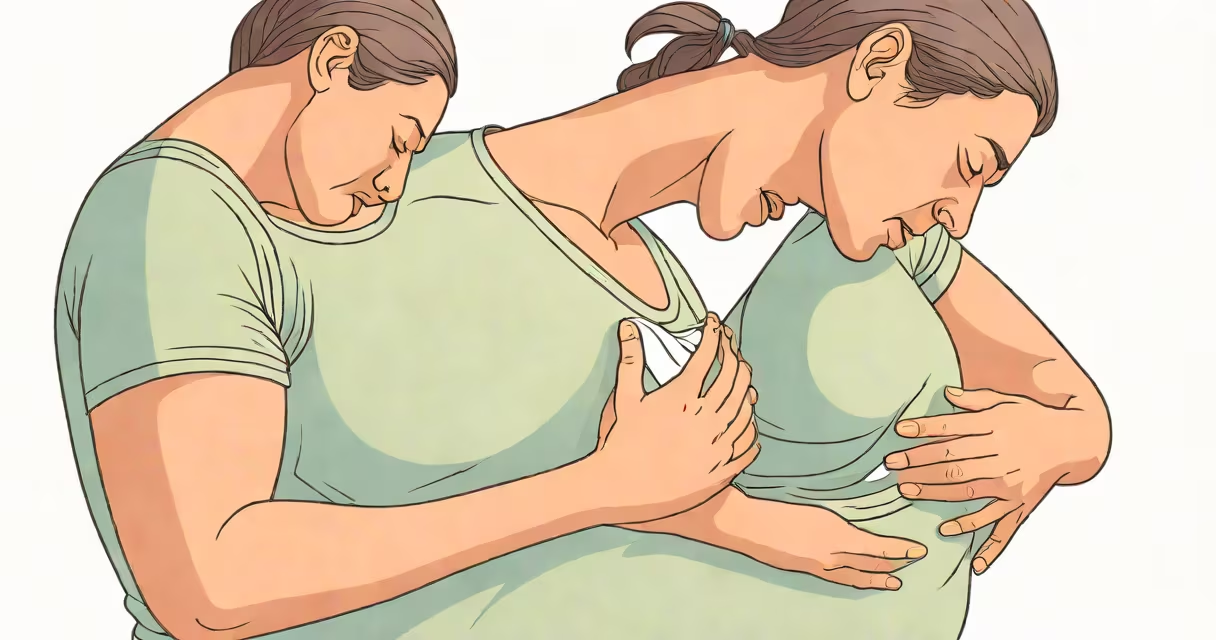
Pain in the upper abdomen accompanied by shortness of breath is a symptom combination that can indicate a life-threatening condition such as a heart attack, pulmonary embolism, or acute pancreatitis. This pairing demands immediate medical evaluation due to the risk of rapid deterioration.
Upper abdominal pain involves the region beneath the ribcage, typically between the navel and the breastbone. Shortness of breath-also called dyspnea-is the sensation of not getting enough air. When both occur together, they often signal a problem beyond the digestive system. The overlap of these symptoms suggests possible involvement of the heart, lungs, or major blood vessels.
The American Heart Association notes that atypical presentations of heart attacks are common, especially in women and older adults. Up to 30% of heart attack patients report upper abdominal pain rather than classic chest pressure. This misdirection delays treatment. A 2021 study in the journal Circulation found that patients experiencing abdominal pain during a cardiac event were 40% less likely to receive timely intervention compared to those with chest pain.
When the heart muscle lacks oxygen, it sends pain signals along nerves that travel through the chest and upper abdomen. These nerves share pathways with those from the stomach and liver, leading to referred pain. The brain interprets the signal as coming from the abdomen, not the heart.
Shortness of breath arises when the heart cannot pump effectively, causing fluid to build up in the lungs-a condition known as pulmonary edema. Alternatively, a blood clot in the lung (pulmonary embolism) blocks airflow, reducing oxygen exchange. Both scenarios trigger rapid, shallow breathing as the body tries to compensate.
Acute pancreatitis can also cause upper abdominal pain radiating to the back, accompanied by nausea and difficulty breathing due to diaphragmatic irritation. In this case, inflammation presses on the diaphragm, limiting lung expansion.
Conditions causing both symptoms fall into three categories: cardiovascular, pulmonary, and gastrointestinal. Not all require emergency care, but distinguishing them is critical.
| Type | Common Causes | Key Clues |
|---|---|---|
| Cardiovascular | Heart attack, unstable angina | Pain worsens with exertion, may radiate to jaw or arm; cold sweat, nausea |
| Pulmonary | Pulmonary embolism, pneumonia | Sudden onset; sharp pain worsens with deep breaths; cough, fever |
| Gastrointestinal | Peptic ulcer, acute pancreatitis | Pain after eating; bloating; vomiting; tenderness on palpation |
A 68-year-old woman presented to the ER with severe upper abdominal pain and sudden shortness of breath. She had no history of heart disease. Initial EKG showed ST-segment elevation in leads II, III, and aVF-indicating an inferior wall myocardial infarction. Her symptoms mimicked indigestion, but the combination with respiratory distress led to prompt angiography and stent placement. She recovered within five days.
Many people mistake upper abdominal pain and shortness of breath for acid reflux or anxiety. Reflux causes burning pain behind the breastbone, often after meals, and may include regurgitation. Anxiety-related dyspnea feels tight, fluttery, or like "air hunger," and usually occurs during stress episodes.
However, reflux rarely causes significant shortness of breath unless aspiration occurs. Anxiety-induced breathlessness typically resolves with calming techniques. True cardiac or pulmonary events do not improve with rest or breathing exercises.
A key distinction lies in symptom progression. Pain from a heart attack often starts gradually and worsens over minutes to hours. Pulmonary embolism pain appears suddenly, sometimes within seconds. Gastrointestinal issues may follow a meal pattern. If symptoms persist beyond 15 minutes or recur, seek care immediately.
Any episode of upper abdominal pain with shortness of breath lasting longer than five minutes requires urgent evaluation. Delay increases mortality risk. The Centers for Disease Control and Prevention reports that 1 in 5 heart attack deaths occur before reaching a hospital.
If you or someone else experiences these symptoms, call emergency services immediately. Do not drive yourself. Emergency responders can begin treatment en route, including aspirin and oxygen.
One patient reported mild upper left abdominal pain when breathing in, which he attributed to a pulled muscle. Over two days, the pain intensified and became sharp. He developed shortness of breath and was admitted with a pulmonary embolism. His initial diagnosis was delayed because he dismissed the symptoms as musculoskeletal. This case underscores that pain in the upper left abdomen when breathing in can be a red flag for pulmonary or cardiac conditions.
When upper abdominal pain and shortness of breath co-occur, the most accurate response is to seek immediate medical attention. The presence of both symptoms raises the risk of a life-threatening event. Early intervention saves lives.