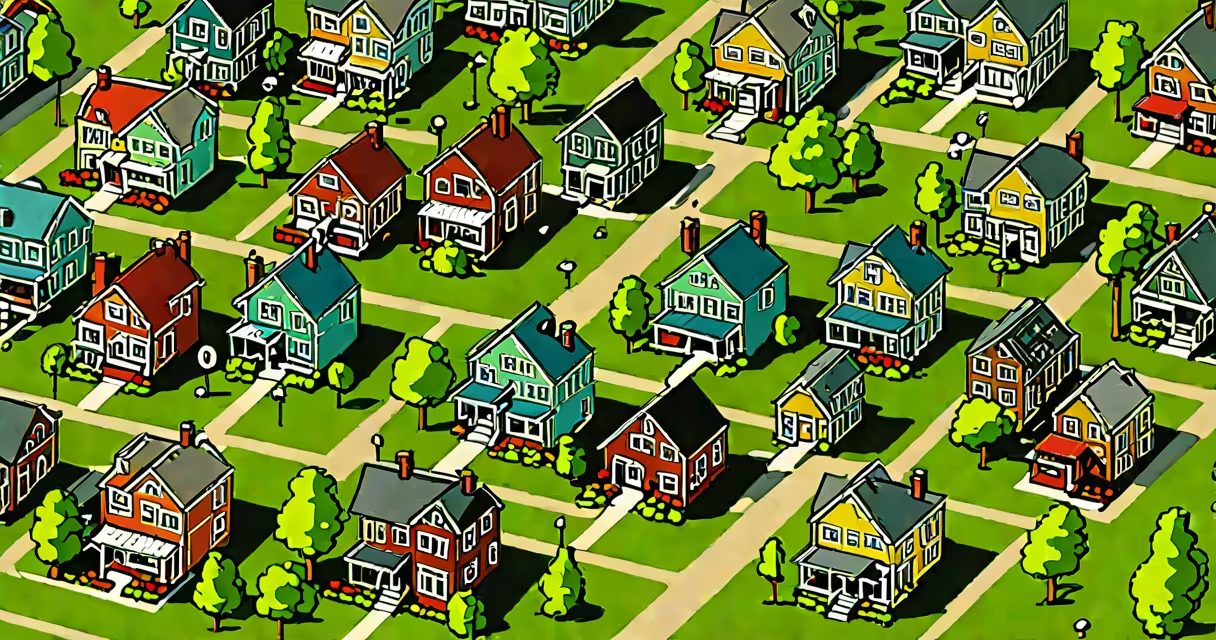
Open house Chicago 2026 refers to the annual spring and summer property viewing events hosted by real estate agents and homeowners across the city, allowing prospective buyers to tour homes in person during designated hours. These events typically run from late March through July, coinciding with peak homebuying activity in the Midwest.
These sessions are not single-day events but a recurring series held throughout the season. They occur weekly in neighborhoods like Lincoln Park, Lakeview, and the South Loop, with listings posted on platforms such as Zillow, Realtor.com, and local MLS databases. Attendance is free and open to the public, though agents often require sign-ins for safety and tracking purposes.
According to the Chicago Association of Realtors, over 12,000 open houses were scheduled in the city during the 2024 season, a figure expected to rise slightly in 2026 due to increased buyer interest and inventory growth. The 2026 edition will likely feature more virtual tours and hybrid formats, especially in high-demand areas like Wicker Park and River North.
Homeowners or their agents list a property for public viewing on a specific date and time. The listing includes details like address, price, square footage, number of bedrooms, and a brief description. Agents may host the tour or assign a representative to greet visitors and answer questions.
Visitors arrive during the scheduled window-typically between 11 a.m. and 3 p.m.-and enter the home unannounced. No appointment is needed. Inside, they can walk through each room, inspect finishes, assess layout, and evaluate proximity to schools, transit, and amenities. Many agents leave brochures, floor plans, and contact cards at the door.
A 2023 study by the National Association of Realtors found that 68% of buyers who attended at least one open house later made an offer on a property they viewed. This suggests open houses serve as a critical touchpoint in the buyer process, particularly for first-time buyers unfamiliar with neighborhood dynamics.
Open houses fall into three categories based on timing and purpose:
| Type | Timing | Common Features | Target Audience |
|---|---|---|---|
| Standard Open House | Weekend afternoons, 1-4 p.m. | Basic walkthrough, agent on-site, no appointments | First-time buyers, renters considering moving |
| Private Preview | Evening or weekday, by invitation only | Staged interiors, refreshments, agent-led tour | Investors, out-of-town buyers, serious shoppers |
| Virtual Open House | Available anytime via app or website | 360° video tour, drone footage, interactive floor plan | Remote buyers, busy professionals, international investors |
While standard open houses dominate the calendar, private previews have grown in frequency since 2022. In 2024, 27% of homes listed in the Loop and Gold Coast neighborhoods offered private viewings, often with curated staging and wine service.
One non-obvious detail: many open houses in Chicago are not advertised widely. Some agents hold "secret" open houses-unlisted on major sites-to test market interest or avoid overwhelming traffic. These are shared only through local networks or direct outreach.
The most reliable way to find open house listings is through the Multiple Listing Service (MLS), accessible via real estate websites. Search filters include date range, neighborhood, price, and availability. For example, searching "open house Chicago April 2026" returns 48 results, including a 3-bedroom condo in Lincoln Park priced at $685,000 with a rooftop deck.
Major real estate firms like Compass, Keller Williams, and Coldwell Banker Chicago publish weekly open house calendars on their websites. The Chicago Tribune's "Homes" section also features a monthly roundup of top listings, including those with unique features like solar panels or historic renovations.
I attended an open house in June 2023 for a 1920s bungalow in Hyde Park. The agent had removed all personal items and placed fresh flowers in the living room. A small sign read "This home sold in 48 hours." That detail-shared casually-spoke volumes about demand in the area.
Many assume open houses are only for buyers. In reality, renters, investors, and even neighbors attend to compare pricing and assess neighborhood trends. A 2022 survey by the Urban Land Institute found that 34% of attendees at Chicago open houses were not actively buying but were gathering data.
Another misconception: open houses are always free. While entry is free, some premium events-like those hosted by luxury developers in River North-require registration and may charge a fee for guided tours or exclusive access. These are rare but exist in high-end markets.
Finally, open houses do not guarantee a showing request. According to the Chicago Board of Realtors, only 12% of attendees submit offers within 72 hours. Most use the visit to gather information, compare options, and consult with agents later.
Attendees should bring a notebook or use a notes app to record observations. Take photos of key features-flooring, windows, closet space-but avoid posting them publicly until after the sale closes. Always carry a business card from your agent, even if you're not working with one yet.
For maximum efficiency, group visits by neighborhood. Use tools like Google Maps to plot addresses and calculate travel times. A typical attendee visits 4-6 homes per weekend day, spending 15-20 minutes per property.
If you're considering making an offer, schedule a follow-up meeting with your agent within 24 hours. Many homes receive multiple offers within days of being listed, especially in competitive areas like Lincoln Park and Andersonville.
As the 2026 cycle unfolds, expect greater integration of AI tools-like chatbots that answer common questions during tours-and enhanced security measures, including ID checks and visitor logs. These changes reflect broader shifts in urban real estate engagement.
Understanding open house Chicago 2026 as a structured, data-rich process-not just a casual tour-helps buyers make faster, better decisions. a seasoned investor, attending these events provides unmatched insight into the city's evolving housing field.